Rice Shortage in Japan Causes Scarcity
Hard to Find Rice on Supermarket Shelves
As Japan faces a rice shortage, an analysis suggests that the lack of rice, which was abundant on shelves around this time last year, is partly due to the impact of 'tourists.'
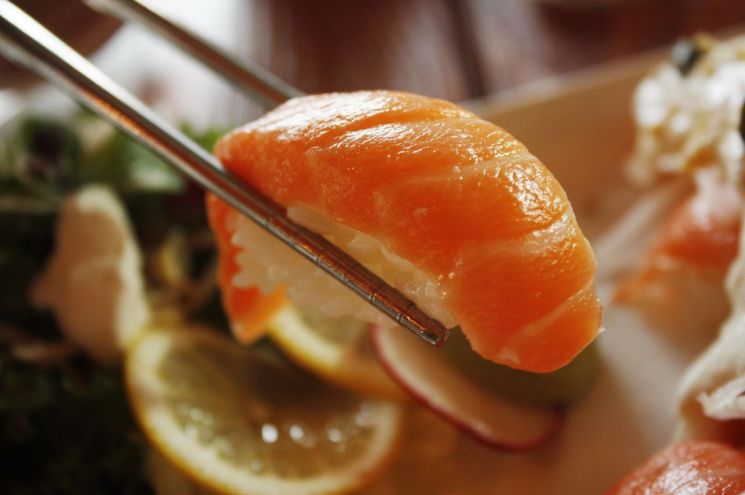
On the 24th (local time), the U.S. economic media CNBC reported that Japan is experiencing a rice shortage for the first time in decades. According to Japan's Ministry of Agriculture, Forestry and Fisheries, private rice stocks in Japan stood at 1.56 million tons in June, the lowest level since 1999. As a result, rice shortages frequently occurred in supermarkets and marts last month, and even the limited stock that arrived was subject to purchase restrictions. The U.S. Department of Agriculture stated in a report released last week, "Rice demand in Japan has outpaced production over the past three years, causing rice stocks to fall to their lowest level in 20 years," adding, "Supermarkets have been struggling with empty shelves due to rice shortages throughout this summer."
Last month, the price of rice based on 60kg in Japan was 16,133 yen (approximately 150,000 KRW), marking a 3% increase from the previous month and a 5% rise since the beginning of the year. Japan's public broadcaster NHK analyzed that the rise in rice prices is due to a surge in tourists visiting Japan this year, which increased demand for rice-based dishes. Oscar Chakra, a senior analyst at Rabobank, a global food and agriculture bank, estimated that rice consumption by tourists in Japan was 19,000 tons from July 2022 to June 2023, but increased about 2.7 times to 51,000 tons from July 2023 to June 2024.
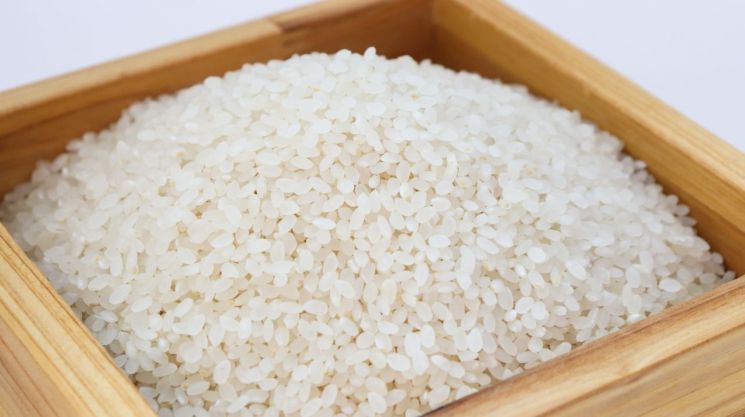
In the first half of this year, 17.8 million tourists visited Japan, surpassing pre-COVID-19 pandemic levels. According to Japanese tourism statistics, 3.3 million tourists visited in July, setting a record high. Other factors contributing to the sharp rise in rice prices include adverse weather and abnormal climate conditions, as well as rice hoarding triggered by the issuance of a Nankai Trough earthquake advisory.
Meanwhile, last year's rice production was 6.61 million tons, falling short of the Ministry of Agriculture, Forestry and Fisheries' forecasted appropriate production volume of 6.69 million tons. Joseph Glauber, senior researcher at the International Food Policy Research Institute, pointed out that Japan's policy of not importing rice to protect domestic farmers is a major factor in the reduced rice supply. Senior researcher Glauber stated, "Japan's rice economy remains largely isolated from the global market."
In fact, Japan is known to impose a 778% tariff on imported rice to protect its domestic farmers. Japan has committed to importing at least about 682,000 tons of rice annually under the World Trade Organization (WTO) agreements, but most of the imported rice is not consumed by consumers and is instead used for livestock feed and processing. Rabobank also reported that Japan's rice exports increased sixfold from 2014 to 2022, reaching nearly 30,000 tons.
Meanwhile, as rice prices soar, related crimes are also increasing. On the 23rd, in the Joetsu region of Niigata Prefecture, a major rice-producing area in Japan, a man in his 60s who was producing rice had 90 kg of brown rice stolen from a hut. The stolen rice was the Koshihikari variety, harvested recently, and was still in the hut as of the evening of the 9th.
© The Asia Business Daily(www.asiae.co.kr). All rights reserved.


















