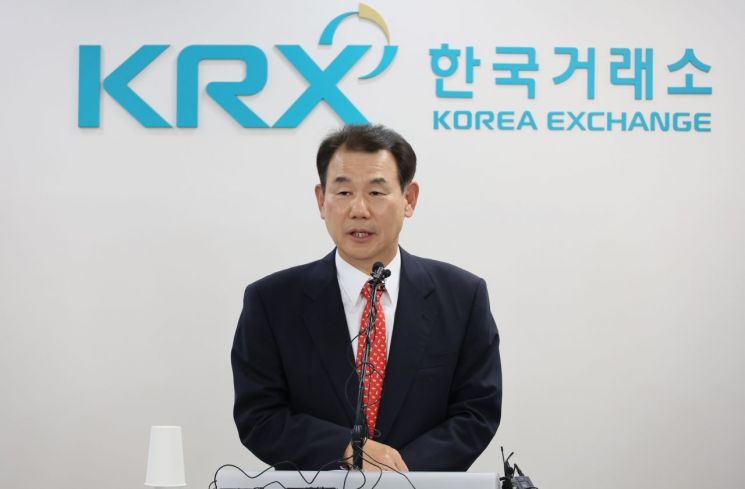
With the release of the 'Korea Value-Up Index,' an analysis has emerged suggesting that the success of corporate value-up programs depends on the participation of listed companies.
On the 25th, Kim Yoon-jung, a researcher at LS Securities, stated, "It is necessary to verify the future performance of the value-up index exchange-traded fund (ETF) launch and whether corporate participation improves following the implementation of incentives for outstanding value-up companies."

So far, corporate participation in the value-up program has been somewhat lukewarm. This is because only 12 companies had disclosed plans to enhance corporate value before the value-up index was released. Even when combined with companies that announced plans in advance (25 companies), the total is only 37.
The market is paying attention to the revision of the Stewardship Code (guidelines for institutional investors' voting rights) currently under review by the Korea ESG Standards Institute (formerly Korea Corporate Governance Service). Earlier, in March, the Korea ESG Standards Institute presented grounds for trustees to monitor and participate in the value-up activities of investee companies through the revision of the Stewardship Code guidelines.
Researcher Kim emphasized, "Although the Stewardship Code guidelines themselves do not have legal enforceability, they are important because they can have practical binding power, such as influencing the selection policies of pension fund asset managers in the future."
© The Asia Business Daily(www.asiae.co.kr). All rights reserved.
![Clutching a Stolen Dior Bag, Saying "I Hate Being Poor but Real"... The Grotesque Con of a "Human Knockoff" [Slate]](https://cwcontent.asiae.co.kr/asiaresize/183/2026021902243444107_1771435474.jpg)

















