The research team led by Professor Jeon Sangeun from the Department of Materials Science and Metallurgical Engineering at Kyungpook National University announced on the 23rd that they have developed an anode material technology for lithium-ion batteries that can achieve 80% charging within 12 minutes.
Currently, commercially available graphite anodes have the risk of explosion or fire due to lithium plating and dendrite formation during fast charging. Additionally, rapid charging and discharging cause electrode deformation, which significantly shortens battery lifespan. Therefore, there is an urgent need to develop alternative anode materials that ensure safety and long lifespan even in fast-charging environments.
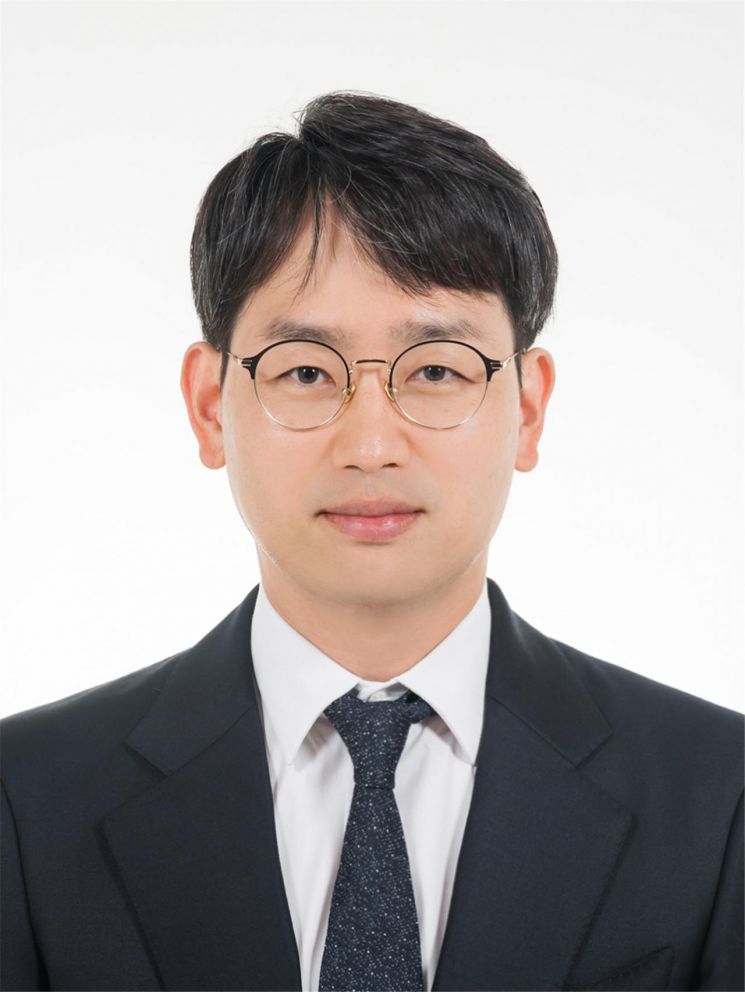
Professor Jeon's team proposed a new solution using titanium dioxide (TiO2), a highly safe compound. Conventional TiO2 anode materials have low ionic conductivity and limited capacity. To address this, the team designed a hollow spherical TiO2 anode material and developed a simple synthesis technique that controls the mixing ratio of nano-sized TiO2 particles and spherical carbon particles, thereby adjusting the thickness of the hollow TiO2 structure.
Through this approach, the research team was able to thinly control the thickness of the hollow TiO2 structure, dramatically improving the slow diffusion of lithium ions and demonstrating the potential for ultra-fast charging. In battery charge-discharge experiments, they confirmed the performance of charging 80% of the capacity within 12 minutes, and computer simulations also proved that lithium ions move efficiently within the hollow structure.
Professor Jeon Sangeun stated, "The hollow spherical TiO2 anode material developed this time is a safe material that enables ultra-fast charging by efficiently improving the movement of lithium ions. If this technology is commercialized, it is expected that there will no longer be a need to wait tens of minutes to charge electric vehicles."
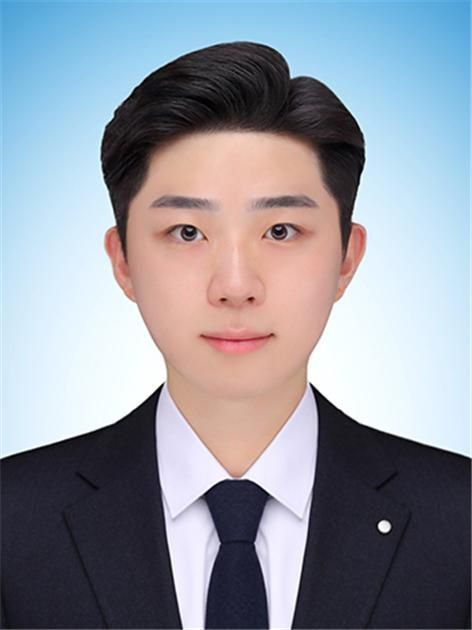
The corresponding author of this research is Professor Jeon Sangeun, and the first author is Hyun Changwan, a master's student in the same department. The research results were published in the August 10 issue of 'Composites Part B: Engineering,' a journal ranked in the top 0.3% of JCR (Impact factor 12.7).
© The Asia Business Daily(www.asiae.co.kr). All rights reserved.


















