Utilized for Research Purposes on Polar Bear Carcasses
A polar bear appeared in Iceland and was shot dead while rummaging through residential garbage bins, the British daily The Guardian reported on the 20th (local time).
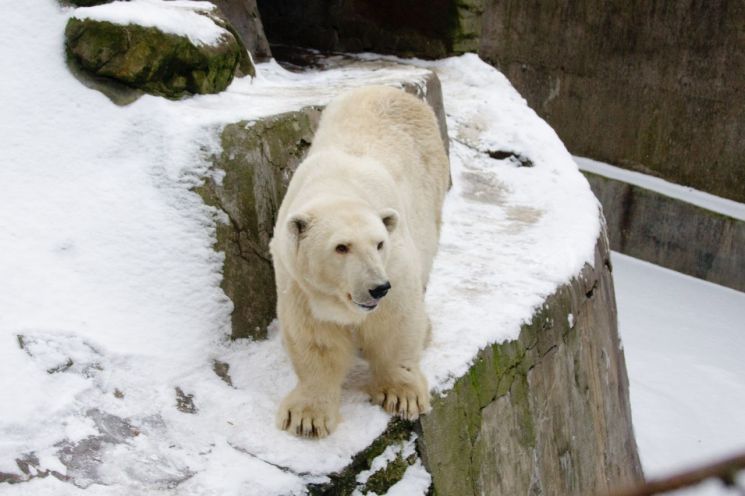
On the 19th, a young polar bear weighing about 150 to 200 kg was shot dead by police in a village in the Westfjords of Iceland. The police considered it a 'threat' after consulting with the Environmental Agency. The polar bear was near a private residence used as a summer cottage at the time. While the polar bear was rummaging through the trash outside the house, an elderly woman inside was terrified, locked the door, and hid.
After deploying a coast guard helicopter for additional searches, no other polar bears were found. The polar bear carcass is planned to be used for research purposes.
Due to climate change, the activity of polar bears in polar environments is changing. Experts analyze that this is because there are an unusually large number of drifting icebergs. The bears ride on sea ice and come to human settlements. As sea ice habitats decrease, starving polar bears reaching human settlements could pose dangers to both humans and polar bears.
Currently, about 20,000 to 25,000 polar bears live worldwide. Polar bears are the largest species among bears, with males generally weighing between 272 and 544 kg, sometimes exceeding 771 kg, and reaching up to 3 meters in length. In the United States, polar bears were designated as endangered species under the Endangered Species Act in 2008 and are protected under the Marine Mammal Protection Act. Both laws prohibit harming polar bears without approval except when necessary for human safety.
According to a 2017 study published by the nonprofit organization The Wildlife Society, reports of polar bears attacking people are extremely rare. From 1870 to 2014, there were 73 incidents of polar bears attacking people across five polar bear habitats (the United States, Canada, Greenland, Norway, Russia), resulting in 20 deaths and 63 injuries. The Guardian reported that this is the first sighting of a polar bear in Iceland in eight years since 2016.
© The Asia Business Daily(www.asiae.co.kr). All rights reserved.

















