Effective for Investigations on Telegram, Applied to Crimes Against Children and Adolescents
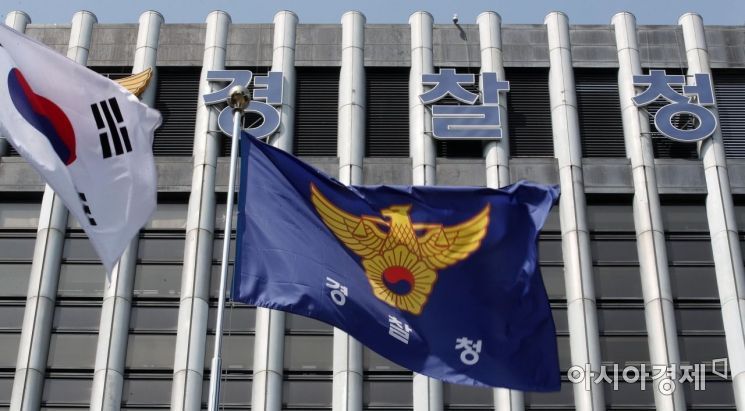
The National Police Agency announced on the 23rd that since the implementation of undercover investigations under the Act on the Protection of Children and Juveniles from Sexual Abuse (Youth Sexual Protection Act), a total of 515 cases have been investigated, and 1,415 individuals (94 detained) have been apprehended.
By type of crime, the sale and distribution of child and juvenile sexual exploitation materials accounted for the largest number with 400 cases (77.7%). This was followed by the production and mediation of child and juvenile sexual exploitation materials with 66 cases (12.8%), and conversations for the purpose of sexual exploitation with 21 cases (4.1%).
By number of arrests, those involved in the sale and distribution of child and juvenile sexual exploitation materials accounted for a significant portion with 1,030 individuals (72.8%). Additionally, in cases involving possession and viewing of child and juvenile sexual exploitation materials, 169 suspects (11.9%) were apprehended. As of the end of August this year, the number of undercover investigations increased by 5.7% compared to the same period last year, and the number of arrests rose by 18.7%.
Undercover investigations under the current Youth Sexual Protection Act have been in effect since September 24, 2021. They are divided into covert identity investigations, where police officers do not reveal or deny their identity to collect evidence and materials, and disguised identity investigations, where officers use documents, drawings, electronic records, etc., to disguise themselves as non-police personnel to collect evidence and materials. This method is evaluated as an effective investigative technique for collecting evidence and identifying or apprehending suspects in crimes using platforms such as Telegram.
To prevent abuse of the undercover investigation system, covert identity investigations require prior approval from the head of the investigative department of a higher police agency, and related materials must be submitted semiannually to the National Assembly and the National Police Commission. Disguised identity investigations can only be initiated upon request by the prosecution and approval by the court.
The police strictly manage the selection and training process of undercover investigators to enhance the professionalism of undercover investigations. In April, new undercover investigators were selected and trained, and at least one undercover investigator was assigned to each of the cyber sexual violence investigation teams and women and youth investigation teams in the 18 metropolitan and provincial police agencies.
A National Police Agency official stated, “As digital sexual crimes using secure messengers and other methods become increasingly sophisticated, we will actively take the lead in eradicating digital sexual crimes through the activation of undercover investigations.”
© The Asia Business Daily(www.asiae.co.kr). All rights reserved.
![Clutching a Stolen Dior Bag, Saying "I Hate Being Poor but Real"... The Grotesque Con of a "Human Knockoff" [Slate]](https://cwcontent.asiae.co.kr/asiaresize/183/2026021902243444107_1771435474.jpg)
















