Short iron tee low, long iron tee high
Low in headwind, high in tailwind
Insert on flat ground, use tee box according to shot shape
Hold ball and tee in one hand and tee stylishly
The start of golf begins with teeing up.
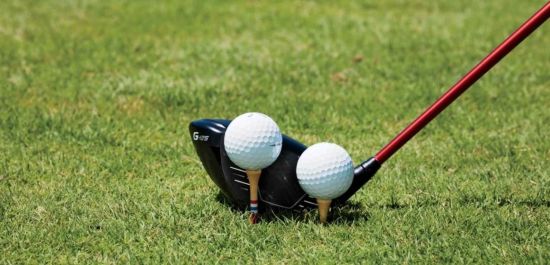
On the teeing ground, after placing the tee, you put the ball on it and take a shot. Amateur golfers should remember one thing: you need to approach teeing up carefully and strategically. This is a teeing-up know-how that can help reduce your strokes. First, consider the tee height. Weekend golfers often tee the ball at the same height on par 3 holes regardless of the iron used. However, adjusting the tee height can make it easier to hit the ball. Tour players also make subtle adjustments to tee height depending on the loft of the iron and the length of the shaft.
The tee height is adjusted according to short irons and long irons. When using short irons, from the 7-iron to the 9-iron, the tee is placed close to the ground. This allows for precise contact with the ball, helping it settle on the green. It also helps generate backspin. On the other hand, when using long irons, from the 3-iron to the 5-iron, the tee is placed slightly higher than with short irons. This is to achieve more precise contact.
Amateur golfers often mishit tee shots with long irons, usually hitting the ground behind the ball. To prevent this, the tee should be raised. Long irons are not easy clubs to handle even for tour players. For irons, if the ball is struck above the sweet spot, the distance increases. By teeing higher, even if you mishit, you can reduce the loss of distance.
Golf is a battle with nature. There are many variables. When the wind blows strongly, adjust the tee height. When facing a strong headwind, tee the ball slightly lower than usual. This lowers the trajectory and minimizes the wind’s effect. Do not finish the swing fully. Also, move the ball position to the right when facing a headwind and swing. Amateur golfers should practice teeing lower or hitting knockdown shots regularly. This is a way to reduce mishits in real play. Conversely, when there is a tailwind, tee the ball slightly higher. Use the wind to secure sufficient distance.
The teeing ground is not flat. There are subtle slopes. You need to observe carefully. When teeing, choose as flat a spot as possible. Tee shots on slopes can cause hooks or slices. Use the tee box according to your shot shape. Golfers whose shots tend to go left should use the left side of the teeing ground, and those whose shots tend to curve right should use the right side.
Golf is a sport of ‘form.’ You should tee up stylishly. Golf beginners (golini, golf + children) are busy on the teeing ground. They are often flustered from the moment they tee up. Sometimes you see them crouching and restless because they don’t know how to tee properly. Players hold the ball and tee together in their right hand. The left hand supports the club. The right foot acts as a support while the right hand gently tees the ball. The first step for an enjoyable play is complete. Now you can enjoy the round with confident shots.
© The Asia Business Daily(www.asiae.co.kr). All rights reserved.
![From Bar Hostess to Organ Seller to High Society... The Grotesque Con of a "Human Counterfeit" [Slate]](https://cwcontent.asiae.co.kr/asiaresize/183/2026021902243444107_1771435474.jpg)
















