"National Anthem Also Broadcast Together... Has Great Significance"
Reported Through Voice of America (VOA) Broadcast
August 15, 1945. In Korea, it is remembered as 'Gwangbok' (Liberation), and in Japan, as the day Emperor Sh?wa delivered his 'unconditional surrender' speech. However, it has been revealed that about four hours before the Emperor's surrender speech, the news of the surrender was first conveyed in Korean through a Voice of America (VOA) broadcast.
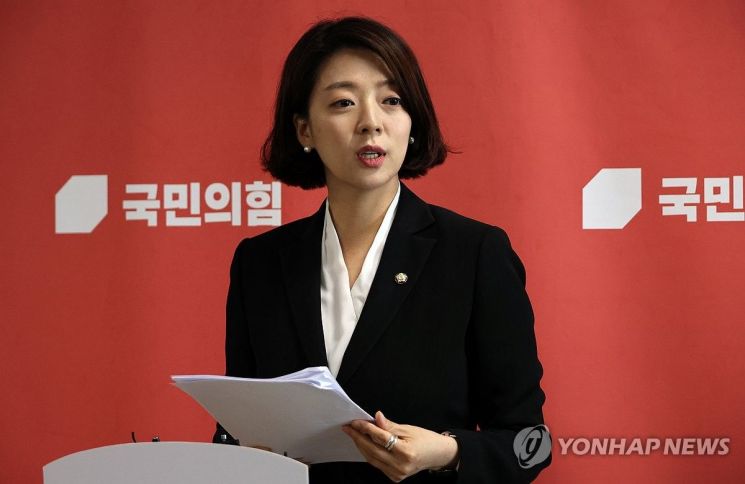
On the 18th, Bae Hyun-jin, a member of the National Assembly's Culture, Sports and Tourism Committee from the People Power Party, released a broadcast file uploaded on the U.S. National Archives website. This broadcast file is a voice recording from VOA at the time of liberation, announcing Japan's surrender in English, Chinese, and other languages. The file also included Korean.
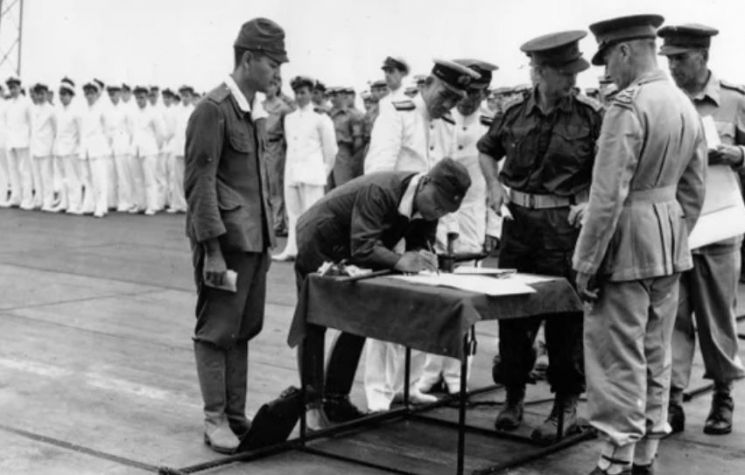
In the Korean broadcast at the time, former National Assembly Vice Speaker Hwang Seong-su said, "Fellow Koreans in Joseon, Japan has unconditionally surrendered. President Truman said that he ordered the Allied forces to cease all operations." The second verse of the Korean national anthem was also included in the broadcast.
Rep. Bae stated that after researching the authenticity of the file with curators from the National Museum of Korean Contemporary History, it was confirmed to be from 1945. The National Museum of Korean Contemporary History plans to proceed with the formal transfer of the material to Korea in consultation with the U.S. government, possibly within this year.
Rep. Bae commented, "It is significant that materials clearly conveying Japan's surrender in Korean have been uncovered," adding, "The fact that the national anthem was broadcast together also holds great meaning."
Meanwhile, VOA is a U.S. government-funded international broadcaster that transmits worldwide. Its first broadcast was in German on February 1, 1942, during the height of World War II.
It is reported that some people in the Korean Peninsula, then under Japanese colonial rule, secretly listened to VOA broadcasts. Especially after Japan's preemptive attack on the U.S. triggered the Pacific War, the Japanese Governor-General's Office banned listening to foreign shortwave broadcasts. VOA played an important role in delivering updates on the war and Japan's defeat in English and Korean.
© The Asia Business Daily(www.asiae.co.kr). All rights reserved.
![User Who Sold Erroneously Deposited Bitcoins to Repay Debt and Fund Entertainment... What Did the Supreme Court Decide in 2021? [Legal Issue Check]](https://cwcontent.asiae.co.kr/asiaresize/183/2026020910431234020_1770601391.png)

















