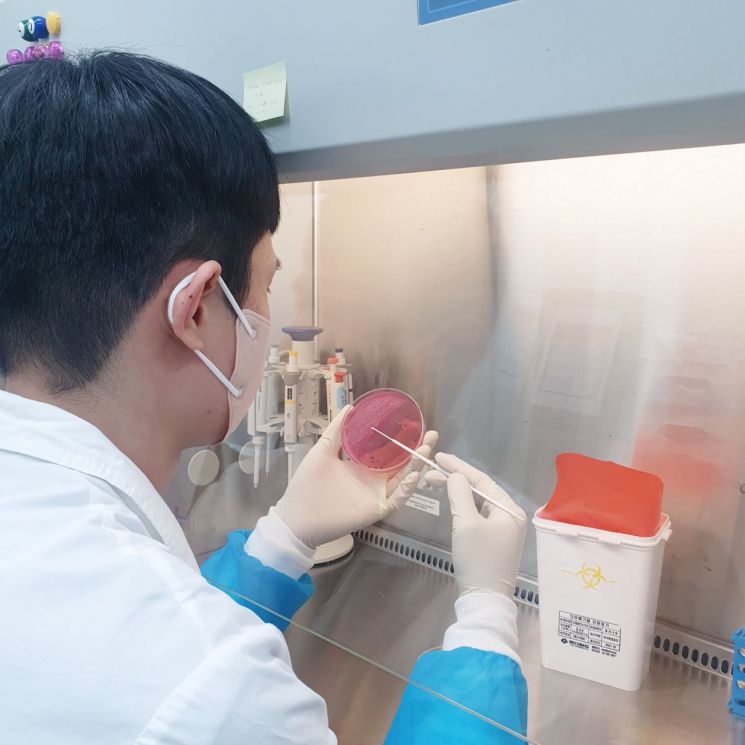
The Gyeonggi-do Institute of Health and Environment has urged caution against bacterial food poisoning ahead of the Chuseok holiday, when many people gather.
The institute announced on the 16th that an analysis of group food poisoning incidents in the province over the past three years, from 2022 to the end of August this year, showed that bacterial food poisoning mainly occurred in summer and autumn, while viral food poisoning was more common in spring and winter.
Looking at the three-year seasonal averages, bacterial food poisoning cases occurred in the order of summer 12 cases (42%), autumn 9 cases (29%), spring 5 cases (18%), and winter 3 cases (10%). Viral food poisoning cases were reported in the order of winter 24 cases (42%), spring 21 cases (37%), summer 7 cases (13%), and autumn 5 cases (8%).
Representative bacteria causing bacterial food poisoning include Salmonella and Escherichia coli, while viral food poisoning is caused by norovirus and rotavirus, among others.
Food poisoning mainly occurs in places where many people gather, such as restaurants, daycare centers, kindergartens, and schools, and tends to spread through group infections. Therefore, it is important to maintain strict personal hygiene and avoid contact with infected individuals.
This spring, group food poisoning caused by norovirus occurred most frequently, with 25 cases. In summer, pathogenic Escherichia coli and norovirus were each reported 5 times, followed by Salmonella with 2 cases.
A representative from the Gyeonggi-do Institute of Health and Environment stated, "The average temperature has been rising every year, and the late summer heat continues as we approach Chuseok in September. Since bacterial food poisoning is more likely to occur at higher temperatures, it is important to practice personal hygiene and adhere to proper food storage temperatures to prevent it."
© The Asia Business Daily(www.asiae.co.kr). All rights reserved.
![User Who Sold Erroneously Deposited Bitcoins to Repay Debt and Fund Entertainment... What Did the Supreme Court Decide in 2021? [Legal Issue Check]](https://cwcontent.asiae.co.kr/asiaresize/183/2026020910431234020_1770601391.png)















