Low Marriage Rates and Regional Imbalance Policy
"Trying to Solve Women's Future with Pocket Change" Criticism
Japan's total fertility rate last year hit a record low of 1.2, and although the Japanese government had planned to pay up to 600,000 yen (about 5.6 million won) to urban women who marry rural men, the plan was scrapped amid strong opposition.
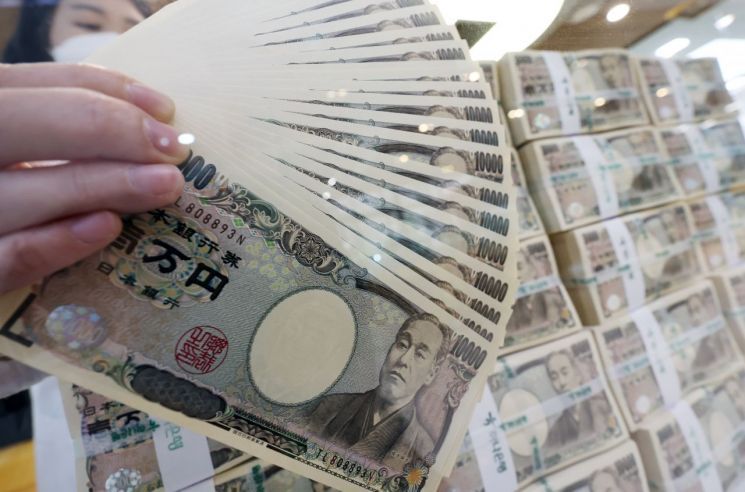
On the 12th, Hong Kong's South China Morning Post (SCMP) reported on the Japanese government's policy to address the country's low marriage rate and regional imbalances. The government announced a plan to pay 600,000 yen (about 5.6 million won) in cash to urban women who marry rural men in an effort to solve the problems of urban overcrowding and declining birth rates.
As cities became overcrowded, rural areas faced a relative shortage of labor, an increase in vacant houses, and many schools and hospitals had to close due to population decline. According to Japan's 2023 population migration report, about 68,000 more people moved into Tokyo than left for other regions, with more than half of them being women. Analysts suggest that an increasing number of women are moving to Tokyo for better higher education and employment opportunities. In response to this trend, to balance population and economic development, the Japanese government proposed providing incentives to unmarried women living or working in Tokyo's 23 wards who leave Tokyo to marry men in rural areas.
When this plan became known, it sparked strong criticism across Japan. Netizens expressed anger on social media platforms, saying things like, "Girls just wanted to leave backward areas and come to Tokyo for a better life, but the government wants them to return," "This is a misuse of taxpayers' money," and "Are they trying to solve women's futures with pocket change?" In response to such backlash, the Japanese government announced it would suspend the plan.
Meanwhile, the number of couples who married in Japan last year was less than 500,000, marking the lowest number of marriages in 90 years. According to the 2023 "Population Dynamics Summary" released by the Ministry of Health, Labour and Welfare, the total fertility rate, which indicates the average number of children a woman has in her lifetime, was 1.20?the lowest since statistics began in 1947. Notably, this marked the eighth consecutive year of decline since 2016. By region, Tokyo's fertility rate was 0.99, the lowest nationwide. Additionally, the three major metropolitan prefectures?Saitama, Chiba, and Kanagawa?each had fertility rates around 1.1, reflecting low birth rates in urban areas.
© The Asia Business Daily(www.asiae.co.kr). All rights reserved.

















