Ban on Selling Mooncakes Over 100,000 Won
Crackdown on Bundling with Tea and Wine, and Luxury Packaging
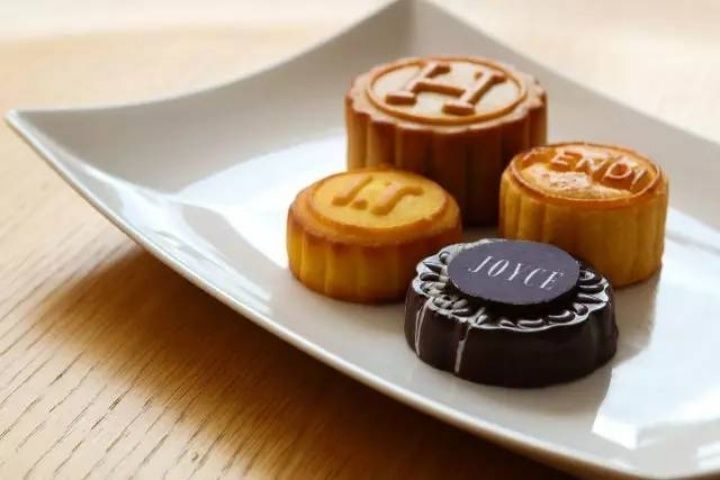
Chinese authorities are intensifying price controls on 'Wolbyeong,' the traditional Chuseok pastry. Market supervision officials have been dispatched to measure not only prices but also packaging and weight, causing high-priced Wolbyeong to disappear from the market. This move is interpreted as an effort to prevent expensive Wolbyeong priced above 500 yuan (approximately 94,000 KRW) from being used as bribes in the government's anti-corruption campaign. Meanwhile, some point out that apart from the crackdown on high-priced Wolbyeong, the worsening economic downturn in China is leading to a decline in Wolbyeong consumption overall.
China State Administration for Market Regulation strengthens inspections at department stores and supermarkets... "Ban on sales of high-priced Wolbyeong"
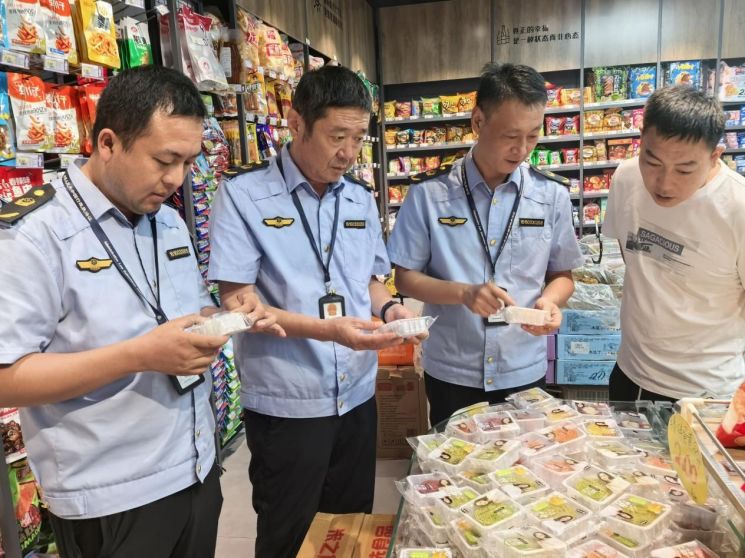 On the 3rd, market supervisors are inspecting the price, packaging, and weight of Mid-Autumn Festival mooncakes at a supermarket in Henan Province, China. [Image source=State Administration for Market Regulation of China]
According to Xinhua News Agency, since early this month, the China State Administration for Market Regulation has dispatched staff from regional market supervision bureaus nationwide to department stores and large supermarkets to crack down on Chuseok Wolbyeong products. The Chinese government has strictly prohibited the sale of Wolbyeong priced above 500 yuan since 2022 as part of its anti-corruption efforts. However, rumors have circulated that some online shopping malls still sell high-priced Wolbyeong exceeding 500 to 1,000 yuan, prompting intensified supervision.
Wolbyeong is a traditional food for the Mid-Autumn Festival, known as Jungchujeol in China. Since the 2010s, various luxury Wolbyeong have emerged, sparking social controversy. These range from Wolbyeong adorned with gold leaf or containing premium ingredients like shark fin to those packaged in luxury handbags or jewelry boxes, costing tens of millions of Korean won. Such high-priced Wolbyeong have sometimes been used as bribes among high-ranking officials.
To curb the negative effects of these expensive Wolbyeong, the market supervision bureau inspects everything from the ingredients, weight, and content of Wolbyeong produced in factories to their packaging. Wolbyeong packaging must not exceed three layers, and the use of expensive packaging materials mixed with gold leaf or other precious metals is subject to penalties. The practice of selling Wolbyeong bundled with luxury handbags, premium tea, or wine is also completely banned.
More challenging economic conditions than usual... The Mid-Autumn Festival sales boom disappears
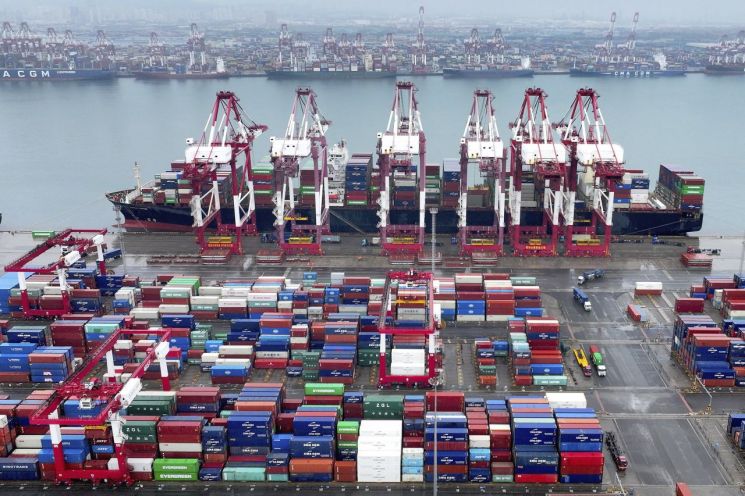
While the intensified crackdown on high-priced Wolbyeong by Chinese authorities plays a role, the difficult economic environment has made consumers reluctant to open their wallets, resulting in poor sales not only of high-priced but also low-priced Wolbyeong. The economic downturn in China is spreading, causing the traditionally lucrative Mid-Autumn Festival consumption to shrink.
Earlier, the China Association of Bakery and Confectionery Industry (CABCI) forecasted that this year's Wolbyeong production would be 300,000 tons, with sales amounting to 20 billion yuan (approximately 3.8 trillion KRW), both down from the previous year. Last year, China's Wolbyeong production was 320,000 tons, and sales reached 22 billion yuan, with this year expected to see about a 10% decrease.
With macroeconomic indicators continuously signaling red, China's private consumption is struggling to recover. According to the National Bureau of Statistics of China, last month, China's manufacturing Purchasing Managers' Index (PMI) recorded 49.1, the lowest since February this year, falling short of the market expectation of 49.5. China's manufacturing PMI has remained below the contraction threshold of 50 for four consecutive months. The consumer price index (CPI) inflation rate in August was also 0.6%, failing to exceed 1% for 18 consecutive months since recording 1.0% in February last year.
© The Asia Business Daily(www.asiae.co.kr). All rights reserved.



















