World Kimchi Research Institute Identifies Correlation Between Kimchi and Reduction of Women's Triglycerides and Total Cholesterol
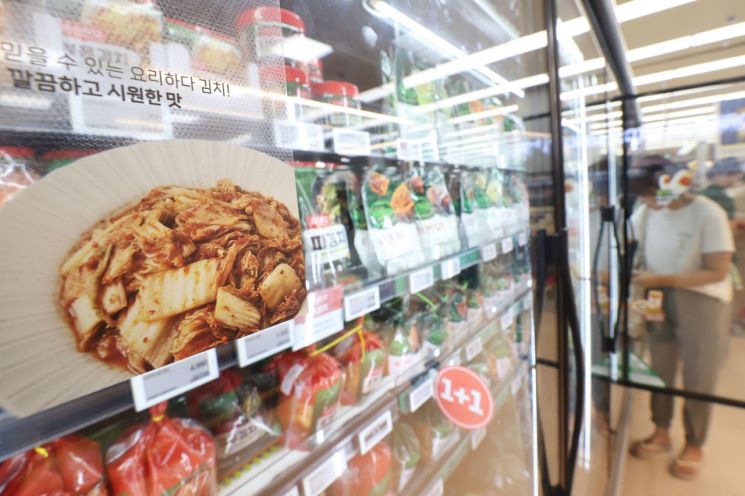
A study has found that Kimchi is effective in improving 'dyslipidemia,' the world's leading cause of death.
The World Kimchi Research Institute (Director Jang Hae-chun), a government-funded research institute under the Ministry of Science and ICT, announced on the 9th that it revealed the correlation between kimchi consumption and improvement indicators in dyslipidemia patients through cohort analysis based on Korean nutrition surveys.
Dyslipidemia refers to an abnormal increase in blood lipid levels such as cholesterol and triglycerides. According to data investigated by the Health Insurance Review and Assessment Service, the number of dyslipidemia patients increased by 38.4% in just five years, from 2.19 million in 2019 to 3.04 million in 2023. In particular, during the hot summer months, excessive sweating leads to dehydration, which promotes blood clot formation, causing myocardial infarction and stroke.
The research team led by Dr. Hong Sung-wook of the Kimchi Functionality Research Division at the World Kimchi Research Institute, in collaboration with Professor Shin Sang-ah's team at Chung-Ang University, verified the anti-dyslipidemia effects of kimchi through large-scale cohort nutritional epidemiological analysis.
Using data from the Korean Genome and Epidemiology Study (KoGES) urban cohort, the team analyzed the correlation between kimchi consumption and changes in dyslipidemia indicators over nine years (2004?2012) in a total of 61,761 adults aged 40 to 69.
As a result, women who consumed napa cabbage kimchi 2 to 3 times daily (50g per serving) showed a correlation with decreased levels of triglycerides (3.372 mg/dL), low-density lipoprotein cholesterol (1.155 mg/dL), and total cholesterol (1.6 mg/dL) compared to those who consumed less than once per serving. In men, there was a correlation with increased levels of high-density lipoprotein cholesterol (0.469 mg/dL), which is considered the "good" cholesterol.
Jang Hae-chun, Director of the World Kimchi Research Institute, stated, "This study is the first to confirm the anti-dyslipidemia effects of kimchi consumption on the human body through large-scale epidemiological data." He added, "We plan to promote clinical trial research in collaboration with domestic and international researchers in related fields, and scientifically prove that kimchi has anti-dyslipidemia efficacy not only for Koreans but also for foreigners, thereby widely promoting the excellence of kimchi worldwide."
© The Asia Business Daily(www.asiae.co.kr). All rights reserved.

















