Incorporation of International Standards IFRS S1, S2 and Korean Disclosure Draft
Renewable Energy Usage Up 460% in 2 Years... "Speeding Towards '2050 Net Zero'"
LG proactively published its ESG report last year ahead of the mandatory domestic and international Environmental, Social, and Governance (ESG) disclosure requirements. It emphasized that it is accelerating efforts to achieve '2050 Net Zero,' with four subsidiaries in electronics, chemicals, and telecommunications reducing carbon emissions by approximately 1.5 million tons over two years.
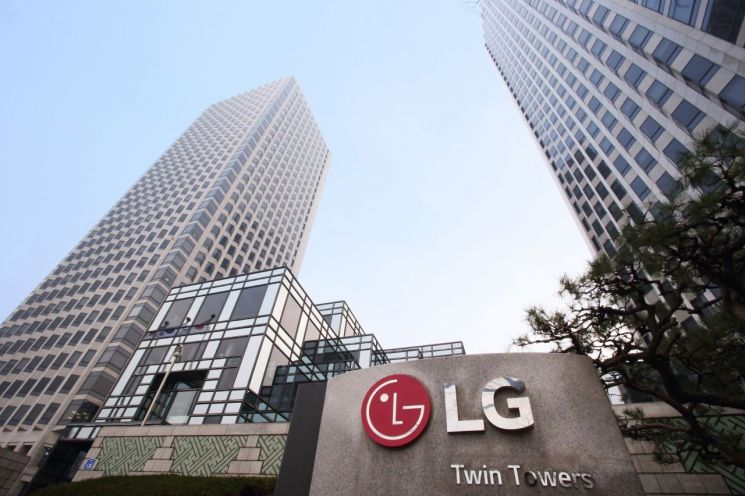
On the 5th, LG announced the publication of the '2023 ESG Report.' The report includes last year's sustainability management achievements and future plans. It was prepared reflecting the International Sustainability Standards Board (ISSB) IFRS S1 (General Requirements), S2 (Climate-related Disclosures), and the draft ESG disclosure standards from the Korea Accounting Standards Board Sustainability Standards Board (KSSB).
In the report, LG designated three categories?Climate Change (E), Safety and Health (S), and Compliance Management (G)?as 'key sustainability-related information' and conducted focused analysis. The target companies include LG and five subsidiaries (LG CNS, D&O, LG Management Development Institute, LG Sports, LG Holdings Japan, totaling six companies). In the climate change section, four subsidiaries accounting for about 70% of LG Group's carbon emissions (LG Electronics, LG Chem, LG Uplus, LG CNS) were primarily addressed.
LG treated the impact of climate change on its business as a core topic. It analyzed physical, transitional, and risk factors related to climate change by short-, medium-, and long-term periods. Physical factors refer to climate-related disasters such as heatwaves and floods. Transitional factors include policy, legal, and technological elements such as carbon regulations, electricity price increases, and RE100 (Renewable Energy 100% transition campaign) implementation. The short-term goal is set until next year, the medium-term goal until 2030, and the long-term goal until 2050.
Based on these criteria, LG plans to enhance risk factor management measures and actively promote businesses that comply with the government's designated 'green economic activities.' These businesses include secondary batteries, electric vehicles, heating, ventilation, and air conditioning (HVAC), high-efficiency heat pumps, carbon capture and utilization technologies, and waste decomposition-related businesses.
Last year, four companies?LG Electronics, LG Chem, LG Uplus, and LG CNS?reduced carbon emissions by approximately 580,000 tons compared to the previous year. The use of renewable energy increased by about 77%. Compared to two years ago (2021), carbon emissions decreased by about 1.5 million tons, and renewable energy usage increased by approximately 460%.
In the safety and health sector, LG plans to establish and strengthen a mid- to long-term improvement roadmap to eliminate facility and equipment risk factors, enhance safety and health management systems, and strengthen safety and health management capabilities of partner companies.
The compliance management governance structure is also outlined in the report. It manages the compliance system of the entire organization and employees through the board of directors and the ESG committee. Recently, LG operated 'LG Compliance Week,' providing educational programs that employees can easily participate in and distributed compliance management manuals.
LG disclosed ESG activity performance and data for the recent three years (2021?2023). Through annual ESG report publications and disclosures on its website, LG plans to strengthen communication with internal and external stakeholders such as customers, shareholders, and employees, and enhance transparency in ESG information disclosure.
© The Asia Business Daily(www.asiae.co.kr). All rights reserved.

















