"Same Acne Medicine Can Differ by 50,000 Won"
'Medical Tourism' and Illegal Secondhand Trading
Need to Expand Price Reporting System for Pharmaceuticals
As the prices of non-reimbursable drugs, such as acne and hair loss medications, which consumers mainly seek, vary significantly by region, cases of 'medical tourism' to purchase drugs in cheaper areas are emerging. In some communities, the practice of reselling drugs bought in bulk through secondhand transactions is even thriving, raising calls for urgent establishment of related regulations.
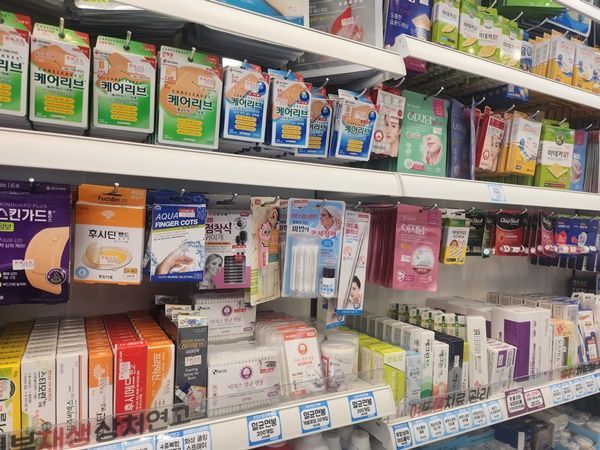
According to a comprehensive report by Asia Economy on the 5th, the price of 'Isotretinoin (acne treatment)', a representative non-reimbursable drug sold at 10 pharmacies in areas such as Jung-gu and Jongno-gu in Seoul, and Anyang and Uiwang in Gyeonggi Province, was found to range from 22,000 to 27,000 KRW for a one-month prescription (30 pills), with a difference of up to about 200 KRW per pill.
Another non-reimbursable drug, 'Dutasteride (hair loss treatment)', was priced between 29,000 and 38,000 KRW for a one-month prescription, showing a difference of up to about 300 KRW per pill. When prescribed for more than three months at once for regular intake, the price difference for the same drug can reach nearly 30,000 KRW.
Currently, non-reimbursable drugs excluded from health insurance coverage are paid for by consumers at prices independently set by each pharmacy. The problem is that there are no price notification regulations for non-reimbursable drugs, so consumers have no way to compare prices across pharmacies. Since March this year, the 'Mandatory Reporting System for Prices of Non-Reimbursable Medical Services', previously applied to hospital-level institutions, has been expanded to local clinics, but non-reimbursable drugs are not included in this system.
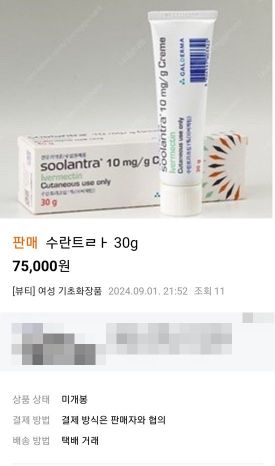 Non-insurance dermatology drugs are being traded on a second-hand trading site. [Photo by Online Site Capture]
As a result, some consumers turn to illegal secondhand transactions or direct overseas purchases to buy drugs more cheaply. In fact, a quick look at a secondhand trading community revealed numerous posts buying and selling representative non-reimbursable drugs such as Surantra, Isotretinoin, and Viagra.
Lee (26), living in Seongbuk-gu, Seoul, said, "I regularly get prescribed Surantra for folliculitis on my skin, but the price is so high that I buy cheaper ones posted on secondhand trading communities or go on 'medical tourism' to pharmacies known for lower prices." He added, "There can be a price difference of nearly 50,000 KRW, and I feel it’s unfair to pay so much for the same drug, so I think it’s worth the effort to shop around."
Experts pointed out that the current price reporting system for non-reimbursable medical services should be expanded to include non-reimbursable drugs and that information should be disclosed to consumers.
Professor Lee Ju-yeol, a professor of Health Administration at Namseoul University and director of the Green Consumer Network, said, "Prices of non-reimbursable drugs vary greatly by region due to factors such as differences in monthly rent and pharmaceutical companies lowering unit prices when drugs are purchased in bulk at once." He advised, "The mandatory price reporting system currently applied to non-reimbursable medical services should be expanded to non-reimbursable drugs, and the Health Insurance Review & Assessment Service should collect this data and provide information on its website so consumers can refer to appropriate prices."
© The Asia Business Daily(www.asiae.co.kr). All rights reserved.

















