Intel, experiencing the most difficult period in its 56-year history, is reportedly considering splitting its foundry (semiconductor contract manufacturing) business, Bloomberg reported on the 29th (local time).
According to sources, Intel has entered discussions with Morgan Stanley and Goldman Sachs to overcome its management crisis. Various options are being reviewed, ranging from separating the company's foundry division and product design division to deciding which factories to shut down. The sources added that these investment banks are also advising Intel on potential mergers and acquisitions (M&A).
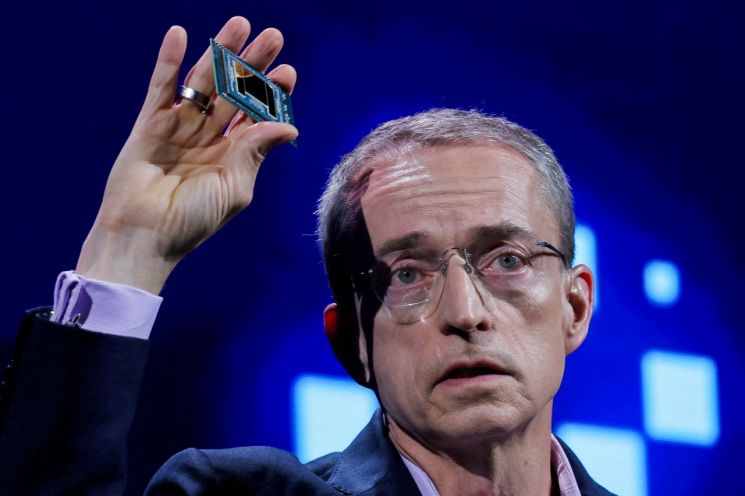
Intel is regarded as facing its greatest crisis since its founding in 1968. Once dominating the semiconductor industry with CPU design during the desktop era, Intel has fallen behind competitors by being a step late in entering new businesses such as artificial intelligence (AI). Intel's revenue for the second quarter (April to June) was $12.83 billion, a 1% decrease compared to the previous year, but net income of $1.48 billion during the same period turned into a net loss of $1.61 billion. Intel's stock price has also plummeted 60% this year, remaining at its lowest level since 2013.
To make matters worse, even Lip Bu Tan, the director hired as a savior to revive Intel's foundry business, recently resigned, creating a gap in the business strategy. Locally, it has been pointed out that Intel's characteristic risk-averse and bureaucratic organizational culture drove out industry veterans. Earlier, Intel CEO Pat Gelsinger announced a plan to cut 15% of the workforce following the Q2 earnings shock, and it is reported that Tan clashed with the company by insisting that middle managers neglecting technology development efforts should be included in the layoff list.
At the Deutsche Bank IT Conference that day, CEO Gelsinger told investors, "It has been a difficult few weeks," expressing regret that although the company tried to present a clear vision through its earnings announcement, the market did not respond positively.
Bloomberg stated, "In 2021, Intel's revenue was three times that of Nvidia, but this year Nvidia is expected to surpass Intel's revenue by two times. Intel has now fallen out of the world's top 10 chip manufacturers," adding, "Gelsinger has little time left to achieve the turnaround Intel desperately needs." It further noted, "The success of Gelsinger's comeback plan depends on splitting Intel into design and manufacturing divisions," but "the foundry business may face financial difficulties until it secures additional external customers."
© The Asia Business Daily(www.asiae.co.kr). All rights reserved.

















