The prosecution has appealed the first trial verdict that sentenced an accomplice in the so-called 'Seoul National University Deepfake' (Seoul National University Nth Room) case to five years in prison.
On the 30th, the 4th Trial Division of the Seoul Central District Prosecutors' Office (Chief Prosecutor Kim Eun-mi) announced that it filed an appeal that day seeking a harsher sentence for defendant Park Mo (28), who habitually produced and distributed false videos related to the so-called 'Seoul National University Nth Room' case.
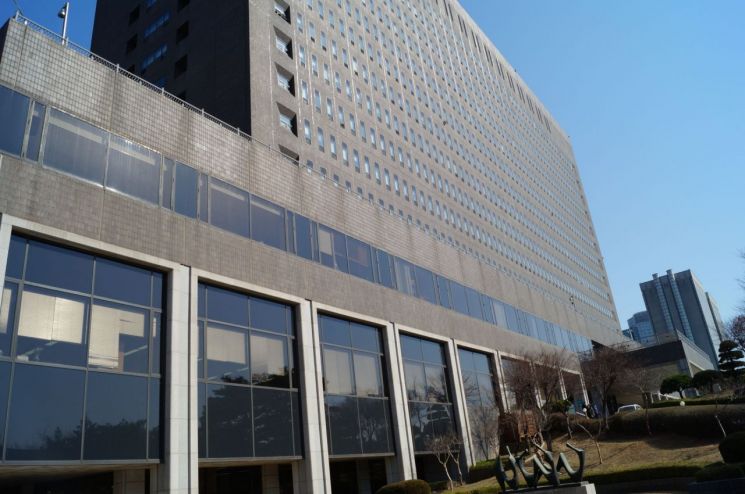
The prosecution stated the reasons for the appeal, citing that this case involves ▲ the habitual production and active distribution of false videos targeting multiple victims, making the matter serious ▲ digital sex crimes are crimes of social character assassination ▲ the sentence handed down (five years in prison) is excessively lenient compared to the prosecution's demand (ten years in prison), making it difficult to view the punishment as commensurate with the gravity of the crime, and therefore a harsher sentence is necessary.
The day before, Prosecutor General Lee Won-seok held a video conference with digital sex crime-specialized prosecutors from district prosecutors' offices nationwide, instructing, "Digital sex crimes are crimes of social character assassination, so respond swiftly and strictly to prevent their spread," and ordered all district prosecutors' offices to "strictly respond to digital sex crimes such as the production and distribution of false videos, and make every effort to delete false videos and protect and support victims."
In particular, Prosecutor General Lee emphasized that during the trial phase, the actual extent of harm caused by the distribution of false videos should be mandatorily applied as an aggravating factor in sentencing and reflected in the prosecution's demand. He also stressed that if the verdict falls short of the prosecution's opinion, active responses such as appeals should be pursued, and instructed to actively consider appealing in the case of Park.
The Supreme Prosecutors' Office plans to strengthen specialized investigative capabilities by expanding the number of 'digital sex crime-specialized prosecutors' currently designated in 18 prosecutors' offices to 31, and to establish a rapid cooperation system with the police to respond more proactively to digital sex crimes.
The Seoul National University Deepfake case involves the main perpetrators, Park Mo (40, detained and indicted) and Kang Mo (31, detained and indicted), both graduates of Seoul National University, who synthesized and distributed dozens of photos of female alumni and others into obscene materials via Telegram. It is also known as the 'Seoul National University Nth Room' case.
Four people, including another Seoul National University graduate Han Mo, were indicted in connection with this case, and all are being tried at the Seoul Central District Court.
Accomplice Park was indicted last May on charges of habitually producing over 400 false videos and distributing over 1,700 from July 2020 to April this year.
Although not a Seoul National University graduate, he contacted the main perpetrator Park via online messenger and was investigated to have jointly created and distributed obscene materials targeting dozens of women.
On the previous day, Judge Kim Yu-rang of the 14th Criminal Division of the Seoul Central District Court sentenced accomplice Park, who was detained and indicted on charges of editing and distributing false videos under the Sexual Violence Punishment Act, to five years in prison.
The court also ordered Park to complete a 40-hour sexual violence treatment program, to undergo public notification and disclosure via information and communication networks for five years, and to be barred from employment at facilities related to children, adolescents, and persons with disabilities for five years.
The court pointed out, "The content of the false videos is so disgusting that it is difficult for ordinary people to even speak of it," and stated, "Exploiting anonymity and convenience, the videos are used as tools for stress relief without feeling shame or embarrassment, annihilating the victim's dignity, thus requiring severe punishment."
It continued, "It is impossible to comprehend the sexual humiliation victims feel when the everyday act of posting on social media (SNS) to leave records is manipulated into a criminal act."
The court found all charges against Park to be guilty and noted that the heaviest sentence for habitual editing and distribution of false videos (seven years and six months in prison) could be increased by half the term as a concurrent offense aggravation, adding three years and nine months, allowing a maximum sentence of eleven years and three months. The prosecution had previously sought a ten-year sentence considering these factors.
However, applying the Supreme Court sentencing guidelines significantly lowers the recommended maximum sentence for Park to six years, five months, and fifteen days. Considering unfavorable circumstances for Park, the court emphasized the need for severe punishment but also took into account that Park reached partial settlements with some victims and had no prior criminal record, and thus determined the sentence accordingly.
© The Asia Business Daily(www.asiae.co.kr). All rights reserved.
!["The Woman Who Threw Herself into the Water Clutching a Stolen Dior Bag"...A Grotesque Success Story That Shakes the Korean Psyche [Slate]](https://cwcontent.asiae.co.kr/asiaresize/183/2026021902243444107_1771435474.jpg)
















