Jessica Wongso Sentenced to 20 Years Imprisonment, Serves 8 Years
Continues to Claim Innocence... Controversy Over Lack of Clear Murder Evidence
Jessica Wongso (35), the culprit of the so-called 'Coffee Killer' case that occurred in Indonesia in January 2016, was paroled after serving about eight years in prison. This case was also made into a Netflix documentary film.
On the 19th (local time), Yonhap News, citing local daily Kompas and others, reported that Wongso was released on the 18th from Pondok Bambu Prison in East Jakarta, Indonesia, where she was incarcerated. After her release, Wongso told reporters in front of the prison, "I'm hungry," and said, "I want to eat fresh drinks and sushi."
Wongso was sentenced to 20 years in prison on charges of murdering her friend Wayan Mirna Salihin at a high-end coffee shop in downtown Jakarta in broad daylight on January 6, 2016. The Indonesian Ministry of Law and Human Rights explained that Wongso showed a sincere attitude during her incarceration by teaching English and yoga to other inmates, resulting in a reduction of 58 months and 30 days from her sentence, making her eligible for parole and subsequently paroled.
Wongso and Salihin were close friends who studied together in Australia. At the time of the 2016 incident, Wongso had arrived first at the meeting place with Salihin. When Salihin arrived and drank the Vietnamese coffee ordered by Wongso, she collapsed on the spot and died. The Indonesian prosecution pointed to Wongso as the culprit, stating that cyanide was found in Salihin's coffee. They also claimed that before the crime, Salihin told Wongso to break up because she had no money and was meeting a man who used drugs, and that Wongso harbored resentment and committed murder because Salihin did not invite her to her 2015 wedding.
However, Wongso's side denied these allegations and refuted the prosecution's claims, arguing that there was no witness who saw Wongso putting cyanide in the coffee nor any related video evidence. They also cited as grounds for innocence that a full autopsy on Salihin was not conducted due to the family's opposition, and that the detected cyanide was only a very small amount (0.2 mg), far below the lethal dose (180 mg). Wongso's lawyer stated that although she was released on parole, they still believe she is innocent and will continue to consider judicial responses such as filing for a retrial.
This case attracted great attention in Indonesia, with the trial process being broadcast live. However, during the trial, the local prosecution and the court were criticized for accusing Wongso without clear evidence. The prosecution brought in a physiognomy expert who claimed that, from a physiognomic perspective, Wongso had a jealous face, and the court judged that Wongso was the culprit 'circumstantially' despite the lack of evidence. Wongso also showed an overly relaxed demeanor throughout the trial, often smiling brightly, which provoked public anger.
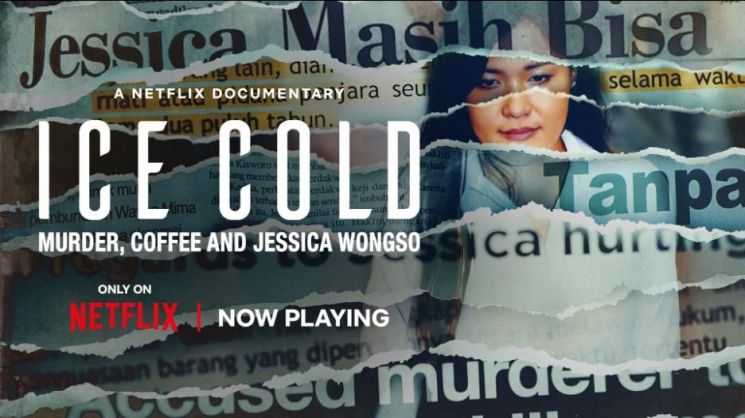
Last year, this case regained public attention when the global online video service (OTT) company Netflix produced a documentary film titled Ice Cold: Murder, Coffee, and Jessica. The 1 hour and 26 minutes long film describes itself as "a documentary that investigates the many remaining questions surrounding the trial of Jessica Wongso, Mirna Salihin's closest friend, years after Mirna's passing."
© The Asia Business Daily(www.asiae.co.kr). All rights reserved.

















