Startup failure cases in the United States have surged by a staggering 60%. This is due to companies shutting down after running out of cash raised during the 2021-2022 startup boom period and failing to secure additional funding. There are warnings that this not only threatens millions of jobs immediately but could also spread risks throughout the entire economy.
Major foreign media outlets reported on the 18th (local time), citing Carta data, that startup bankruptcies in the U.S. have recently increased sharply. According to Carta, 254 customers who received venture funding in the first quarter of this year went bankrupt. This scale is more than seven times higher compared to when Carta began tracking bankruptcy cases in 2019.
The most recent notable company to close is Talley, a fintech company headquartered in San Francisco. Talley founder Jason Brown confirmed in a LinkedIn post that "we were unable to secure the funds necessary to continue operations." Founded nine years ago, the company was valued at $855 million during its 2022 funding round and raised over $170 million from major venture capitalists (VCs) including Andreessen Horowitz.
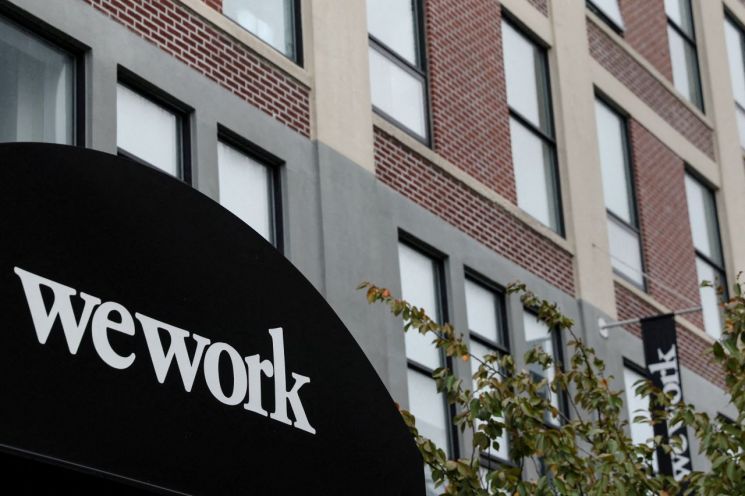
Startups that have gone bankrupt in the past year include Caffeine, a live streaming website company that received over $250 million in investments from Fox and a subsidiary of the Saudi Arabian sovereign wealth fund; Olive, a healthcare startup valued at $4 billion during its 2021 funding round; and Convoy, a trucking company valued at $3.8 billion in 2022. WeWork, the world's largest shared office company, which filed for bankruptcy in November last year, is also on the list.
The media diagnosed this atmosphere as founders suffering from the hangover of the 2021-2022 boom period. VC investments in early-stage startups sharply declined after the interest rate hikes in 2022. Additionally, the collapse of Silicon Valley Bank (SVB), which had served as a financial lifeline for startups for decades, dealt a direct blow.
Morgan Stanley analysts cited in an investor memo that the recent surge in bankruptcies is due to "an abnormally large number of companies raising an abnormally large amount of money in 2021-2022." Morgan Stanley estimates that the number of employees in VC-backed companies in the U.S. is 4 million and expressed concerns that if this trend continues, risks could spread throughout the economy. Peter Walker, head of Carta Insights, also reported a sharp decline in the number of companies able to secure funding again within two years after a funding round.
Even startups showing solid growth are finding it difficult to go public (IPO) or undergo mergers and acquisitions (M&A). The media reported that this has made it difficult for VCs to return capital to institutional investors. According to Carta, only 9% of venture funds raised in 2021 have returned capital to investors.
Although the investment sector has recently shown signs of recovery, this is overwhelmingly concentrated in artificial intelligence (AI) startups. Among the $2 billion raised by Kruze Consulting’s client companies this year, AI startups accounted for three-quarters. Considering that AI startups make up less than a quarter of all clients, this indicates that most investments are directed toward them.
Walker stated, "At any given time, the number of companies that can receive venture funding is limited," adding that startups in less spotlighted sectors such as non-AI fields are particularly struggling to secure funding.
© The Asia Business Daily(www.asiae.co.kr). All rights reserved.
!["The Woman Who Threw Herself into the Water Clutching a Stolen Dior Bag"...A Grotesque Success Story That Shakes the Korean Psyche [Slate]](https://cwcontent.asiae.co.kr/asiaresize/183/2026021902243444107_1771435474.jpg)
















