Need for Equity Among Countries in Vaccines and Testing Equipment
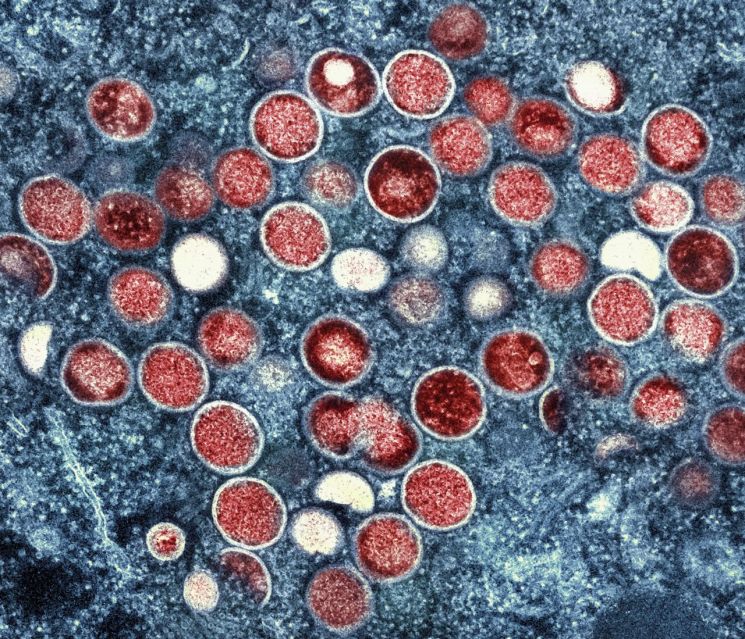
Mpox (formerly known as monkeypox) is spreading mainly in Africa, and experts have warned that if not properly managed, it could spread worldwide and cause significant casualties.
The British daily The Guardian reported on the 17th (local time), citing international health organizations such as the World Health Organization (WHO) and the Africa Centers for Disease Control and Prevention (CDC), as well as experts, that if African countries at the center of the Mpox outbreak fail to unite and respond effectively, the world will be at risk. So far this year, more than 18,700 confirmed Mpox cases (with 500 deaths) have been reported in Africa, surpassing the total number of infections from last year.
In response, the WHO declared an international public health emergency (PHEIC), the highest level of health alert, on the 14th, and the CDC also announced a public health emergency in Africa.
Dr. Ebere Okereke, a senior research fellow in the Global Health Program at the UK think tank Chatham House, said, "Failing to respond strongly to such emergency declarations could have serious consequences. It could facilitate the spread of new and more dangerous variants," adding, "If we do not act now, it will pose a risk not only to Africa but to the rest of the world."
He also emphasized, "This is an opportunity to demonstrate that the world has learned lessons on equity and has been tested in its response to health emergencies since the COVID-19 era." During the COVID-19 pandemic, developing countries took much longer than developed nations to receive testing equipment, vaccines, and personal protective equipment.
However, negotiations on the pandemic treaty, which sets out global response methods for major disease outbreaks, failed to reach an agreement within the deadline at the World Health Assembly held in Geneva, Switzerland, this year. The disagreement centered on how to guarantee medicines and treatments that developing countries need from the West in exchange for sharing information about pathogens spreading within their countries.
Nick Dearden, director of the UK civil society organization Global Justice Now, criticized, "Mpox has been endemic in a few African countries for years. Despite having treatments, significant action was not taken until it became a threat to the West." He implied that greater harm occurred because pharmaceutical companies in developed countries pursued profits and failed to supply vaccines properly and timely to less developed and developing countries.
Dearden urged wealthy nations to stand up to major pharmaceutical companies and take measures to prevent inequalities from recurring in the pandemic treaty negotiations.
© The Asia Business Daily(www.asiae.co.kr). All rights reserved.
![User Who Sold Erroneously Deposited Bitcoins to Repay Debt and Fund Entertainment... What Did the Supreme Court Decide in 2021? [Legal Issue Check]](https://cwcontent.asiae.co.kr/asiaresize/183/2026020910431234020_1770601391.png)

















