Collecting Less Than 3g for Component Analysis Planned
Work to remove nuclear fuel debris remaining in the reactor at the Fukushima Daiichi Nuclear Power Plant in Japan is expected to begin as early as the 21st.
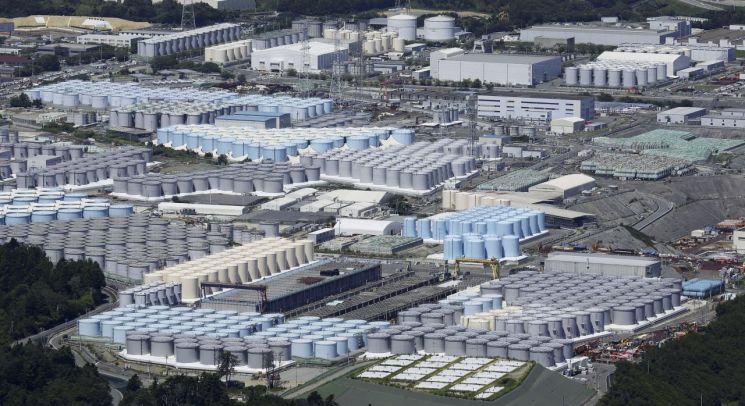
According to the Yomiuri Shimbun on the 17th, Tokyo Electric Power Company (TEPCO), the operator of the Fukushima Daiichi Nuclear Power Plant, applied to use the nuclear fuel debris removal device starting from the 21st, and the Nuclear Regulation Authority issued the device inspection completion documents the day before. Regarding this, Kyodo News reported that TEPCO has set a policy to start the work within this month and plans to announce a detailed schedule on the 19th.
If this operation succeeds, it will be the first time in 13 years since the 2011 nuclear accident that nuclear fuel debris will be removed. TEPCO plans to first conduct a trial removal of nuclear fuel debris weighing less than 3 grams using a fishing rod-shaped device in the Unit 2 reactor. The work is expected to take about two weeks.
TEPCO intends to proceed with full-scale removal work based on the analysis results of the components and hardness of the removed nuclear fuel debris. The removal of nuclear fuel debris was originally scheduled to start in 2021 but was delayed about three years due to equipment issues and other factors. Approximately 880 tons of nuclear fuel debris remain in Units 1 to 3 of the Fukushima Daiichi Nuclear Power Plant, so even if the trial removal is successful, the future work schedule remains uncertain. The Japanese government has set a plan to decommission the Fukushima plant around 2051, but if the nuclear fuel removal work is delayed, this goal cannot be achieved.
Meanwhile, Japanese Minister of Agriculture, Forestry and Fisheries Tetsushi Sakamoto met with Chek Wing-hing, Vice Chairman of the Hong Kong Executive Council, in Hong Kong the day before and requested the lifting of the ban on imports of Japanese seafood, according to the Nihon Keizai Shimbun (Nikkei). Hong Kong authorities banned imports of seafood from 10 prefectures including Fukushima, Miyagi, and Tokyo after TEPCO began releasing treated water (referred to by the Japanese government as "treated water") contaminated at the Fukushima plant into the ocean on August 24 last year. Minister Sakamoto said that Chek responded to the meeting by expressing a desire to "continue dialogue."
Additionally, Nikkei reported that Chinese fishing vessels, which have a complete ban on importing Japanese seafood, were confirmed to have actively fished in the eastern waters of the Tohoku region of Honshu, which includes Fukushima Prefecture, this year as well. The newspaper stated that the total fishing activity time of Chinese vessels in the eastern Tohoku waters in April reached about 5,000 hours, and "there were days when about 50 vessels fished together."
© The Asia Business Daily(www.asiae.co.kr). All rights reserved.

![Clutching a Stolen Dior Bag, Saying "I Hate Being Poor but Real"... The Grotesque Con of a "Human Knockoff" [Slate]](https://cwcontent.asiae.co.kr/asiaresize/183/2026021902243444107_1771435474.jpg)














