Fair Trade Commission: "Largest Case of Unfair Manpower Support in History"
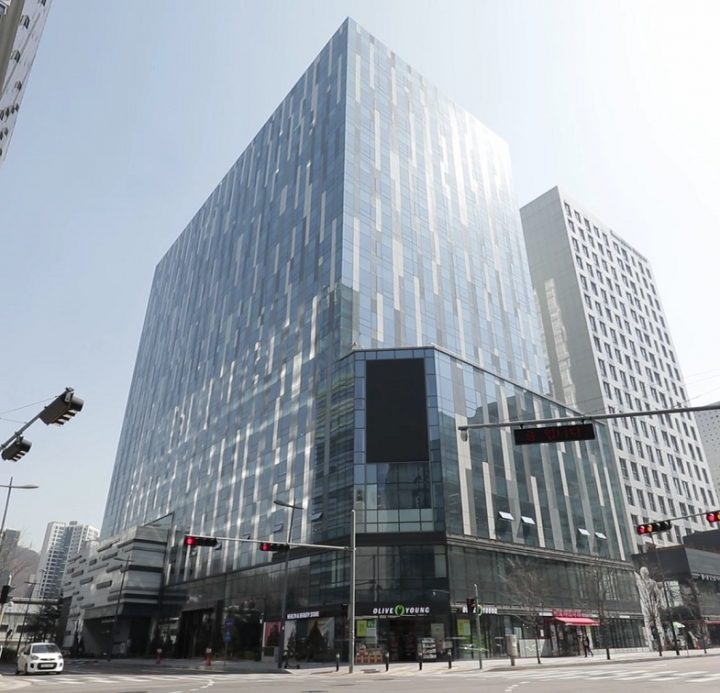
The Fair Trade Commission announced on the 13th that it will impose corrective orders and a provisional fine of 24.5 billion KRW on CJ Freshway, a CJ affiliate, for unfairly supporting 221 personnel worth approximately 33.4 billion KRW to its subsidiary over 12 years and 8 months. This represents the largest number of personnel, the longest period, and the highest amount in the history of unfair personnel support cases.
According to the Fair Trade Commission, CJ Freshway (hereinafter Freshway), the leading food ingredient distribution company in Korea and a core CJ affiliate, established Freshone in 2010 to expand the food ingredient market and secure regional bases. At that time, small and medium-sized merchants opposed the entry of large corporations into the regional food ingredient market, calling it an infringement on neighborhood markets. To avoid controversy, Freshway entered the market by establishing Freshone as a joint venture promoting coexistence.
Freshway had designated regional small and medium-sized merchants to establish Freshone, then purchased more than half of the shares (51-66%) to take control of Freshone. Even after becoming the largest shareholder, Freshway structured the contract so that only the small and medium-sized merchants (regional shareholders) participating in Freshone could sell their shares, allowing Freshway to raise its shareholding to 100%. During this process, CJ Group also intervened and participated in systematically and organizationally expelling the small and medium-sized merchant shareholders.
While Freshway internally organized the systematic expulsion of small and medium-sized merchants, Freshone settled in the market. This support continued until a large-scale insolvency occurred at Freshone, delaying Freshone’s market exit. As a result, Freshone was able to maintain the sales network secured from the small and medium-sized merchants during the joint venture contract process.
The Fair Trade Commission judged that Freshway dispatched a total of 221 personnel over 12 years and 8 months from the establishment of Freshone until the end of June, having them perform key managerial duties at Freshone, and paid the entire personnel expenses of 33.4 billion KRW on behalf of Freshone.
The personnel expenses supported to Freshone correspond to 176% of the total operating profit and 235% of the total net loss. The Fair Trade Commission estimated that without such large-scale support, Freshone would have recorded an operating loss of 14.5 billion KRW, and the net loss would have expanded more than threefold from 14.2 billion KRW to 45.8 billion KRW.
The personnel dispatched to Freshone were assigned to top management positions such as head of corporation, head of management support team, head of product team, head of logistics team, and head of sales team, performing key managerial duties. The Fair Trade Commission pointed out, "Through this, Freshone was able to secure Freshway’s professional personnel with rich industry experience, which are difficult to hire directly from the early stages of the business, without any effort, artificially improving competitive conditions and financial status beyond its own competitiveness."
The Fair Trade Commission found that these actions violated Article 45 of the Monopoly Regulation and Fair Trade Act and decided to impose fines of 16.7 billion KRW and 7.8 billion KRW on Freshway and Freshone, respectively.
The Fair Trade Commission explained, "This measure is significant in that it penalized an unprecedented scale of personnel support acts used by a large corporation to enter neighborhood markets under the guise of coexistence, exclude small and medium-sized merchants from the market, and exploit their interests."
© The Asia Business Daily(www.asiae.co.kr). All rights reserved.
![Clutching a Stolen Dior Bag, Saying "I Hate Being Poor but Real"... The Grotesque Con of a "Human Knockoff" [Slate]](https://cwcontent.asiae.co.kr/asiaresize/183/2026021902243444107_1771435474.jpg)
















