Workers about to eat lunch at an outdoor construction site,
swarmed by 'bees' when opening lunchboxes...1 person dead
Workers at an outdoor construction site in Cheongju, Chungbuk, were suddenly attacked by a swarm of bees while having lunch. One worker died as a result of the incident.
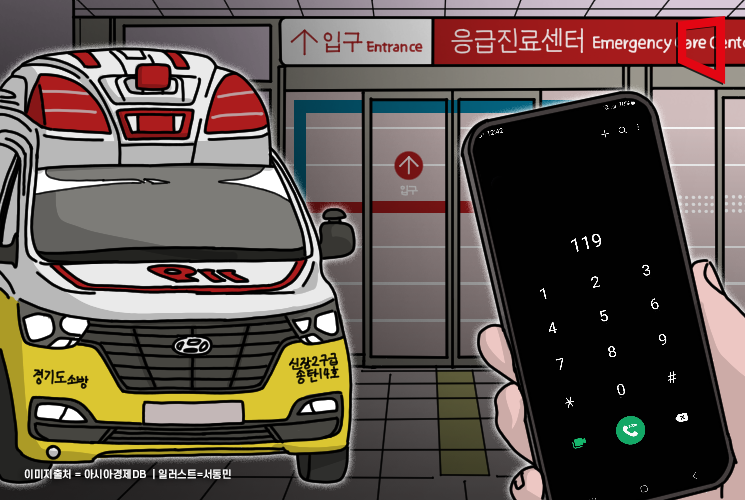
On the 7th, the Cheongju Eastern Fire Station reported that around 12:25 PM, seven out of nine workers eating lunch at a road stone embankment construction site in Munui-myeon, Cheongju, were attacked by a swarm of about ten bees. Among them, Mr. A (in his 60s) was stung on the head and transported to the hospital in cardiac arrest but ultimately died from anaphylactic shock. Anaphylaxis refers to a life-threatening systemic allergic reaction.
The other six workers who were stung by the bees are receiving treatment at a nearby hospital. Worker B, who witnessed the accident, stated, "There were always many bees at the work site," and "As soon as we opened the lunch boxes, the swarm of bees suddenly attacked."
■ How to Respond When Stung by Bees
- When stung by a bee, symptoms such as itching and swelling caused by bee venom appear.
- Bee venom contains about 42 different substances.
2. Cause
- Bee sting incidents occur most frequently in August and September, when bee activity is at its peak.
3. Symptoms
- Reactions after a bee sting can vary from person to person.
- Common symptoms include itching, swelling, and pain.
- If pain persists or symptoms do not improve, it is advisable to seek medical attention from a specialist.
4. Treatment
- If a bee sting leaves a stinger embedded, use a credit card or similar object to scrape it out from the wound.
- Apply ice packs to the sting site.
- If the person stung goes into shock (allergic hypersensitivity reaction), is stung multiple times, or is stung inside the mouth (which can cause swelling of the throat and tongue and block the airway), immediately call 119 or visit the nearest hospital emergency room.
5. Progress
- Bee stings can cause severe allergic reactions such as anaphylactic shock.
- Shock is an emergency situation and requires immediate treatment at a hospital.
- In severe cases, it can be fatal.
© The Asia Business Daily(www.asiae.co.kr). All rights reserved.

















