"Avoid Beverages in Plastic Bottles"
Research findings have been repeatedly published showing that bottled water contains a large amount of microplastics. There is also a claim that the habit of regularly drinking water from plastic bottles may be a cause of hypertension.
A medical research team from Danube Private University in Austria had participants drink only tap water instead of water in plastic or glass bottles for two weeks. The results were surprising. The participants' diastolic blood pressure dropped significantly. The lowered blood pressure was maintained even after four weeks.
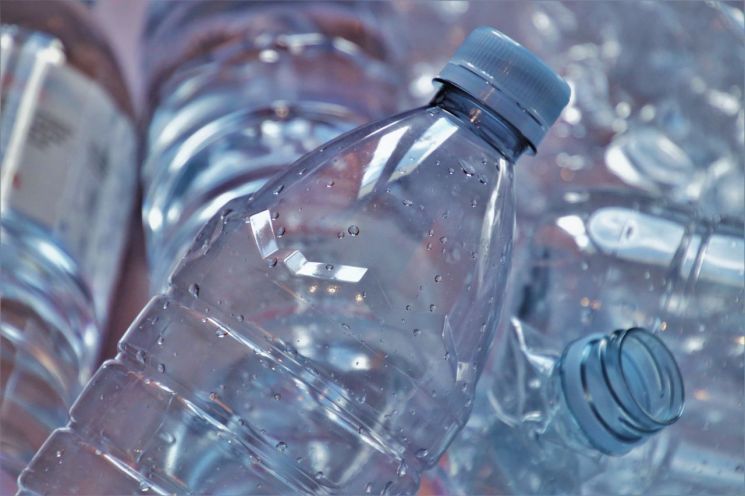
Regarding this, the research team analyzed that reducing plastic usage confirmed a potential decrease in the number of microplastic particles in the bloodstream, which could lower blood pressure. Hypertension is a major cause of heart disease.
Microplastics refer to very small plastic fragments ranging from 5 mm to 1 micrometer (μm; 1 μm is one-millionth of a meter). Particles smaller than 1 μm are called 'nano plastics.' Nano corresponds to a size of one-billionth of a meter. Their shapes vary, including spherical, fiber-like, fragment, and film types.
These tiny plastic particles are widely distributed and circulate in all environments such as marine, freshwater, soil, groundwater, and air. They can enter the human body at any time through the ecosystem. For example, fish that have ingested microplastics may end up on human dining tables, or nano plastics floating in the air can be inhaled through the respiratory system into the body.
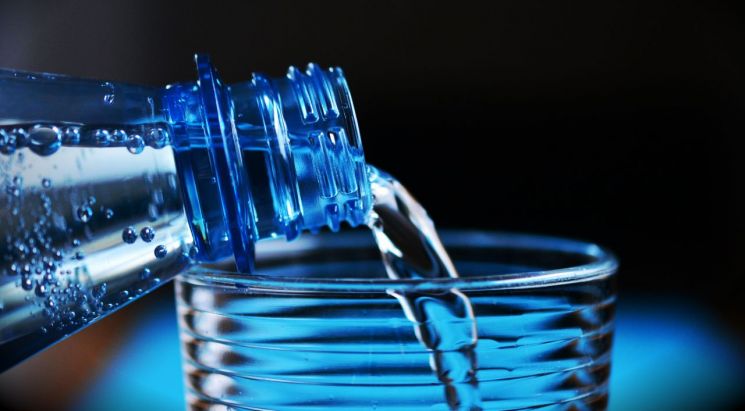
The research team stated regarding blood pressure changes according to microplastic concentration, "Reducing the intake of plastic particles suggests a potential to lower cardiovascular risk."
Meanwhile, a 2020 U.S. study detected microplastics in 47 organs and tissues, including lungs, liver, spleen, and kidneys, collected from donated cadavers. A 2021 Italian study found 12 microplastics in the placentas of 4 out of 6 mothers. In the same year, a U.S. study confirmed plastic particles such as PET in meconium of newborns and feces of infants. A 2022 Dutch study also detected microplastics in human blood.
Recently, a domestic research team first reported to the international academic community that microplastics can damage the inner ear, which detects sound and maintains balance, potentially causing hearing loss and impaired balance. This suggests that microplastics may also threaten ear health.
© The Asia Business Daily(www.asiae.co.kr). All rights reserved.


















