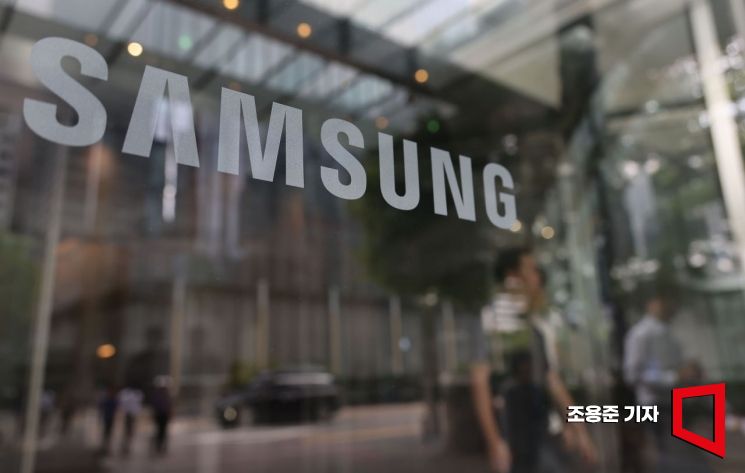
Samsung Electronics, the leader of the KOSPI, fell by more than 10%. This is the largest drop since the 2008 financial crisis.
On the 5th, Samsung Electronics closed at 71,400 KRW, down 8,200 KRW (10.3%) from the previous day. During the session, it fell more than 11.8%, putting the 70,000 KRW level at risk. On the previous 'Black Friday' on the 2nd, Samsung Electronics also recorded a 4% decline.
This sharp drop in Samsung Electronics is the first since the 2008 financial crisis. Even during the March 2020 COVID-19 shock when the KOSPI plunged, the intraday decline was 7.24%.
This recent plunge is interpreted as being influenced by fears of a US-led economic recession and concerns about an artificial intelligence (AI) bubble. On the 1st (local time), the US released the July Manufacturing Purchasing Managers' Index (PMI), which showed unexpectedly weak figures. Additionally, the July unemployment rate reached its highest level in about three years, spreading recession concerns.
Moreover, the recent sharp declines in stocks of companies like Nvidia, which had been leading the US stock market, amid bubble concerns, are also seen as a burden on the KOSPI index.
However, experts believe there are no fundamental problems with Samsung Electronics' performance. On the 31st of last month, Samsung Electronics announced that its consolidated sales and operating profit for the second quarter of this year were 74.0683 trillion KRW and 10.4439 trillion KRW, respectively. These represent increases of 23.44% and 1462.29% compared to the same period last year. The operating profit significantly exceeded the market consensus of 8.3 trillion KRW.
Choi Boyoung, a researcher at Kyobo Securities, stated, “With the ramp-up of High Bandwidth Memory (HBM), growth of more than three times is expected in the second half of the year, and the resulting increase in average selling price (ASP) will continue to improve performance.” He also forecasted, “Supply to client companies through the launch of next-generation new products will be in full swing.”
Park Sangwook, a researcher at Shin Young Securities, analyzed, “If about 30% of DRAM capacity is converted to HBM by 2025, supply shortages will occur, causing memory prices to rise.” He added, “It is highly likely that Samsung Electronics’ valuation will reflect the improvement in the industry starting from the second half of this year.”
© The Asia Business Daily(www.asiae.co.kr). All rights reserved.

![Clutching a Stolen Dior Bag, Saying "I Hate Being Poor but Real"... The Grotesque Con of a "Human Knockoff" [Slate]](https://cwcontent.asiae.co.kr/asiaresize/183/2026021902243444107_1771435474.jpg)















