KB Kookmin Card Survey Results
Ranked No. 1 is Gangwon-do
A survey found that residents of the Seoul metropolitan area planning summer vacations ranked Gangwon-do as their top destination. Jeju Island ranked only fourth. More than 40% responded that they did not need to take a vacation.
On the 26th, KB Kookmin Card released the results of a survey conducted over five days from the 28th of last month to the 2nd of this month. The survey targeted 500 men and women aged 20 to 59 living in the metropolitan area. It showed that 56.6% answered that they "must travel," while 43.4% said they "do not have to." Among the planned domestic travel destinations, Gangwon-do was the most popular at 46.3%. It was followed by Busan, Ulsan, and Gyeongnam at 20.1%, Incheon and Gyeonggi at 17.4%, and Jeju at 16.2%.
The most common reason for thinking travel is necessary was "to escape daily life and relieve stress," at 29%. The top reason for thinking travel is unnecessary was "crowding due to many people during peak season," cited by 39.6%.
Regarding summer vacation preferences by age group, people in their 20s prioritized gourmet and food tourism, those in their 30s preferred rest, relaxation, and healing, people in their 40s chose natural scenery and landscape appreciation, and those in their 50s also prioritized rest, relaxation, and healing.
Preferences for summer vacation types varied by family composition. Families with children preferred rest, relaxation, and healing, while families without children preferred natural scenery.
When asked about the duration of domestic summer vacations, 47% answered 2 nights and 3 days, the highest proportion, followed by 3 nights and 4 days at 26.5%, and 1 night and 2 days at 17.4%. The most preferred domestic summer vacation spots were beaches and the sea at 42.8%, followed by water parks at 27.2%.
Sharp Decline in Domestic Tourists to Jeju Island
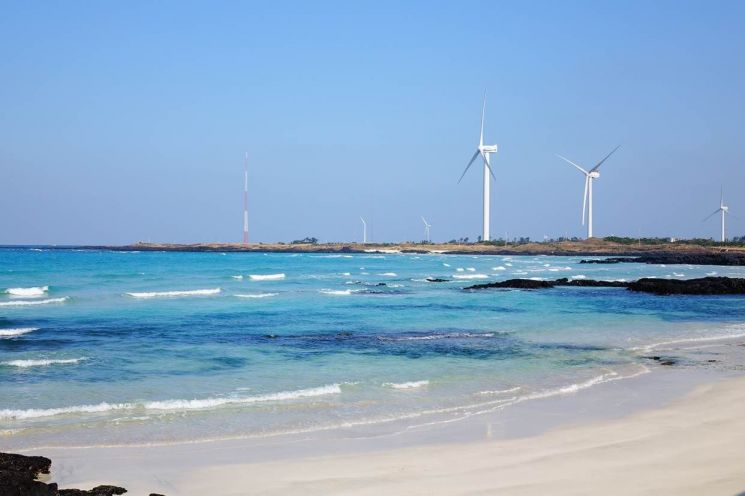
There are additional figures showing the decline in tourists to Jeju Island. According to the Korea Airports Corporation last month, the number of flights on the Jeju-Gimpo route from January to April totaled 61,096. This is a decrease of 12,015 flights (16.4%) compared to 73,111 flights during the same period in 2022, and 1,443 flights (2.3%) fewer than 62,539 flights during the same period last year.
According to the Jeju Tourism Association, last year’s number of tourists to Jeju was 13,375,290, down 3.7% from 13,889,502 in 2022. In particular, the decline in domestic tourists is significant. As of the 2nd of this year, the number was 5,009,278, a decrease of 424,220 (7.8%) compared to 5,433,498 during the same period last year.
One reason Jeju Island is being overlooked is its high prices. Coupled with an unprecedented weak yen phenomenon, the price attractiveness of traveling to Japan has been highlighted, making it a substitute for trips to Jeju.
© The Asia Business Daily(www.asiae.co.kr). All rights reserved.

















