Complete Meal, Convenient 'Frozen Jumeokbap' Launched
Targeting 10 Billion Yen Sales by 2025
Frozen gimbap has gained great popularity in the United States, with exports exceeding 10 billion KRW, and now frozen jumeokbap has been launched in Japan, attracting attention.
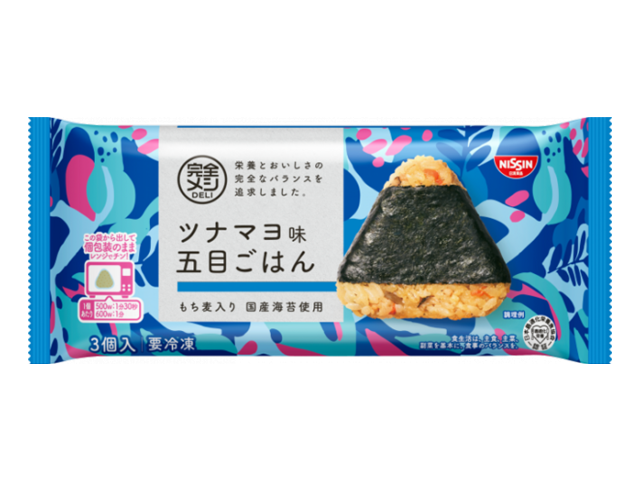 The Japanese food company Nissin Foods Holdings (HD) has launched frozen rice balls targeting female customers under its brand "Wanjun Siksa." [Image source: Screenshot from Nissin Foods Holdings website]
Since the 18th, the Japanese food company Nissin Foods Holdings (HD) has been selling frozen jumeokbap under its brand "Wanzenshoku" targeting female customers. The strategy is to lower the calories to appeal to consumers on a diet. This product considers the needs of consumers who want convenient meals due to busy schedules such as childbirth and childcare, as well as those interested in healthy eating habits. Wanzenshoku has set a sales target of 10 billion yen (approximately 89.448 billion KRW) by 2025. Frozen jumeokbap can be purchased at Nissin Foods Group’s online store and other outlets. The price is 798 yen (about 7,100 KRW) excluding tax.
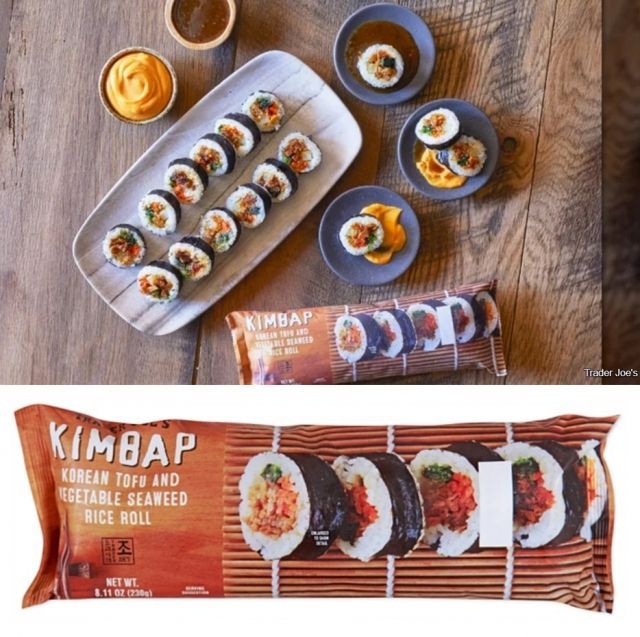 Frozen gimbap sold by the large American supermarket chain Trader Joe's.
 [Image source: Screenshot from Trader Joe's website]
Last year in the United States, a famous influencer introduced how to eat Korean frozen gimbap on social media (SNS), leading to a "frozen gimbap sold-out frenzy" in the U.S. Moreover, since gimbap is a food wrapped with seaweed (gim) filled with various leafy and root vegetables and rice, it captured the hearts of health-conscious consumers. Thanks to this, Korean frozen gimbap became a hot topic on SNS and is now sold at the popular grocery chain Trader Joe’s.
Also, in September last year, the official New York City Instagram account created a segment called "Making kimbap in a NYC lunchroom." While other videos had fewer than 1 million views, the video related to Korean gimbap surpassed 7 million views, sparking a "gimbap craze."
Along with this popularity and global lunchflation (lunch price + inflation), exports exceeded 10 billion KRW for the first time in June. Gimbap, which was once called "Korean sushi" due to low recognition, has now regained its proper name "gimbap" locally in the U.S. and other countries.
© The Asia Business Daily(www.asiae.co.kr). All rights reserved.


















