A foundation has been laid for understanding the mechanisms of human aging and disease occurrence caused by mitochondrial DNA.
KAIST announced on the 24th that a research team led by Dr. An Ji-song, a doctoral student in Professor Joo Young-seok's lab at the Graduate School of Medical Science, has for the first time identified the phenomenon of mosaicism (genetic diversity among cells) of mitochondrial DNA in human cells.
The study involved researchers from Seoul National University College of Medicine, Yonsei University College of Medicine, Korea University College of Medicine, National Cancer Center, and KAIST faculty startup company Inocras.
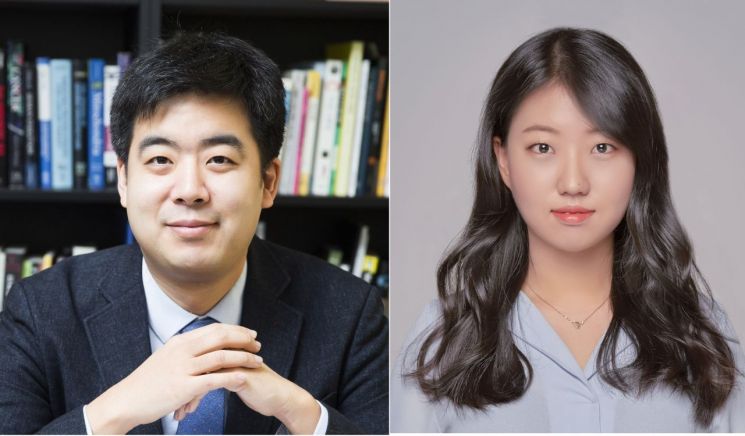
According to the research team, cells in the human body continuously accumulate DNA mutations throughout life, which leads to cellular mosaicism and cellular aging.
Mosaicism occurring in normal somatic cells acts as a major cause of aging and various diseases such as cancer. For the same reason, research on mosaicism occurring in nuclear DNA is currently actively underway.
In contrast, research on mutations and mosaicism of mitochondria has been insufficient until now. Mitochondria are organelles involved in cellular energy metabolism and apoptosis. They possess their own DNA independently from the cell nucleus and can also undergo mutations.
However, to precisely detect mitochondrial DNA mutations, single-cell whole-genome sequencing technology is essential, and technical limitations have been an obstacle to active research progress, according to the research team.
With this in mind, the research team conducted a study analyzing a total of 2,096 single-cell whole-genome sequences obtained from normal colon epithelial tissue, fibroblasts, and blood of 31 individuals using bioinformatics techniques. This is the world's largest study exploring mitochondrial DNA variations in normal human somatic cells.
During this process, the team confirmed that an average of three significant mitochondrial DNA differences exist between cells, most of which are generated during the aging process, but about 6% of the differences are transmitted maternally as heteroplasmy.
They also revealed that the number of mutations significantly increases during cancer development, and some of these mutations contribute to mitochondrial RNA instability.
Based on the observed data, the research team also succeeded in constructing a model that can understand the occurrence and evolutionary process of mitochondria from the human embryonic development stage through aging and carcinogenesis.
This study is expected to serve as an important foundation for understanding the impact of mitochondrial DNA on aging and disease occurrence by systematically revealing the mechanisms by which mitochondrial DNA mutations occur in normal human cells.
Professor Joo Young-seok of KAIST Graduate School of Medical Science explained, “By systematically utilizing whole-genome big data, we were able to elucidate biological phenomena that were previously considered unknown. The research results are significant in that they established, for the first time, a method to systematically understand changes in mitochondrial DNA occurring not only in cancer development but also in human embryonic development and aging processes.”
Meanwhile, this research was supported by the Korea Research Foundation’s Leader Research Program, Pioneer Research Center, and the Seokyeongbae Science Foundation’s Young Scientist Research Support Project. The research results were also published in the online edition of the international scientific journal Nature Genetics on July 22.
© The Asia Business Daily(www.asiae.co.kr). All rights reserved.

















