Survey Conducted on 403 Socially Isolated Households... 75.2% Face Economic Hardships
To Be Used as Basic Data for Support Plans and Risk Group Surveys on Solitary Deaths
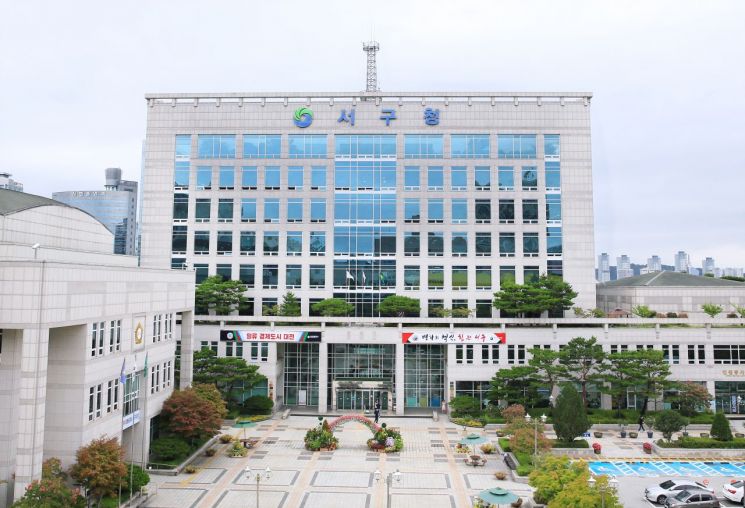
Seo-gu District in Daejeon announced that it has identified 272 individuals at risk of lonely death (godoksa) among middle-aged isolated households residing in the district through a comprehensive survey.
Seo-gu conducted the survey in June, targeting 403 socially isolated households of middle-aged residents (ages 40-64). The survey utilized private human resource networks, such as welfare bankbook holders and members of the local community security council, to assess the degree of social isolation, household vulnerability, quality of life for single-person households, and health status.
The results showed that the most significant difficulty faced by single-person households was financial hardship, cited by 75.2% of respondents. As age increased, more respondents indicated difficulty in coping with illness or emergencies.
Notably, the greatest psychological challenge for single-person households was loneliness from living daily life alone, reported by 48.1% of respondents.
Only 11.1% of respondents said their physical health was good, and just 24.5% said their mental health was good.
About 22.8% of all respondents reported having had suicidal thoughts in the past year. This was higher among female single-person households (24.7%) compared to male single-person households (21.1%).
Based on the analysis of social isolation and household vulnerability, the district identified 272 individuals at risk of lonely death (godoksa). Moving forward, the district plans to conduct needs assessments for these individuals and connect them to public benefits, care services, and ongoing monitoring.
Regarding the necessity of specific policies, respondents prioritized housing stability (38.5%), economic independence (25.8%), health management (20.3%), and daily safety (10.4%). The most needed support policy for health promotion was assistance in emergencies and hospital accompaniment services (60.9%).
Seo-gu plans to use these analysis results as foundational data for establishing basic plans to support socially isolated households and conducting further research on those at risk of lonely death (godoksa). The district also aims to develop tailored policies that respond to the changing needs of socially isolated households through continuous monitoring.
District Chief Seo Cheolmo stated, "Based on the survey results, we will develop support measures tailored to the characteristics of our region," adding, "We will do our best to ensure that all local residents can enjoy a safe and comfortable life."
© The Asia Business Daily(www.asiae.co.kr). All rights reserved.

















