Compensation for Unauthorized Use Without Tenant Permission
Supreme Court: Tenant Is Not an Unauthorized Occupant but Not the Owner
The Supreme Court has ruled that a tenant operating a laundry business by renting a building constructed with permission on state-owned land cannot be considered as 'unauthorized occupant' and therefore cannot be imposed with compensation fees.
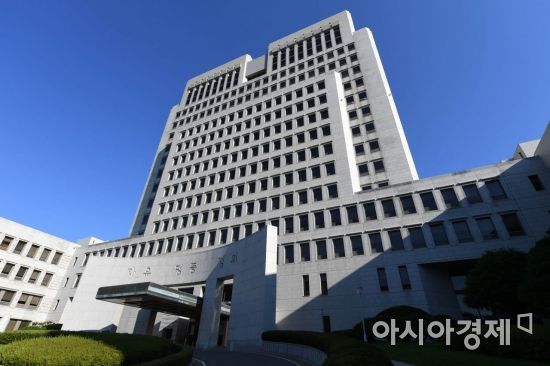
According to the legal community on the 22nd, the Supreme Court's Second Division (Presiding Justice Shin Sook-hee) overturned the lower court ruling that dismissed the lawsuit filed by tenant A and company B against the Korea Railroad Corporation seeking cancellation of the compensation fee imposition, and remanded the case to the Seoul High Court.
In 2011, the Korea Railroad Corporation granted usage permission to Mr. C for a portion of railroad land in Guro-gu, Seoul. Mr. C then constructed a prefabricated building on the site and rented it out to tenant A and company B.
However, in 2021, the Korea Railroad Corporation demanded the removal of the facilities and imposed compensation fees on the plaintiffs, claiming they were unauthorized occupants. The plaintiffs filed a lawsuit seeking cancellation of the compensation fee imposition, arguing that they had only signed lease contracts with Mr. C and were not unauthorized occupants.
The key issue in the trial was whether occupying and using part of a building leased from a person who obtained usage permission on state-owned land could be considered unauthorized occupation of the state-owned land.
The first trial court ruled in favor of the plaintiffs, but the appellate court held that tenants of the building also use part of the land to generate profit and thus qualify as unauthorized occupants.
However, the Supreme Court's judgment differed. The Supreme Court stated, "Even if a person who is not the owner of a building actually occupies and uses the building, it cannot be regarded as occupying the land, and the owner should be considered as occupying the land," explaining the reason for overturning and remanding the case.
It further stated, "The building in this case was newly constructed on the land with usage permission granted to the building owner by the state, and the plaintiffs are merely tenants leasing parts of the building," adding, "The plaintiffs, who are not owners of the temporary building, do not qualify as unauthorized occupants of the land in question."
© The Asia Business Daily(www.asiae.co.kr). All rights reserved.

















