Illegal Capture of Wildlife Using Snare Traps and Hunting Dogs
Self-Made 300 Snare Traps... Evidence of Sales Also Found
Five people in their 50s who illegally captured wild animals for health purposes have been referred to the prosecution. The Jeju Special Self-Governing Province Autonomous Police Unit announced on the 18th that it had sent five people, including Mr. A in his 50s, to prosecution without detention on charges of violating the Wildlife Protection and Management Act.
Mr. A is suspected of setting snares or using hunting dogs to capture five badgers on oreums in the eastern region of Jeju Island from 2022 until February this year. He is also accused of capturing five pheasants, which are prohibited from being hunted, using an air rifle issued for capturing harmful wild animals during the hunting ban period.
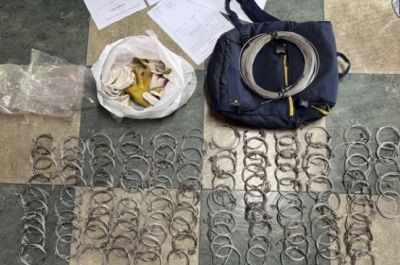 A's self-made snare trap to capture a badger [Image source=Provided by Jeju Autonomous Police Agency]
The other four, who are seniors and juniors from Mr. A’s hometown, either accompanied Mr. A or individually set snares on oreums to illegally capture 16 badgers. Police investigations confirmed that after capturing the wild animals, they grilled them for health purposes or made extracts through health centers to share. The police also found evidence that some of the wild animals were sold, but the buyers have not been identified. It was also confirmed that about 300 self-made snares used for capturing badgers were stored at the residences of Mr. A and others.
Anyone who captures, collects, or kills wildlife can face up to two years in prison or a fine of up to 20 million won. Additionally, manufacturing, selling, possessing, or storing tools for capturing wild animals is punishable by up to one year in prison or a fine of up to 10 million won.
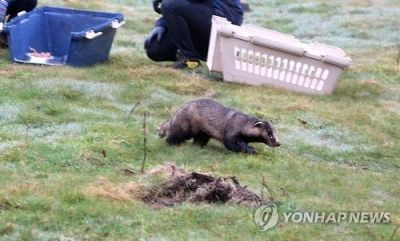
Badgers are classified as a species of concern on the Red List of Threatened Species compiled by the International Union for Conservation of Nature (IUCN), which records the conservation status of flora and fauna.
Lee Sun-ho, head of the Seogwipo Regional Police Unit of the Autonomous Police, stated, “Every year, poaching of wild animals continues due to the mistaken belief that wild animals like badgers are good for health,” adding, “Consuming captured wild animals as food can become a hotbed for various infectious diseases.”
Earlier in April, Jeju Province announced plans to strongly respond to those caught poaching or trafficking wild animals through criminal prosecution, fines, and hunting license cancellations, and stated that it will continue its own crackdowns until poaching and trafficking of wild animals are eradicated.
© The Asia Business Daily(www.asiae.co.kr). All rights reserved.
![User Who Sold Erroneously Deposited Bitcoins to Repay Debt and Fund Entertainment... What Did the Supreme Court Decide in 2021? [Legal Issue Check]](https://cwcontent.asiae.co.kr/asiaresize/183/2026020910431234020_1770601391.png)
















