Consumer Sentiment Shift Compounded by Trump Risk
Ford to Manufacture Internal Combustion Engine Vehicles at Electric Car Plant
According to the New York Times (NYT) on the 18th (local time), global automakers that have invested heavily in electric vehicle development over the past five years are recently slowing down and refocusing on internal combustion engine vehicles. The NYT cited changes in consumer sentiment and political instability as the reasons behind the companies' sudden strategic shift.
According to foreign media, as of May, the average price of a new electric vehicle was about $57,000 (approximately 78.97 million KRW), while internal combustion engine vehicles were around $48,000. Because electric vehicles are more expensive than internal combustion vehicles and charging is inconvenient, consumer satisfaction has declined. Reflecting this, manufacturers have withdrawn aggressive investments and partially shifted their focus back to internal combustion engine vehicles.
On the same day, Ford announced that it would reorganize its Canadian plant, which was originally planned to produce electric sport utility vehicles (SUVs), into a production base for the internal combustion engine pickup truck 'Super Duty.' Additionally, Ford stated that even operating existing production facilities at full capacity would not meet demand, and decided to invest a total of $3 billion to expand Super Duty production.
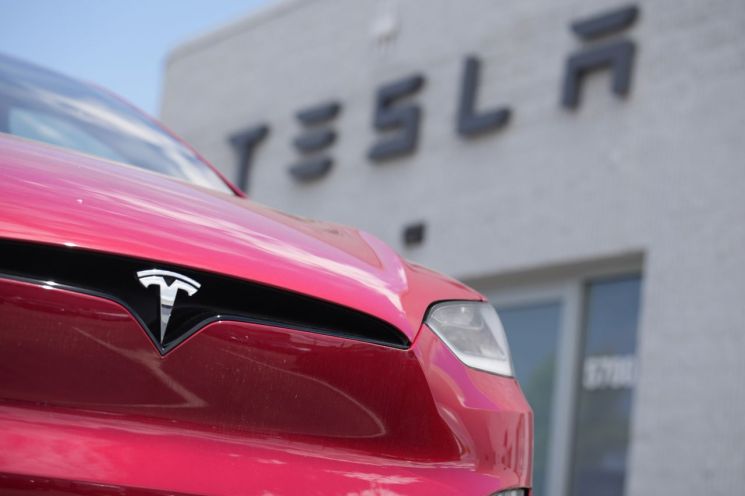
Earlier, GM had projected electric vehicle production to reach up to 300,000 units this year but lowered the forecast by 50,000 units to 250,000. Tesla, the leader in the electric vehicle industry, also postponed plans to build an electric vehicle factory in Mexico.
Arun Kumar, a director at AlixPartners, said, "After the pandemic, there was enthusiasm for electric vehicles, and many manufacturers believed growth would continue. But the reality is different. It is a wise move to avoid losing market share in internal combustion engines."
The upcoming U.S. presidential election scheduled for November is also an important market variable. The spread of electric vehicles has been a core policy of President Joe Biden, but if former President Donald Trump wins re-election, the atmosphere could change significantly. Former President Trump has pledged to repeal many of Biden's policies, including electric vehicle subsidies.
© The Asia Business Daily(www.asiae.co.kr). All rights reserved.

















