Prime Minister's Lament "How Is This Possible" Met with Media Claims of "Lobbying and Bribery"
As a series of large-scale corruption scandals erupted in Bangladesh, long-serving Prime Minister Sheikh Hasina expressed her determination to eradicate corruption.
On the 15th (local time), Yonhap News quoted foreign media including AFP, reporting on Prime Minister Hasina's stance regarding the recent ongoing corruption scandals in her country. She told reporters the previous afternoon, "This mess must be cleaned up," emphasizing, "Corruption has been a long-standing issue. (The government) is taking measures related to this."
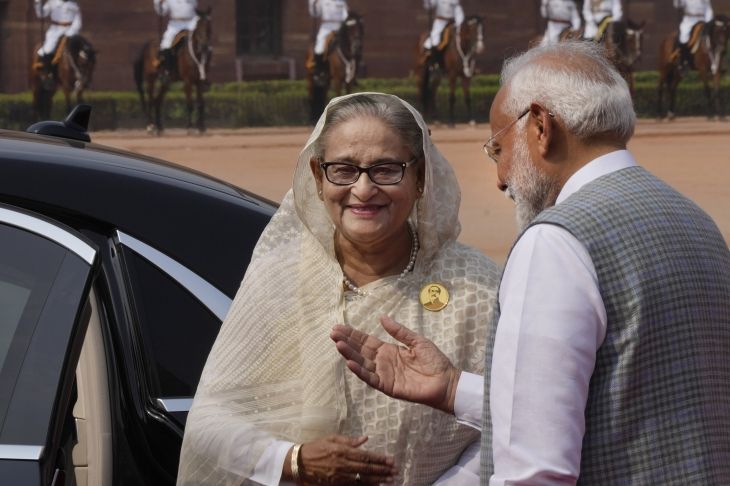
Prime Minister Hasina also referred to corruption allegations involving her former domestic helper, which were recently reported by local media. This helper, nicknamed "Water" for carrying water and doing menial tasks at events attended by Hasina, is known to have amassed a huge fortune of 34 million dollars (about 47 billion won). According to foreign media, this amount is an enormous scale equivalent to what an average Bangladeshi citizen would need over 13,000 years to accumulate.
It is currently reported that this helper is traveling by helicopter. The local media outlet Dhaka Tribune reported that the helper used her position to engage in lobbying, bid rigging, and bribery. Regarding this, Hasina pointed out, "How could he have earned so much money?" and stated, "After learning about this matter, immediate countermeasures were taken."
Earlier, the Bangladesh Anti-Corruption Commission launched an investigation into former Police Chief Benazir Ahmed. Ahmed, known as a close aide to Prime Minister Hasina, is accused of embezzling millions of dollars. Former Capital Military Commander Aziz Ahmed was also reported by local media to be involved in bribery allegations.
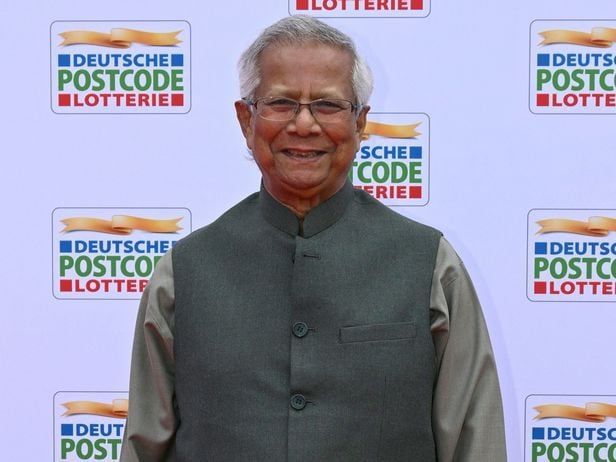 Muhammad Yunus (82), a Bangladeshi poverty alleviation activist and Nobel Peace Prize laureate.
 [Photo by Reuters / Yonhap News]
Last year, 13 board members of the telecommunications company Grameen Telecom, including Yunus, were accused of embezzlement and other charges. Yunus is the figure who established Grameen Bank in 1983 as part of poverty alleviation efforts. He provided small loans without collateral to the poor and was recognized for this achievement by receiving the Nobel Peace Prize in 2006. However, the following year, he faced political opposition when attempting to form a party opposing the ruling party, and was eventually ousted from the bank presidency in 2011.
© The Asia Business Daily(www.asiae.co.kr). All rights reserved.


















