Enforcement Decree of Smart Agriculture Act Passed at Cabinet Meeting on 16th
Smart Agriculture Manager Certification System to Be Introduced Next Year
The government has decided to designate development zones that gather smart agriculture and related industries in the second half of this year to systematically foster smart agriculture, and to provide financial support for rental-type smart farms and others. Next year, a qualification system for smart agriculture managers will be introduced to carry out tasks such as education, technology dissemination, and consultation related to smart agriculture.
The Ministry of Agriculture, Food and Rural Affairs announced that the "Enforcement Decree of the Act on the Promotion and Support of Smart Agriculture," which contains these details, passed the Cabinet meeting on the 16th.
This enforcement decree, along with the enforcement rules prepared simultaneously, stipulates matters delegated by the law and necessary for its implementation following the enactment of the "Smart Agriculture Act" last year (promulgated on July 25, 2023, and effective from July 26, 2024). A ministry official explained, "We have concretized the establishment of smart agriculture promotion plans, designation of smart agriculture development zones, designation of smart agriculture professional training institutions, and implementation of the smart agriculture manager qualification system to establish an institutional support foundation for the systematic promotion of smart agriculture."
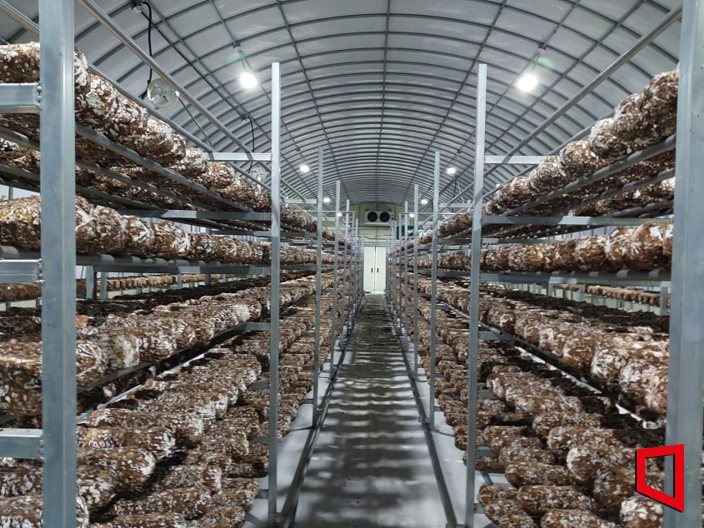
First, the Minister of Agriculture, Food and Rural Affairs will establish a basic plan every five years and annual implementation plans, while provincial governors will establish annual provincial plans tailored to regional conditions. The minister plans to evaluate the progress of these provincial plans and provide necessary support.
Smart agriculture development zones will also be designated. The minister will create zones that gather smart agriculture and related industries to establish regional hubs for the spread of smart agriculture. In the second half of this year, applications from local governments will be accepted, and through evaluation, development zones will be designated with financial support provided for rental-type smart farms and others.
Additionally, professional training institutions for smart agriculture will be designated, and a smart agriculture manager qualification system will be introduced. Institutions meeting certain requirements necessary for training smart agriculture professionals will be designated as professional training institutions. Currently, applications for professional training institutions are being accepted, and in August, one institution each in the horticulture and livestock sectors will be pilot designated. Furthermore, a qualification system for smart agriculture managers, who will possess expertise in smart agriculture and perform tasks such as education, guidance, technology dissemination, information provision, and consultation, will be introduced. The ministry is currently preparing detailed operational plans for the qualification system through a separate task force (TF) and plans to hold the first exam next year.
Lee Sang-man, Director of Agricultural Innovation Policy at the Ministry of Agriculture, Food and Rural Affairs, said, "Smart agriculture is a good solution to increasingly severe climate anomalies, and its importance will continue to grow. The enforcement of laws to systematically foster and support smart agriculture and related industries is expected to contribute to increased agricultural productivity and the stability of agricultural product supply and demand."
© The Asia Business Daily(www.asiae.co.kr). All rights reserved.
!["The Woman Who Threw Herself into the Water Clutching a Stolen Dior Bag"...A Grotesque Success Story That Shakes the Korean Psyche [Slate]](https://cwcontent.asiae.co.kr/asiaresize/183/2026021902243444107_1771435474.jpg)
















