The Jeonbuk Jeongeup Agricultural Technology Center urged thorough prevention and response to heatwaves as severe heat following the rainy season raises concerns about heat and drought damage to horticultural crops.
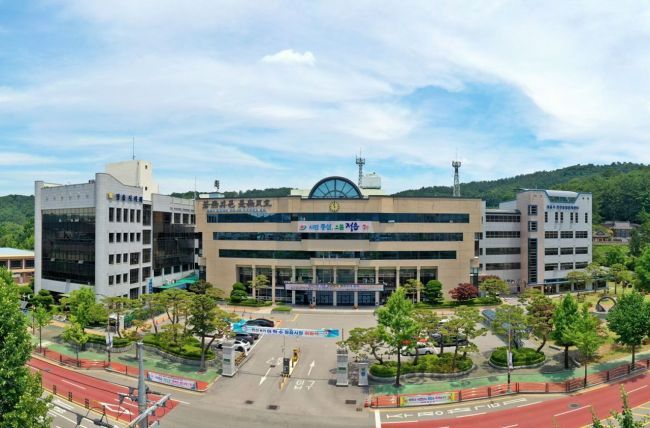
According to the Jeongeup Agricultural Technology Center on the 11th, during summer, horticultural crops have an increased incidence of diseases such as late blight, anthracnose, damping-off, and rot. In particular, to prevent anthracnose, which is transmitted by rainwater, fungicide treatment should be applied before and after the rainy season.
For chili peppers, infected leaves or fruits should be removed immediately upon discovery, and protective fungicides should be sprayed 2 to 3 times at intervals of 7 to 10 days to prevent secondary infection of pathogens through wounds.
In hot and humid environments, fungal diseases can occur frequently, so active control of anthracnose, grape brown spot disease, and downy mildew is necessary.
Ventilation fans should be actively operated in greenhouses cultivating grapes, blueberries, and other crops to lower the humidity inside the facilities as much as possible.
Chili peppers have a high incidence of viruses, moths, thrips, and mites. When pests are detected, insecticides should be applied at intervals of 3 to 4 days. Viruses cannot be treated once infected and spread to surrounding plants, so immediate removal is required.
For fruit trees, prolonged high temperatures cause the spread of pests such as mites and moths, so management should focus on prevention to block pest entry, and thorough application of specialized pesticides at the early stage of infestation is essential.
Chili peppers show various symptoms such as poor growth, poor fruit set, growth point atrophy, and sunscald due to reduced root nutrient absorption caused by heatwaves.
In particular, calcium absorption is inhibited, causing calcium deficiency symptoms. To prevent this, a 0.2% urea solution or type 4 compound fertilizer should be sprayed 2 to 3 times at intervals of 5 to 7 days.
An official from the Agricultural Technology Center said, “Growth management and pest and disease control are important for stable production of horticultural crops during this period.”
Jeongeup = Asia Economy Honam Reporting Headquarters, Reporter Kim Jaegil baekok@asiae.co.kr
© The Asia Business Daily(www.asiae.co.kr). All rights reserved.

















