The court ruled that the order to surrender the passport to a suspect, against whom an arrest warrant was issued for producing and distributing sexually exploitative materials while staying abroad, is justified.
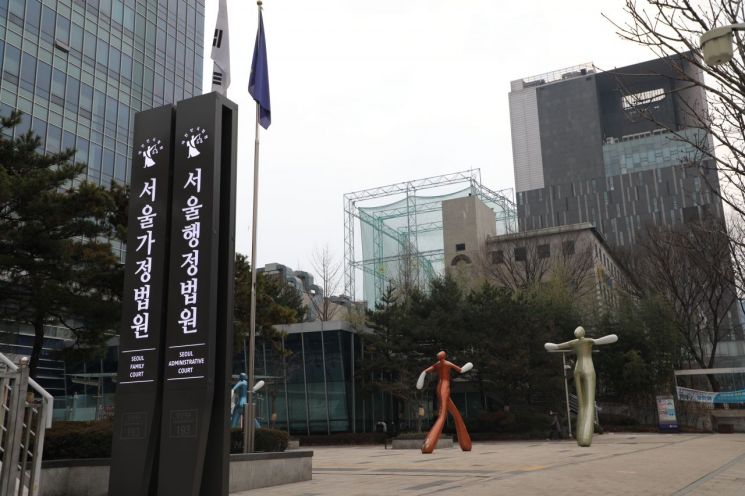
According to the legal community on the 8th, the Administrative Division 1 of the Seoul Administrative Court (Chief Judge Yang Sang-yoon) recently ruled against plaintiff A in a lawsuit filed against the Minister of Foreign Affairs seeking cancellation of the passport surrender order.
A used the passport issued in April 2019 to depart for the United States in September 2019 and had been residing there. Subsequently, in April last year, an arrest warrant was issued against A on charges including violation of the Act on the Protection of Children and Juveniles from Sexual Abuse (production and distribution of sexually exploitative materials). On May 25 of last year, the Jeju Provincial Police Agency requested the Ministry of Foreign Affairs to cooperate with administrative sanctions such as refusal to issue a passport and an order to surrender the passport for A, and the Ministry of Foreign Affairs issued the passport surrender order to A on May 30 under the former Passport Act.
In response, A claimed that the order was illegal. A argued, “I have not committed a crime under the Act on the Protection of Children and Juveniles from Sexual Abuse punishable by imprisonment of three years or more, and the issuance of the arrest warrant itself does not meet the requirements and is therefore illegal,” and “the passport surrender order is illegal and should be canceled.”
However, the court judged that the Ministry of Foreign Affairs’ passport surrender order against A was appropriate. The court stated, “There is substantial reason to suspect that A committed a crime punishable by imprisonment of three years or more, and the issuance of the arrest warrant was recognized due to the grounds and necessity of the arrest.”
It added, “Even if the issuance of the arrest warrant is considered a kind of preliminary disposition for the passport surrender, it is for a separate legal effect,” and “except in cases where the illegality is serious, objectively clear, and can be deemed null and void, it is reasonable not to dispute the effect of the passport surrender order on the grounds of illegality.”
Furthermore, the court concluded, “The criminal facts stated in the arrest warrant are very serious in content and extent of damage,” and “there is a need to have the passport surrendered to promptly proceed with the investigation and trial of A and to secure the realization of the state's criminal jurisdiction.”
© The Asia Business Daily(www.asiae.co.kr). All rights reserved.

















