44 Real Estate Bills Proposed under Land Committee Jurisdiction
Democratic Party Supports Jeonse Fraud Victims and Public Housing Activation
People Power Party Advocates Abolition of Comprehensive Real Estate Tax and Easing Reconstruction Regulations
Experts Urge "Proposals with Concrete Measures"
The ruling and opposition parties, having completed the organization of the National Assembly, are intensifying legislative competition by flooding real estate-related bills. The Democratic Party of Korea has focused on protecting victims of jeonse fraud and revitalizing public housing, while the People Power Party has proposed abolishing the comprehensive real estate tax and promoting reconstruction. Experts pointed out the need for bills containing concrete implementation plans rather than 'showy' measures.
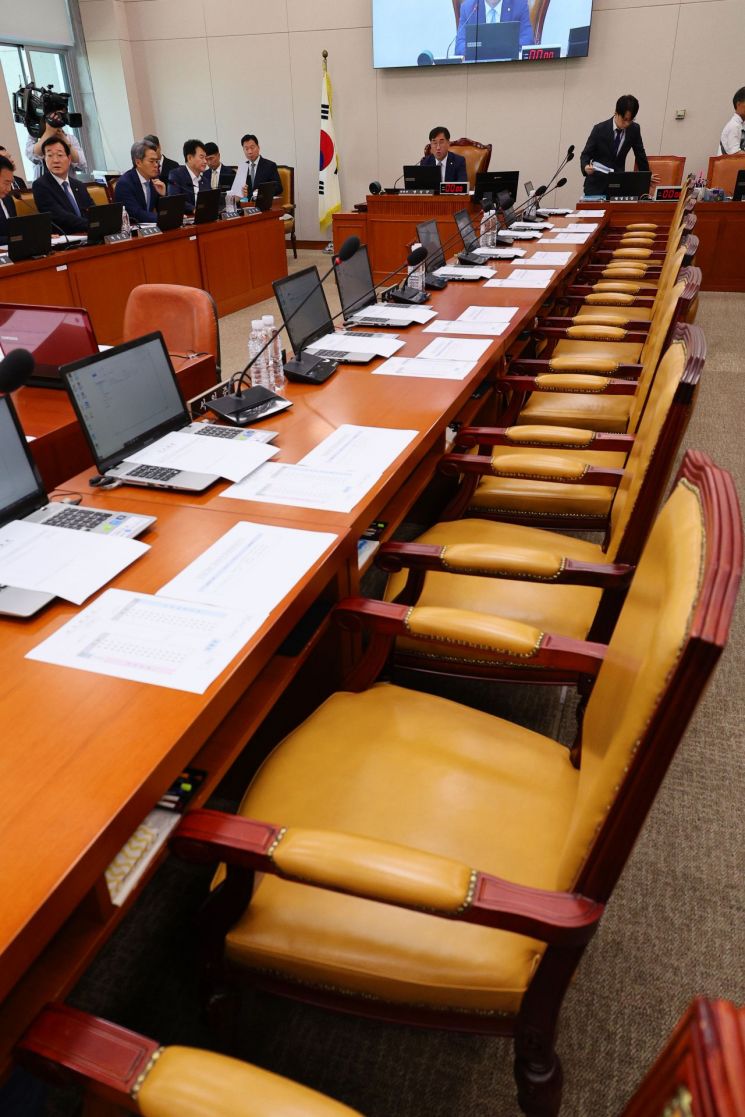
According to the Legislative Information System on the 5th, since the opening of the 22nd National Assembly on May 30th until the 3rd of this month, 43 real estate-related bills under the jurisdiction of the Land, Infrastructure and Transport Committee have been proposed (based on bills proposed by members).
In the Democratic Party, bills aimed at supporting vulnerable housing groups, such as assistance for victims of jeonse fraud and revitalization of public housing, predominated. For example, on the 3rd, Representative Bok Gi-wang introduced the 'Jeonse Fraud Special Act Amendment' which includes extending the suspension of auction and public sale of houses affected by jeonse fraud and mandating the Ministry of Land, Infrastructure and Transport to conduct a survey on jeonse fraud damage. The purpose is to allow the extension of auction suspension to prevent houses from being auctioned before substantial relief measures for victims of jeonse fraud are established.
Representative Lee Yeon-hee proposed the 'Housing Lease Protection Act Amendment' to recognize the effective date of the tenant's opposability in housing lease contracts as the same day in real time. This is to prevent tenant damages in advance, as recently there have been cases where the effective opposability, which usually occurs the day after the move-in report, was exploited to sell the house or set a mortgage immediately after the lease contract to defraud the deposit.
Additionally, Representatives Kang Seon-woo, Seo Young-kyo, and Min Hong-chul jointly introduced the 'Public Housing Special Act Amendment' to rapidly and continuously supply public housing in urban areas or to mandate the installation of welfare facilities within public housing.
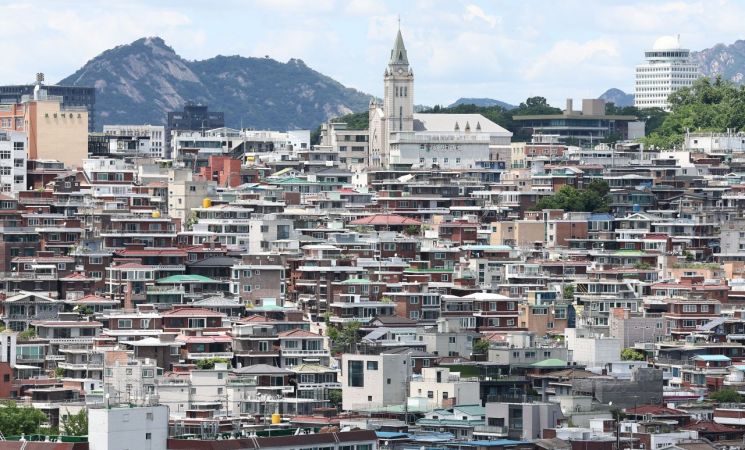
On the other hand, the People Power Party mainly proposed bills related to deregulation of real estate. Notably, Representative Kim Eun-hye introduced the 'Comprehensive Real Estate Tax Act Abolition Bill' to completely abolish the comprehensive real estate tax. Representative Kim explained the background of the proposal, stating, "The comprehensive real estate tax, introduced during the Roh Moo-hyun administration, contrary to its legal purpose of 'enhancing tax burden equity and stabilizing real estate prices,' actually caused a surge in real estate prices. Due to excessive tax burdens causing infringement on property rights and controversies over double taxation, there is also a constitutional issue, so abolition is desirable."
Representative Kim Sang-hoon proposed the 'Urban and Residential Environment Maintenance Act Amendment' which allows safety inspections to be conducted before the approval of reconstruction project implementation plans and enables simultaneous designation of maintenance districts and establishment of associations. Currently, only after passing safety inspections can maintenance plans be established or promotion committees formed, but if the bill passes, reconstruction can be promoted even before safety inspections. This aims to expedite reconstruction projects.
Regarding this, experts pointed out that each party is presenting bills with low feasibility, focusing only on 'clarity' competition. Professor Han Moon-do of the Department of Real Estate at Seoul Digital University said, "Both parties' bills contain only macro-level content without concrete alternatives," adding, "The abolition of the comprehensive real estate tax and the special act on jeonse fraud are sharply contested between the ruling and opposition parties, making their passage uncertain." Professor Kwon Dae-jung of the Department of Real Estate at Sogang University evaluated, "Support bills for victims of jeonse fraud may cause moral hazard, and reconstruction regulations should not be relaxed unconditionally but should be comprehensively considered from functional, economic, and physical perspectives."
© The Asia Business Daily(www.asiae.co.kr). All rights reserved.


















