Importance of Hydration, Mineral Water Best
Carry Ice Water, Prepare Salt to Prevent Dehydration
Avoid Direct Sunlight, Wrap Frozen Towel Around Neck
Maintain Calm Pre-Shot Routine, Lower Grip
Once the monsoon season ends, the real heat begins. Playing a round in the scorching heat is not easy. However, you cannot just sit in front of a cool air conditioner. Passionate golfers must beat the heat out on the course.
This is a great opportunity to gain some luck while playing. Asia Economy has been promoting the nationwide brain health project called Haman Hacheon (One Day Ten Thousand Steps, One Day One Thousand Characters) exercise since 2023. Starting from May 15th, an untact “Golf Course Grass Ten Thousand Steps Walking Challenge” began. This event runs until the 14th of the following month. Through a raffle, participants can win prizes such as free use vouchers for Seowon Hall, a prestigious golf course in Paju, Ping Boston bags, TaylorMade TP 5X golf balls, Titleist golf caps, and Lapaz UV protection patches. Those with the highest participation can also win a Dunlop XXIO driver, Voice Caddie CL2, and Srixon hybrid clubs. It’s a chance to take care of both health and gifts.
Even under the blazing sun, with thorough preparation, you can enjoy walking golf. Weekend golfers go out for rounds despite the heatwave. Prolonged exposure to heat can cause dehydration, headaches, vomiting, and dizziness. Proper condition management is essential. Especially, replenishing fluids is crucial. According to the U.S. National Academy of Medicine, adult men over 19 are advised to drink 13 cups (104 ounces) of water daily, and adult women 9 cups (72 ounces). Since you play outdoors in the heat, you should increase your water intake. Decide the amount carefully by checking your age, gender, and current physical condition.

You should hydrate before and after your round as well. Excessive sweating can lead to dehydration symptoms and decreased concentration. During 18 holes, you typically sweat about 4 liters. Feeling thirsty is already a sign that dehydration has begun. Research shows that “losing 2% of your body weight in fluids reduces performance by 20%.” Make it a habit to drink water regularly. It helps the brain’s neural tissues and muscles function actively.
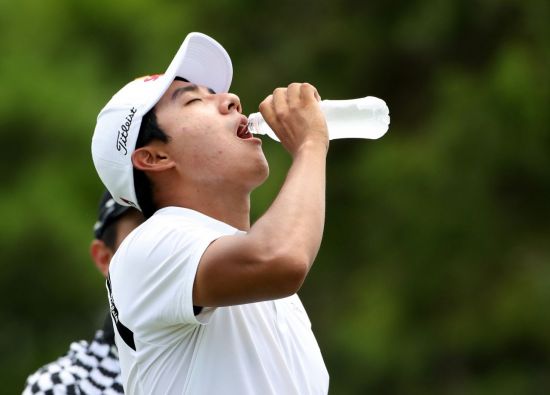
Barley tea or mineral water containing mildly alkaline components is ideal. It contains carbohydrates and has a low concentration of 6-8%, allowing relatively quick absorption. Doctors advise that it “helps the brain’s neural tissues and muscles perform actively.” Also, bring ice water. However, avoid gulping it down quickly as it may cause stomach upset. Drink it little by little. Replenishing energy with fruits like bananas, grapes, watermelon, and peaches is also a good method. You can also hydrate through fresh vegetables and other foods. Salt is a tip to prevent dehydration symptoms. The Korea Ladies Professional Golf Association (KLPGA) even distributes salt during heatwaves. Avoid alcohol during rounds as it only causes dehydration when consumed excessively.
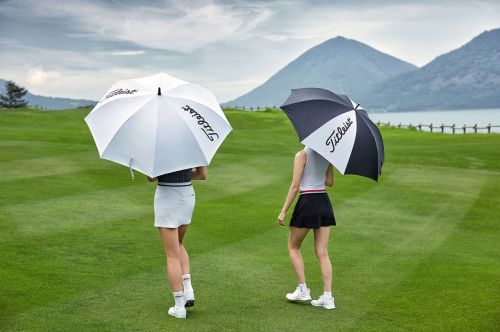
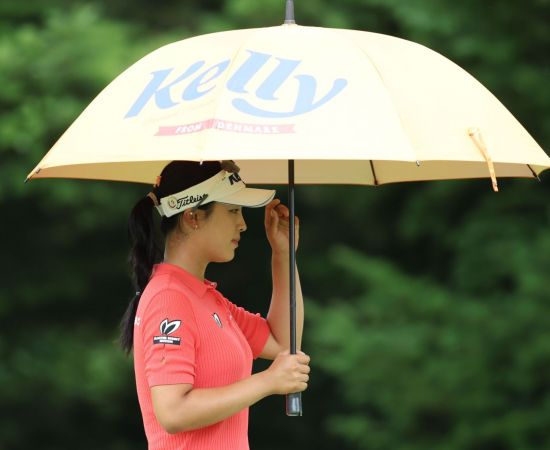
Avoid direct exposure to the scorching sun as much as possible. Prolonged exposure to heatwaves can cause dizziness and other symptoms. Above all, wisdom to regulate your body temperature is necessary. During the round, avoid staying in direct sunlight and rest under trees whenever possible. Getting a frozen towel from the shade house and placing it around your neck is also effective. Excessive sweating can lead to dehydration and decreased concentration. If you are sensitive to heat, prepare a fan or mini electric fan. Don’t forget an umbrella. Using an umbrella actually reduces fatigue. It blocks not only heat but also UV rays, preventing skin burns. Hang a towel on the umbrella ribs to frequently wipe sweat and grip. Always wear a hat. Use a cap rather than a visor to protect your scalp.
Keep sunscreen in your caddie bag. Golf courses have high grass reflectivity and, along with ski resorts, are among the places with the strongest sunlight. Prepare sunscreen with a sun protection factor (SPF) over 50. Apply it thickly at first, and reapply every 3 holes considering that sweat washes it off. The back of the neck is important because you lower your head every time you putt. If sticky sunscreen is uncomfortable, there are powders, sprays, and sun sticks available. Sunglasses are equally important. They block UVA and UVB rays, reducing eye fatigue.
Wear golf wear made from UV-blocking materials. It is lightweight, comfortable, and excellent at heat dissipation. It has great elasticity and quickly wicks away sweat. Even after a long round, it keeps you comfortable. Wearing cool-feeling hand covers and UV arm sleeves is also recommended. Not only do they protect your skin, but they also allow you to showcase stylish fashion on the course. Recently, golf courses have been allowing shorts, enabling you to play more comfortably.

Bring more gloves than usual. Golfers who sweat a lot on their hands should change gloves frequently. After the monsoon, the ground becomes weaker. Be cautious when taking shots on slopes. Playing recklessly can lead to serious injuries. Setting “house rules” in dangerous areas is not a bad idea. Preventing injury comes before scoring. Rushing because of the heat will not yield the expected results. Maintain a calm “free shot routine” as usual.
In the heatwave, grip the club lower and hit the ball accurately with a three-quarter swing. Be aggressive around the green. Due to the hot and humid climate, the grass, which is vulnerable to pests and diseases, cannot be cut short. Also, sprinklers are frequently used, leaving moisture on the grass. Wedge shots directly targeting the pin are possible. The same applies to putting. Ignore minor slopes and stroke boldly enough for the ball to pass the hole.
© The Asia Business Daily(www.asiae.co.kr). All rights reserved.



















