US Economic Media Highlights China's 'Retaliatory Saving' Trend
Extreme Spending Cuts Trending on SNS
'Dazhi Saving' to Prevent Impulse Buying...Resembling 'Geojibang'
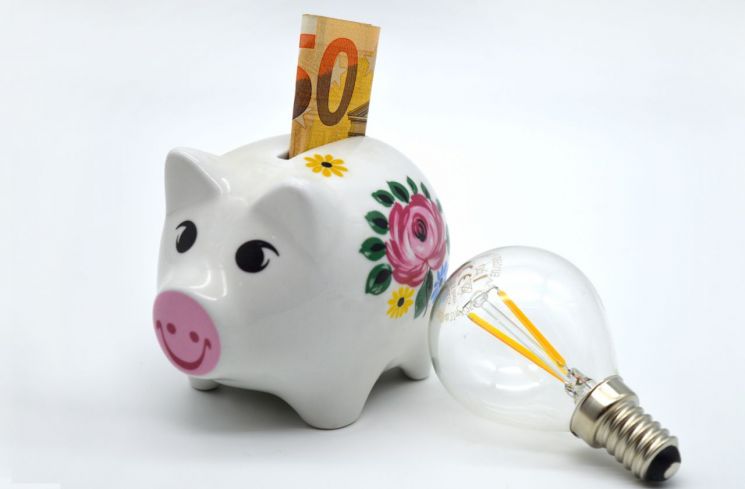
Amid the trend of 'revenge spending' that has erupted as consumers release pent-up demand following the COVID-19 pandemic, a new trend of 'revenge saving' has recently emerged among young people in China, drawing attention. On the 1st (local time), the U.S. economic media CNBC reported, "The young generation in China, which had swept the luxury market, is now postponing consumption and engaging in 'revenge saving'." They endure on less than 50,000 won per month and share their saving methods on social networking services (SNS), similar to the 'Geojibang' trend that was popular in Korea last year.
Young people in China were the originators of the term 'revenge spending,' posting on SNS about rushing to luxury department stores or buying hamburgers costing over 100,000 won after the COVID-19 pandemic.
However, recently, posts sharing ways to drastically reduce expenses have become popular. A 26-year-old Chinese woman using the ID 'Little ZaiZai' posts methods to keep monthly spending under 300 yuan (about 57,000 won). She shares tips such as visiting local elderly dining halls to enjoy fresh meals at low prices, reducing daily food expenses to 10 yuan (about 1,900 won).
The 'Dazi (partner) saving' method, where several people gather to help each other stick to saving goals, is also popular. Members share daily budgets and expenditures and prevent each other's impulsive purchases, similar to 'Geojibang.' The 'Dazi (partner) saving' hashtag first appeared last year on the Chinese SNS Xiaohongshu, and according to data analysis company NewsRank, it has been recorded 1.7 million times so far. On Weibo, the topic has also been viewed millions of times.
The spread of 'revenge saving' is attributed to chronic job shortages. Additionally, with the recent freezing of the Chinese economy, people are reducing consumption and obsessing over saving to prepare for an uncertain future. Jia Miao, an assistant professor at New York University Shanghai Campus, explained, "It is natural for people to refuse consumption. Young people have realized that it is difficult to find jobs or increase income, so they have no choice but to save money."
© The Asia Business Daily(www.asiae.co.kr). All rights reserved.
![From Hostess to Organ Seller to High Society... The Grotesque Scam of a "Human Counterfeit" Shaking the Korean Psyche [Slate]](https://cwcontent.asiae.co.kr/asiaresize/183/2026021902243444107_1771435474.jpg)
















