Various Causes Such as Menstrual Hormone Changes and Mastitis
Monthly Self-Exams... Actively Utilize National Cancer Screenings
One of the common conditions that occur in women is 'breast pain' (mastalgia).
As the term suggests, it refers to pain felt in the breast, and the nature of the pain can vary. Generally, it may feel like tingling, aching, stabbing, or pricking sensations.
Some even describe it as feeling like being stabbed with a knife or needle. Most patients become anxious when experiencing breast pain, worrying that it might be breast cancer.
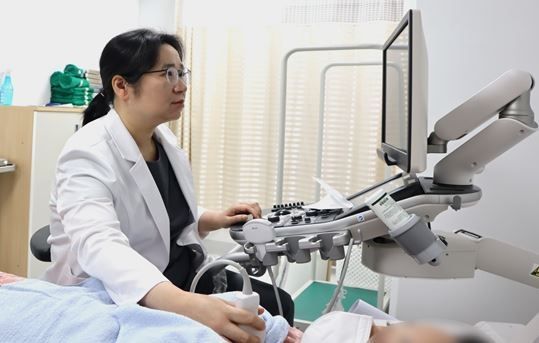
▲Causes
Breast pain can occur due to various causes, with hormonal changes being identified as a major factor. In addition, medications or foods that affect the autonomic nervous system and peripheral blood vessels, excessive caffeine intake, smoking, and stress can also contribute. Among diseases, infectious lesions such as mastitis, cystic diseases, tumors, and vasculitis can trigger breast pain.
Most cases of breast pain are temporary or due to functional changes and can improve within a few weeks without special treatment. However, it is important to know when it is harmless and when it may indicate a breast disease (such as breast cancer) that requires examination.
▲Temporary and Harmless Cases
Kwak Heesook, Chief of Breast Surgery at Centum General Hospital, said that breast pain is generally considered temporary and harmless in the following situations: “First, when the pain is related to the menstrual cycle.
During the menstrual cycle, changes in hormone levels can cause breast pain. This type of pain usually occurs before menstruation and is relieved once menstruation begins.
Next, breast pain can be caused by pregnancy, breastfeeding, trauma, or muscle tension. As the breasts enlarge during pregnancy, pain may occur, but this is temporary and not a serious problem.
▲Cases Suggestive of Breast Disease
Kwak explained that in the following cases, it may indicate breast disease, and it is necessary to consult a specialist and undergo examination.
The first is when the pain persists for more than a few weeks or recurs periodically.
The second is when a lump or nodule is found in the breast. This can be a sign of various breast diseases, including the possibility of breast cancer. In particular, if a lump is detected, it is important to carefully observe its size, shape, and texture, and undergo further examination.
The third is when other symptoms such as swelling, fever, or changes in discharge accompany the pain. This can also be a sign of breast disease. A particularly important warning sign is when a lump is felt in the breast along with pain. In such cases, prompt examination is necessary to differentiate conditions such as breast cancer.
Kwak Heesook, Chief of Breast Surgery at Centum General Hospital, emphasized, “In cases of cyclical breast pain, it is considered normal if discomfort such as heaviness, fullness, or tenderness in the breast starts a few days before menstruation and disappears as menstruation ends. However, if the discomfort lasts for more than a week or interferes with daily life, you should seek medical help. If the pain is severe even with light stimulation of the breast or if the pain lasts for a long time, treatment is needed.”
▲Examination Methods
When a patient with breast pain visits a doctor, it is important to provide detailed medical history, including the nature of the pain.
For example, information should include the onset and duration of the pain, its location and severity, its relation to menstruation, the degree to which daily life is affected, dietary habits, medication use, and any history of breast surgery.
Other examination methods include ultrasound, mammography, breast tissue biopsy, and fine-needle aspiration cytology. If no specific mass is found during these tests, about 80% of patients improve with psychological reassurance. For those who do not improve, keeping a 'self-record' of pain patterns for about three months is recommended, along with limiting caffeinated beverages, high-fat diets, and medications that may trigger breast pain.
▲Treatment Methods
Treatment for breast pain varies depending on the cause and severity. General treatments include medication (such as pain relievers and anti-inflammatory drugs), dietary modifications (limiting caffeine and fat intake, low-salt diet), use of hormonal agents, warm or cold packs, wearing comfortable and appropriate bras, and stress management.
If breast pain persists despite all other treatments, partial or total mastectomy or breast reconstruction may be considered, but this should be decided carefully in consultation with a specialist.
Breast pain is the most common symptom among female patients visiting breast clinics, accounting for about two-thirds of all cases. About half of women who are socially active report experiencing mild breast pain.
Since many women experience breast pain before menstruation, it is often unclear when the pain or condition is pathological. However, neglecting breast pain can lead to missing the optimal time for treatment, so if you suspect a disease or notice any abnormal symptoms, it is best to consult a specialist and undergo an examination.
Kwak Heesook, Chief of Breast Surgery at Centum General Hospital, stated, “For women's breast health, it is important to check the condition of your breasts every month through self-examination. In particular, women over the age of 40 can receive mammography every two years through the national cancer screening program, so it is important to take advantage of this. Academic societies recommend even more frequent clinical examinations and mammography, once every 1 to 2 years.”
© The Asia Business Daily(www.asiae.co.kr). All rights reserved.
![Clutching a Stolen Dior Bag, Saying "I Hate Being Poor but Real"... The Grotesque Con of a "Human Knockoff" [Slate]](https://cwcontent.asiae.co.kr/asiaresize/183/2026021902243444107_1771435474.jpg)
















