Greece to Push for 6-Day Workweek Next Month
Measures to Guarantee Overtime Pay
Additional 8 Hours to Receive 40% Extra Wage
A bill allowing a 'six-day workweek' in Greece is expected to take effect from July 1. It is reported to be a desperate measure to guarantee wages by increasing the statutory working hours, as many workers doing overtime are not receiving proper compensation.
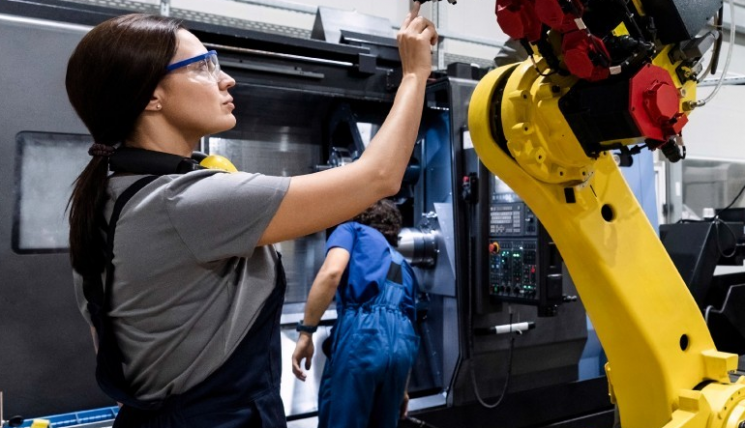
Local media such as 'Greek Reporter' reported on the 26th (local time) that the Greek parliament will implement the labor law amendment passed last year starting next month. The bill mainly expands the statutory working hours from the current 40 hours per week to 48 hours per week for 'companies providing continuous services.' As a result, Greece's statutory working hours will be extended from a five-day workweek to a six-day workweek for some companies.
So why did the Greek parliament allow longer working hours? The ruling New Democracy Party explains that it is a measure to protect workers. Currently, many service workers in Greece work beyond their scheduled hours, but their overtime pay is often not guaranteed. This is because working beyond the statutory hours is illegal under current law, leading workplaces to avoid proper reporting.
Ultimately, it was judged better to increase the statutory working hours themselves so that all workers can be guaranteed fair compensation. Therefore, the amended labor law requires employers to pay an additional 40% wage to employees for the extra 8 hours of work secured.
However, concerns are growing that the amendment may not function properly. There is criticism that a culture of 'working longer hours' may take root as working hours effectively increase.
Additionally, Greece already has one of the longest working hours among developed countries. According to OECD statistics, Greece's average annual working hours per person in 2022 was 1,886 hours, ranking 7th among OECD countries.
Compared to South Korea, which ranked 5th that year with 1,901 hours, the difference is only 15 hours. Compared to the European Union (EU) average working hours of 1,571 hours, which Greece is a member of, it means working 315 hours more.
© The Asia Business Daily(www.asiae.co.kr). All rights reserved.

















