One in three economists expects the Bank of Japan (BOJ) to finalize the scale of its government bond purchase reduction in July and simultaneously implement an interest rate hike. Meanwhile, around 40% of respondents believe that an interest rate increase will only be possible in October, after the bond purchase reduction has been fully initiated.
According to a survey of economists released by Bloomberg on the 26th, 33% of respondents said the BOJ would raise its benchmark interest rate at the Monetary Policy Meeting scheduled for July 30-31. Earlier, when the BOJ announced that it would finalize the details of the bond purchase reduction in July during this month's meeting, the market widely assessed that the possibility of a simultaneous rate hike at that meeting was low. However, recent inflation indicators such as the Consumer Price Index (CPI) exceeding expectations have drawn attention to the possibility of a simultaneous move in July.
Ayako Fujita, Chief Economist for Japan at JP Morgan, analyzed, "Finalizing the details of the bond purchase reduction will not constrain the decision to raise rates in July," adding, "As inflation risks become evident, the cost of maintaining an excessively accommodative policy is also increasing."
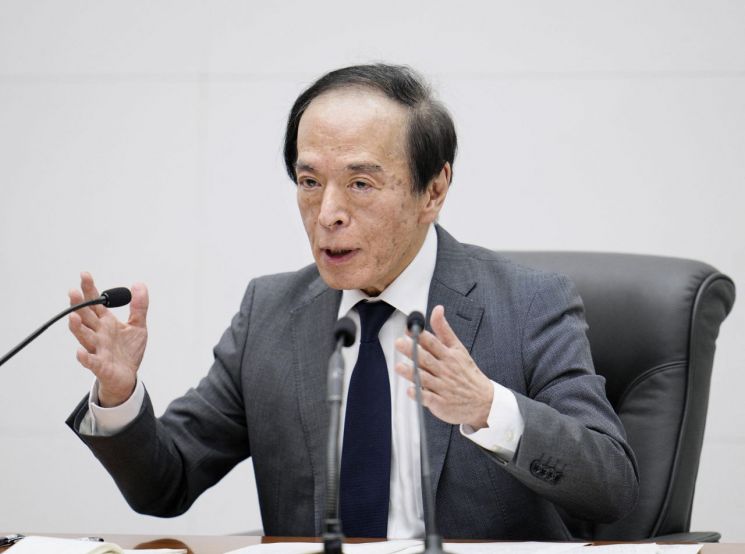
BOJ Governor Kazuo Ueda has also indicated in parliament that if economic indicators support it, the BOJ could raise rates as soon as the next meeting in July. The news agency reported, "These remarks align with the tone of nine committee members reflected in the June meeting minutes, where rate hikes were actively discussed," and added, "Regardless of the July decision, market volatility may increase ahead of the meeting."
However, the largest share of economists in this survey identified October as the timing for an interest rate hike. The proportion expecting a rate increase in October rose from 33% in the previous survey to 42% this month. In another poll conducted last week after the BOJ’s bond purchase reduction policy was disclosed, the October hike outlook was also around 41%.
At the June meeting, the BOJ decided to keep the current benchmark interest rate at 0?0.1% and reduce the monthly long-term government bond purchases, which had been around 6 trillion yen. The scale and pace of the reduction will be finalized at the July meeting after consulting market participants. When a central bank reduces bond purchases, it typically leads to higher market interest rates and currency appreciation. Currently, the market expects that the authorities, having described the reduction as "substantial," may cut the monthly purchase amount by more than 1 trillion yen.
© The Asia Business Daily(www.asiae.co.kr). All rights reserved.

















