Multiple hardships including labor costs for ingredients
Ramen specialty stores face record-high closures
Must repay COVID-19 loans as well
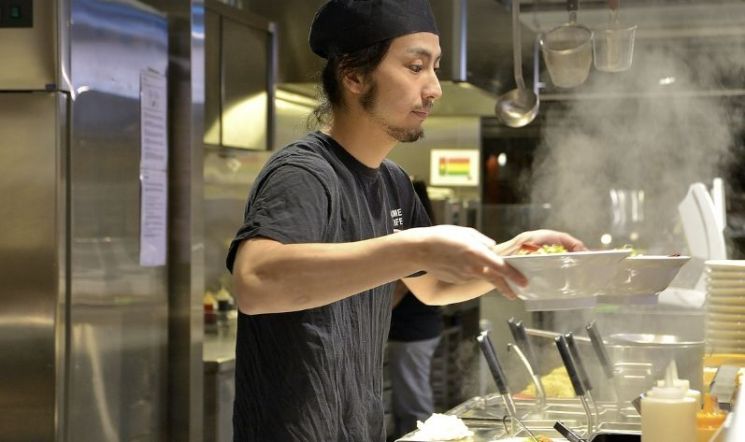 Appearance of a ramen specialty restaurant unrelated to the content of the article [Photo source=Pixabay]
Japan's "national food," ramen, is facing a crisis. Japanese media outlets are reporting one after another about the bankruptcy and closure of ramen specialty shops. The ramen shops are struggling due to soaring fixed costs such as food ingredients and labor, as well as the time to start repaying loans taken out during the COVID-19 pandemic. On top of this, consumers are psychologically resistant to price increases for ramen, resulting in multiple hardships.
On the 19th, "Pinsuba News," operated by Futabasha Publishing in Japan, highlighted the crisis of ramen by reporting that a famous ramen chain decided to close six stores in Tokyo. In 2023, there are 16,200 ramen specialty shops in Japan, exceeding pre-pandemic levels and reaching saturation. According to a Tokyo Chamber of Commerce survey, in 2023, 45 ramen shops went bankrupt with debts exceeding 10 million yen (87 million KRW), and 29 ramen shops faced suspension, closure, or dissolution, all the highest numbers in the past 15 years. Tenkaippin, which has over 200 stores nationwide, decided to close six stores in Tokyo as of June.
Experts analyze that the direct hit from rising fixed costs such as food ingredients, water bills, and electricity charges, as well as labor costs, is the main cause. Especially given the nature of the ramen market, which consists mostly of individually operated or small chain shops, raising prices is difficult, making it hard to resolve management difficulties. Interest-free and unsecured loans received during COVID-19 must also be repaid starting in 2023. Experts say, "The psychological price ceiling for ramen is 700 yen (6,100 KRW), and if it exceeds 800 yen (7,000 KRW), ramen is considered a luxury food rather than a national dish in Japan." Adding various toppings to ramen easily pushes the price beyond 1,000 yen (8,700 KRW). Most restaurants categorize prices as 400 yen, 800 yen, or 1,000 yen, but charging over 1,000 yen inevitably becomes a burden.
One expert said, "Ramen shops are easy to start with low costs, but competition is fierce," and predicted, "With the added burden of loan repayments on top of rising ingredient, labor, and fixed costs, bankruptcies among ramen shops will increase."
© The Asia Business Daily(www.asiae.co.kr). All rights reserved.

















