Incheon City is establishing an institutional foundation for the operation of autonomous vehicles.
The city announced on the 13th that it plans to submit the "Ordinance on the Operation and Support of Autonomous Vehicle Pilot Zones" to the city council this month. Previously, the Ministry of Land, Infrastructure and Transport designated four areas in Incheon (Guwol, Songdo, Yeongjong, and Incheon Airport) with a total road length of 35 km as autonomous vehicle pilot zones at the end of last year.
The newly enacted ordinance includes administrative and financial support for autonomous vehicle transportation businesses, standards for limited transportation licenses for passenger transport businesses, and public-private cooperation and support for the development of the autonomous vehicle industry.
Once the ordinance is implemented in the second half of this year, the city plans to pilot an autonomous shuttle bus in one of the three pilot zones, excluding the Incheon Airport zone where Incheon International Airport Corporation is conducting demonstration projects. Subsequently, autonomous vehicle demonstrations will be conducted in the remaining two pilot zones, and plans to link or replace route buses will also be pursued.
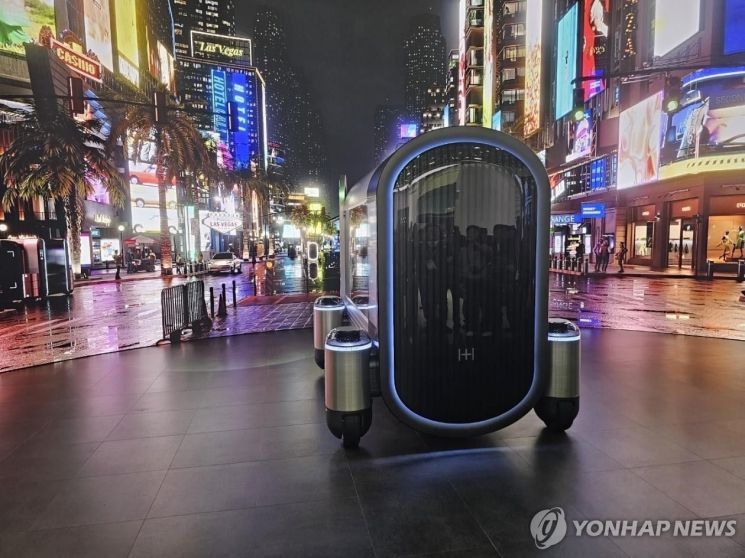
The city also intends to strengthen its cooperation system with the Autonomous Driving Technology Development Innovation Project Group (KADIF), established with the goal of laying the foundation for converged Level 4+ autonomous driving by 2027. Level 3 autonomous driving minimizes driver intervention and requires it only in emergencies, while Level 4 signifies nearly complete autonomous driving.
An official from Incheon City stated, "Taking this ordinance enactment as an opportunity, we will strengthen cooperation with KADIF and the Incheon Research Institute to do our best to make Incheon a leader in the autonomous driving industry."
Meanwhile, autonomous vehicle pilot zones refer to areas where various regulatory exemptions are applied to promote research and pilot operation of autonomous vehicles.
Private autonomous vehicle companies can use autonomous vehicles to transport passengers and cargo for a fee within these zones, and when granted temporary operation permits, they can receive regulatory exemptions to implement various autonomous driving demonstration services suitable for their business purposes.
© The Asia Business Daily(www.asiae.co.kr). All rights reserved.

















