Active Early Response to 'Isolation and Seclusion' Difficult to Escape Once Started
Nowon-gu Strengthens Youth Support System, From Early Detection to Aftercare of Isolation and Seclusion
Supports Social Reintegration with Customized Assistance Including 1:1 Professional Case Manager Assignment, Parent Coaching, and Peer Group Small Programs
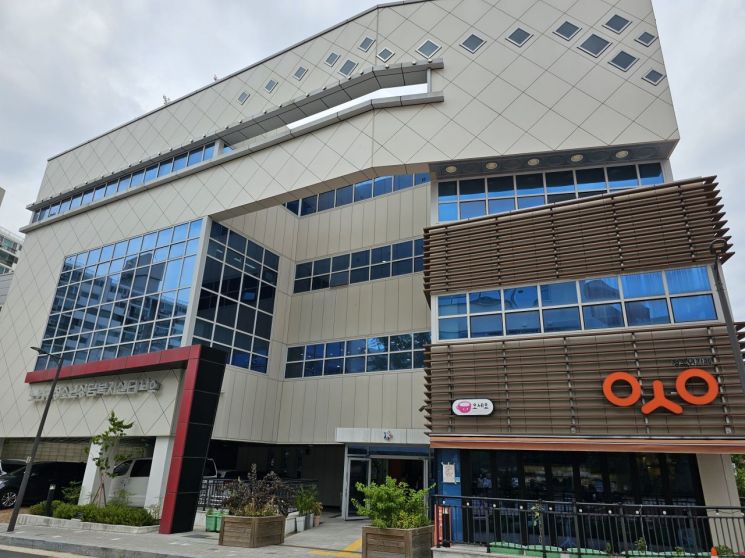
Nowon-gu, Seoul (Mayor Oh Seung-rok) announced that it will implement a one-stop package support project to help reclusive and isolated youth recover and reintegrate into society.
The number of reclusive and isolated youth, which has been steadily increasing recently, face difficulties in interpersonal relationships and academics, posing a high risk of dropping out of school. They are also likely to experience emotional and psychological problems, making early intervention crucial.
In particular, before COVID-19, the incidence rate of hikikomori (reclusive youth) was less than 1%, but it surged to 2.15% in 2021. This has drawn social attention and highlighted the need for support for isolation and reclusion across all generations.
The youth population in the district reaches about 84,000, ranking third in Seoul, with 636 identified as out-of-school youth.
Accordingly, the district has officially launched the support project in collaboration with the Nowon-gu Youth Counseling and Welfare Center to help reclusive youth reintegrate into society. Since 2013, the center has included hikikomori youth as at-risk youth and has been conducting case management. Last year, professional interventions were provided for the targeted youth and their guardians.
Starting this year, the project will be more systematized and supported through a one-stop package. The newly launched reclusive youth support project proceeds in the order of ▲identification of reclusive youth ▲initial counseling ▲customized service support ▲follow-up management.
First, to facilitate early identification of reclusive youth, teachers and staff at various schools will be guided on the importance of early detection and how to connect cases when discovered. Early signs of reclusion, such as long-term absenteeism and living alone without peer interaction, will be presented along with case examples.
When reclusive youth are identified through related organizations, the 1388 Youth Hotline, Dream Start, and other channels, initial counseling is conducted immediately with consent, assessing risks and establishing individualized support plans.
Once support recipients are determined, a professional case manager is assigned on a 1:1 basis to build trust through continuous and long-term counseling and to provide full support. Depending on the individual's characteristics, support includes recovery of basic daily life skills (sleep, hygiene, tidying up), psychological testing and treatment, and basic learning assistance. If necessary, small group programs among peers are organized to expand interpersonal contact and foster social relationships, and social reintegration support programs are conducted with families. Parental support includes parent education and coaching by professional instructors, as well as psychological recovery and case management processes for parents.
So far, the district has established various youth safety systems by operating not only the Youth Counseling and Welfare Center but also the Out-of-School Youth Support Center Dream, the commissioned alternative school Now, the Youth Safety Net Integrated Support Center where district office, police, education office, and counseling welfare personnel work together to jointly respond to youth crises, and the Youth Sexual Counseling Center.
Kim Jin-sun, director of the Nowon-gu Youth Counseling and Welfare Center in charge of the project, emphasized the necessity of the support project, saying, “Compared to the Gangnam area where many out-of-school youth leave for reasons such as studying abroad, Nowon has a higher proportion of youth due to maladjustment. Early intervention is urgently needed to prevent them from becoming reclusive and isolated.”
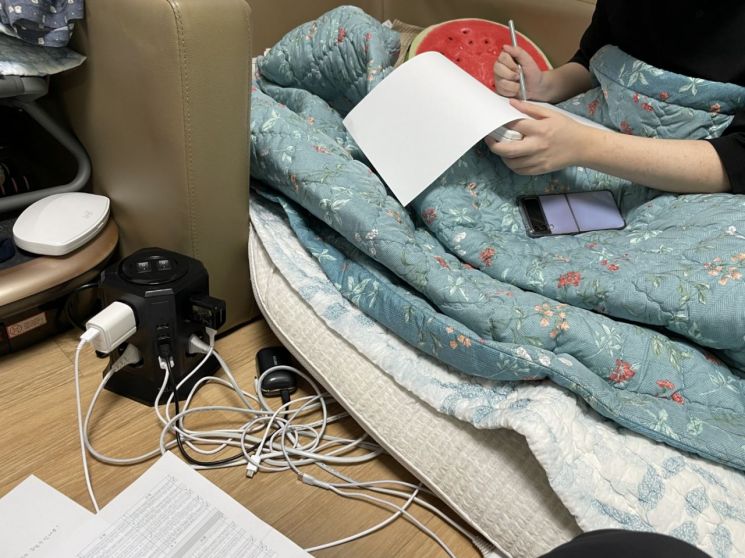
Oh Seung-rok, Mayor of Nowon-gu, said, “Statistics show that the incidence rate of reclusion is high among people in their 20s, but research indicates that the causes of reclusion accumulate before the age of 19,” adding, “We will resolve the various difficulties underlying the reclusive state of youth through systematic community interest and support.”
© The Asia Business Daily(www.asiae.co.kr). All rights reserved.


















