Trade War Between the US, EU, and China Expands to Emerging Countries
Turkey has decided to impose an additional 40% tariff on imported vehicles from China, major foreign media reported on the 8th (local time).
This decision was made by the President of Turkey, published in the official gazette on the same day, and will take effect from July 7th.
Additionally, a minimum additional tariff of $7,000 (approximately 9.67 million KRW) per vehicle has been set. If the 40% additional tariff calculated based on the price of the imported Chinese vehicle is less than $7,000, a $7,000 tariff will be applied.
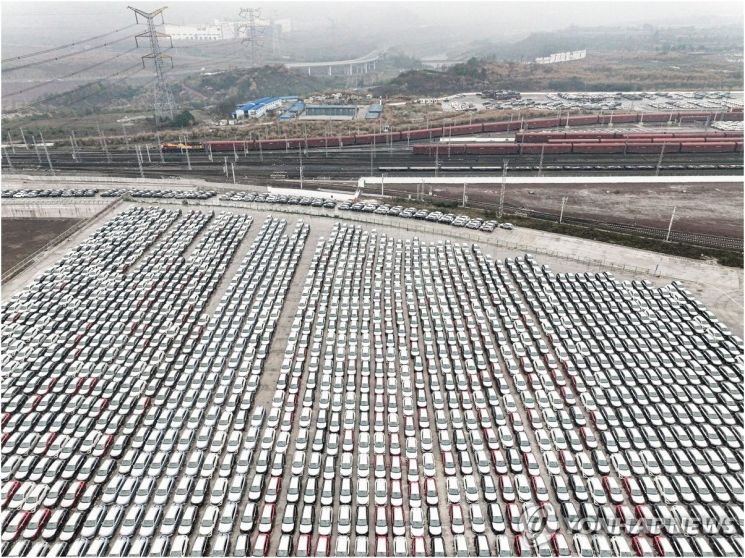
In 2023, Turkey imposed additional tariffs on Chinese electric vehicles and introduced some regulations related to electric vehicle maintenance and services.
.
This measure comes amid the ongoing trade war between the United States and the European Union (EU) against China, with the frontlines expanding to emerging countries.
The United States has stated that the global economy is seriously threatened by China's oversupply and is pressuring China to curb overproduction while seeking joint responses with the EU.
The U.S. administration led by President Joe Biden announced last month an increase in tariffs on $18 billion (approximately 24.6 trillion KRW) worth of Chinese imports, including steel, aluminum, semiconductors, electric vehicles, and solar panels, criticizing China's overproduction and unfair trade practices.
The European Commission, the EU's executive body, has also announced plans to impose high tariffs on Chinese electric vehicles as part of its anti-subsidy measures.
In this situation, there are concerns that the rapid increase in exports of low-tech Chinese products such as steel and animal feed may provoke backlash from other trading countries, including those in Southeast Asia.
© The Asia Business Daily(www.asiae.co.kr). All rights reserved.