City Symbolizing 20th Century US Manufacturing Faces Bankruptcy
Surprisingly, Population Increased Last Year for First Time Since 1957
Capitalists and Companies from Detroit Step Up to Invest
Efforts to Attract Businesses and Build Infrastructure Underway
Detroit, which had transformed from the "symbol of 20th-century American manufacturing" into the "symbol of decline" as a deteriorated Rust Belt city, is coming back to life. Billionaires and corporations are pouring massive funds into Detroit, where finances were so tight that streetlights could not be turned on and crime was rampant, revitalizing the city.
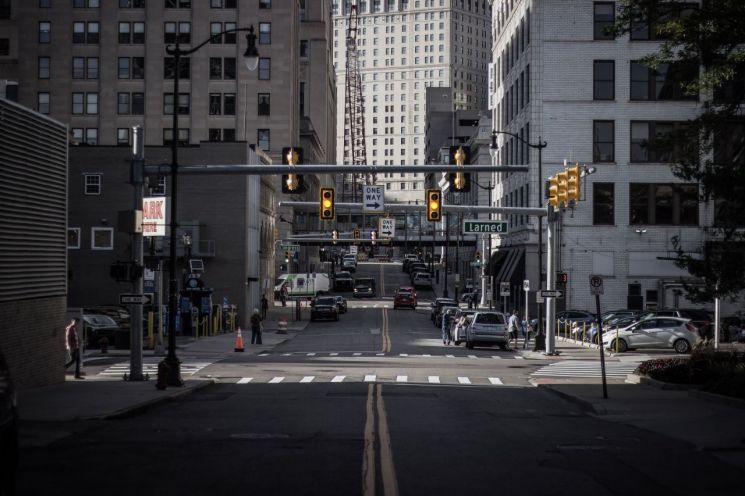
Bloomberg reported that Detroit's population increased for the first time in over 60 years since 1957, indicating that Detroit is reviving. From July 2022 to July 2023, Detroit's population grew by 1,852 people, reaching a total of 633,218. In the 20th century, Detroit was a major city leading the U.S. economy based on the automobile industry, but it declined in the 21st century due to fuel-efficient Japanese cars and cheap Chinese labor, and even filed for bankruptcy in 2013.
The figures driving Detroit's revival are billionaire Dan Gilbert, the iconic American automaker Ford, and the Ilitch family, operators of a pizza chain. Gilbert, a Detroit native and founder of the financial institution Rocket Mortgage, along with Ford and the Ilitch family, who have headquarters in Detroit, have formed a kind of urban reconstruction alliance based in Detroit.
Bloomberg stated, "The scale of their investments in Detroit amounts to billions of dollars," and "Gilbert, Ford, and the Ilitch family own 70% of the office space in downtown Detroit." As companies like Amazon and Microsoft (MS) relocate their offices from Detroit's outskirts to downtown, office spaces are gradually filling up with workers.
Billionaire 'Detroit Native' Who Gathered Real Estate After the Financial Crisis
The first person to take the lead in saving Detroit was Gilbert. In 2007, Gilbert, whose company was headquartered in Livonia, a suburb of Detroit, decided after meetings with his staff to move downtown. Although downtown Detroit was in a dilapidated state with inadequate police management, no streetlights, and insufficient snow removal facilities, Gilbert secured office space in 2010 and moved with 1,500 employees.
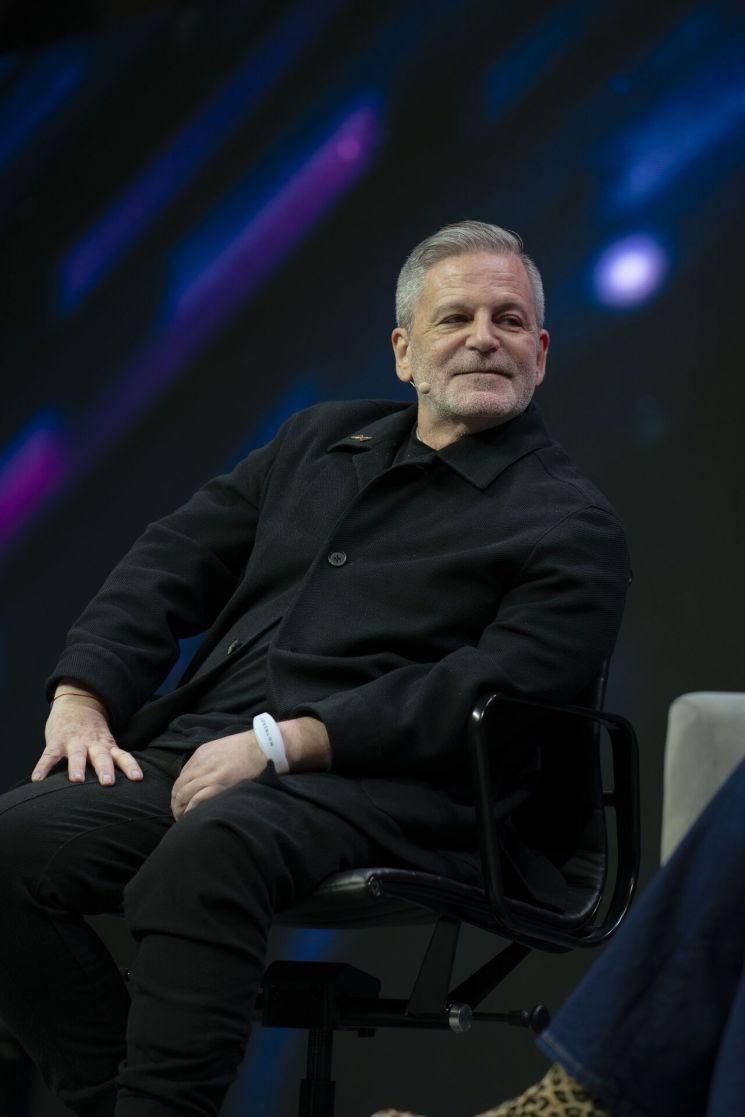
Around this time, Gilbert began purchasing Detroit real estate one by one. The global financial crisis was gradually easing, but most offices were vacant or needed remodeling, so he bought them cheaply, according to Gilbert. However, despite the low prices, the city's poor condition meant financial institutions often refused to provide loans for property purchases, so Gilbert sometimes bought properties in cash.
Currently, Gilbert owns 131 properties in downtown Detroit. Of these, 90% are leased out, and 34% are used as offices for his own companies, employing 20,000 workers. Gilbert also persuaded General Motors (GM), an automaker based in the Detroit suburbs, to relocate some of its operations downtown.
Gilbert said, "We believed that once we moved downtown, others would follow," and added, "Detroit now has an energy that it never had before."
Ford Completely Remodels Train Station Once Filled with Homeless People... Infrastructure Upgraded
Another billionaire who took notice of Gilbert's moves was Stephen Ross, a real estate mogul from Detroit who achieved great success in New York. Although Detroit had always sought his help, Ross had previously declined, saying "the time was not right."
About ten years after Gilbert began Detroit's reconstruction, around 2019, Ross felt the investment risk was relatively lower and started investing in Detroit for the first time. Judging that creating talent and jobs was important, he signed an initial agreement with Gilbert to secure space for building the University of Michigan Innovation Center.
However, after Gilbert withdrew from the investment due to health issues shortly after the agreement, Ross approached the Ilitch family, who were based in the area. The Ilitch family, who had an interest in the entertainment business, built baseball and basketball stadiums downtown with Ross. This foundation attracted other capitalists, leading to additional investments.
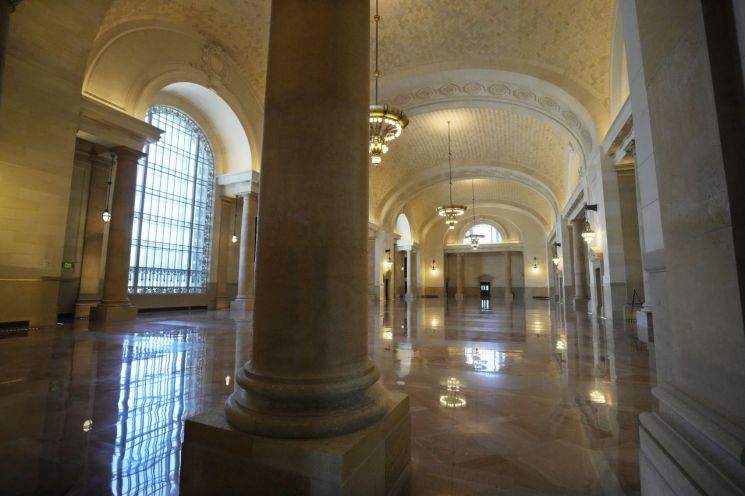
At the same time, Ford, a key company in Detroit, has rolled up its sleeves and focused on urban reconstruction. Ford acquired Michigan Central Station in Corktown, Detroit's old district, and renovated it into a space with restaurants and offices. The building, which had broken windows and exterior walls and was filled with homeless people, symbolizing decline, was completely transformed into a new building. The space will be used by employees of Ford, Alphabet, Google, and others.
However, it is still too early to say that Detroit has regained the "boom period" it enjoyed in the 20th century. The poverty rate stands at 30%, three times the national average, unemployment increased in April, and although the crime rate has somewhat decreased compared to before, it remains among the highest in the U.S. Bloomberg reported that perceptions of Detroit have not yet fully improved.
Randall Book, Vice President of real estate investment firm Colliers, said, "Detroit is at a critical point," and pointed out, "While 3 to 4 local investors have poured investments to revive the city, improving the community and education system is necessary to attract additional companies."
© The Asia Business Daily(www.asiae.co.kr). All rights reserved.



















