The livelihood economy is struggling.
With the global inflation impact and rising domestic agricultural product prices due to climate change, the economy of ordinary citizens is very difficult.
Accordingly, Seoul's autonomous districts have prepared supplementary budgets to recover the livelihood economy and establish social welfare networks.
Attention is focused on how much budget investment in regional development will contribute to revitalizing the local economy.
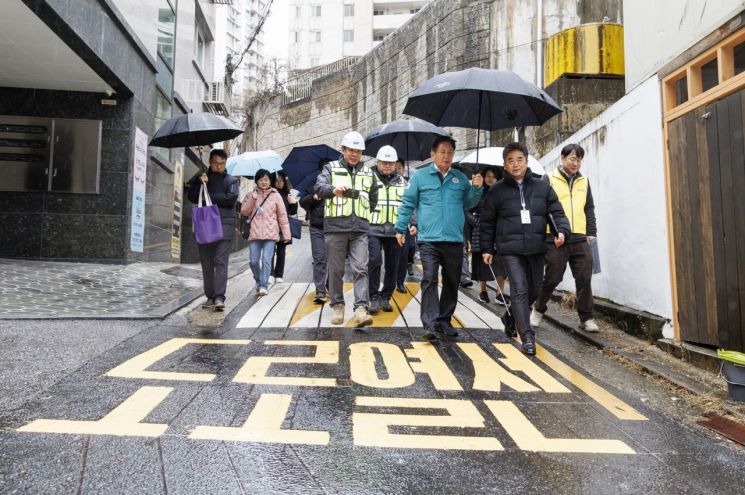
Mapo-gu prepares first supplementary budget of 48 billion KRW... Accelerating Rooted Welfare
Mapo-gu (Mayor Park Gang-su) has prepared the first supplementary budget for 2024 amounting to 47.97899 billion KRW and submitted it to the Mapo-gu Council.
This amount is 5.6% of the 2024 original budget of 847.78946 billion KRW, and if passed as is, the total budget will be 895.76845 billion KRW.
This supplementary budget focuses on realizing rooted welfare that permeates the lives of everyone from children to the elderly, revitalizing the local economy, and improving the urban environment at the turning point of the 8th elected term under the slogan "New Mapo, Better Mapo."
Mapo-gu allocated 350 million KRW for the construction of a Anyone Movement Center, 252 million KRW for the design plan of a tentatively named Disabled Welfare Town, 275 million KRW for the operation and establishment of a Babysitter House, and 6.61 billion KRW for the construction of resident convenience facilities to create a society where everyone can live well without marginalized neighbors.
Additionally, aiming for balanced economic development across the entire Mapo-gu area from Sangam-dong to Gongdeok-dong, 1.9 billion KRW was allocated for the installation of a scenic waterfall at World Cup Stream, 1 billion KRW for the environmental maintenance of Hongik Cultural Park, and 100 million KRW for the development of the Mapo Circular Train Bus app.
To create a clean and safe urban environment, 1.05 billion KRW was allocated for installing road heating cables in snow removal vulnerable sections, 450 million KRW for detailed safety inspections of non-statutory road facilities, and 700 million KRW for environmental improvement works on Seongsan Stream and World Cup Stream.
Mapo-gu also invested a total of 8.08 billion KRW in national and city subsidies to respond to various resident demands.
Mayor Park Gang-su of Mapo-gu said, "This budget maintains the original budget's policy direction of walking with the vulnerable, revitalizing tourism, and ensuring residents' safety, while focusing on essential and urgent projects for Mapo's development. Once the supplementary budget is approved, we will promptly proceed with projects and carry out proactive administration that residents can feel."
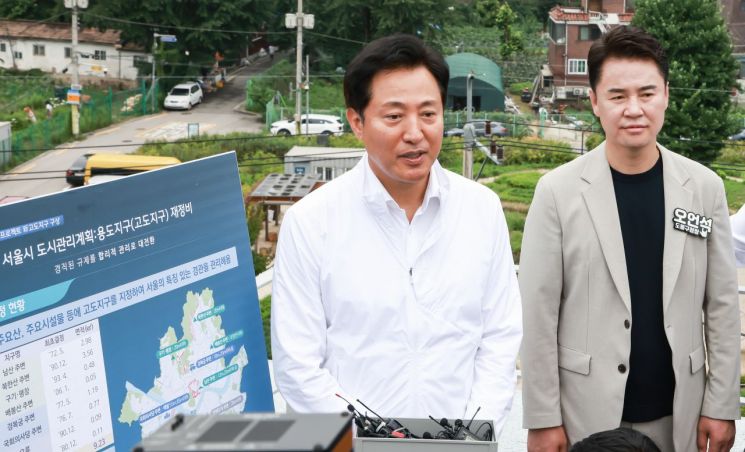
Dobong-gu prepares first supplementary budget of 67.8 billion KRW for 2024
Dobong-gu (Mayor Oh Eon-seok) submitted the first supplementary budget of 67.8 billion KRW to the district council. If passed as is, the total budget for Dobong-gu this year will be 926.7 billion KRW.
The supplementary funds were secured through the 2023 fiscal year settlement surplus, national and city subsidies, and adjustment grants.
This supplementary budget aims to actively respond to administrative demands arising from internal and external environmental changes after the original budget was set, and to ensure that key issues and priority projects proceed swiftly and without disruption amid unstable economic conditions caused by high inflation and economic slowdown.
An official from the district explained, "We reallocated funds from non-executable and unnecessary projects to reinvest in current projects, thereby improving fiscal efficiency."
First, the district will invest a total of 9.1 billion KRW to build a dense social safety net. For the Dobong-type senior job project providing sustainable jobs regardless of income to 500 seniors aged 60 and over, 850 million KRW was allocated. For expanding meals at senior centers from 2.5 days per week to 5 days, 290 million KRW was assigned. Budgets were also allocated for longevity celebration gifts for centenarian seniors and for training senior exercise coaches and operating health programs at senior centers to support healthy and active aging.
To address low birth rates, 700 million KRW was allocated for infant care fees and parental allowance support, 1.4 billion KRW for childcare staff salaries and welfare improvements, and 460 million KRW for daycare center operation support. Budgets were also assigned for Seoul-type kids cafes and the operation of the Choan Kkum Maru children's cafeteria, which opened in April, to eliminate care blind spots.
For livelihood stabilization and regional revitalization, a total of 1.8 billion KRW was allocated. This includes 1.6 billion KRW for the Seoul Companion Job Project targeting low-income vulnerable groups, 58 million KRW for facility management of traditional markets and shopping districts, and 75 million KRW for issuing Dobong Love mobile gift certificates worth 1.3 billion KRW. Project funds were also reflected for supporting small business owners in sewing, clothing, and four major industries, as well as workplace improvements for platform workers to expand jobs and revitalize the local economy.
To strengthen urban competitiveness through cultural content expansion and living infrastructure improvement, a total of 10.5 billion KRW will be invested. Of this, 1.18 billion KRW will be used for unique neighborhood festivals in Dobong-gu, discovering new cultural lectures at neighborhood community centers, operating Culture Day programs, supporting local cultural artists, and improving facilities at Darakwon Sports Park, Dobong-dong Indoor Sports Center, and Ssangmun Comprehensive Sports Center.
For securing resident safety and alleviating daily inconveniences, 9.3 billion KRW was allocated for urban infrastructure reinforcement. This includes 2.5 billion KRW for maintenance of major local infrastructure such as sewage, rivers, and roads, 600 million KRW for renovating aging children's parks, 350 million KRW for refurbishing Balbal Park, and 400 million KRW for restroom maintenance and installation at parks and Jungnangcheon Park Golf Course. An additional 1.5 billion KRW will be invested in expanding the deck road installation section along Jungnangcheon Stream to create a Dobong-gu specialty attraction.
To ensure sound and stable district finances, 25 billion KRW will be deposited into the Integrated Financial Stabilization Fund. This is to proactively prepare for uncertain economic conditions and tax revenue decreases due to the downward trend in real estate official price realization rates, and to thoroughly respond to future financial demands.
Mayor Oh Eon-seok of Dobong-gu said, "This supplementary budget focuses on protecting vulnerable groups, strengthening urban competitiveness, and stable financial management, and only includes budgets for essential projects. Once the budget is confirmed, we will promptly execute it to contribute to residents' livelihood stability and economic recovery."
The first supplementary budget submitted by the district will be reviewed and approved by the Dobong-gu Council from June 10 and finalized on June 28.
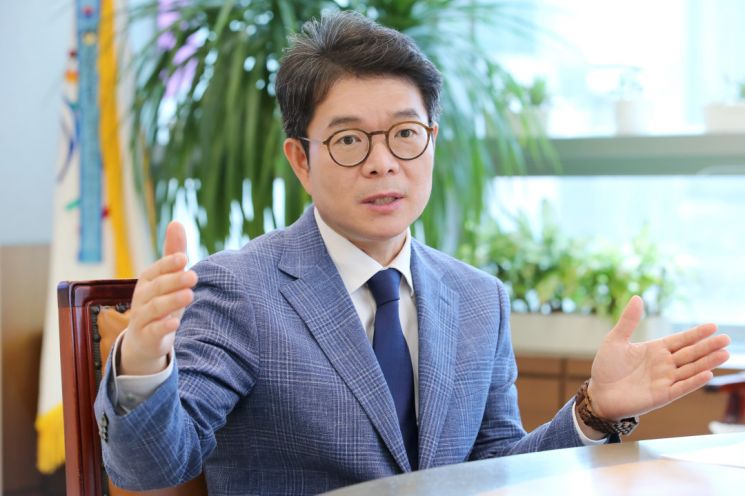
Seongdong-gu prepares supplementary budget of 42.8 billion KRW... 500 million KRW for 5-minute daily garden creation
Seongdong-gu, Seoul (Mayor Jung Won-oh) has prepared a supplementary budget totaling 42.8 billion KRW, focusing on projects closely related to residents' health, welfare, and safety.
This supplementary budget prioritizes welfare projects such as residents' health and low birthrate response, as well as resident life-oriented projects to alleviate inconveniences and improve convenience.
For residents' health, the budget includes ▲3.16 billion KRW for nationwide mental health investment support ▲2.35 billion KRW for national preventive vaccinations ▲1.56 billion KRW for rare disease patient medical expense support ▲1.5 billion KRW for chronic disease prevention and management such as hypertension and diabetes ▲810 million KRW for maternal and newborn health care support.
Budgets were also allocated for welfare projects addressing low birthrates, including ▲969 million KRW for parental allowance ▲171 million KRW for home care allowance support ▲113 million KRW for infant care fee support ▲526 million KRW for childcare staff salary support ▲114 million KRW for operating the Toy World ▲500 million KRW for livelihood benefits ▲194 million KRW for additional support for severely disabled activity assistance.
To enhance residents' daily life happiness by alleviating inconveniences and improving convenience, budgets were allocated for ▲500 million KRW for creating 5-minute daily gardens ▲200 million KRW for rooftop garden creation ▲170 million KRW for operating a companion plant clinic ▲300 million KRW for river green space maintenance ▲599 million KRW for constructing a public elderly welfare facility in Wangsimni 2-dong ▲3.714 billion KRW for supporting the operation of public sports facilities.
Additionally, budgets for resident safety include ▲623 million KRW for upgrading intelligent CCTV ▲172 million KRW for operating walking school buses ▲235 million KRW for comprehensive snow removal measures ▲175 million KRW for sidewalk maintenance ▲330 million KRW for public utility fees for road lighting ▲140 million KRW for sewage facility maintenance ▲143 million KRW for replacing and repairing aging concrete manholes ▲300 million KRW for river facility maintenance.
This supplementary budget will be reviewed and approved during the 279th Seongdong-gu Council's 1st regular session starting June 5 and finalized on June 28.
Mayor Jung Won-oh of Seongdong-gu said, "This supplementary budget focuses on residents' daily life happiness and consists of projects most closely related to residents' lives. We will do our best to provide administration that satisfies residents."
Eunpyeong-gu prepares first supplementary budget of 37.4 billion KRW
Well-structured budget preparation amid difficult financial conditions... Reflecting legally required expenses, support for socially vulnerable groups, and major pending projects
Eunpyeong-gu (Mayor Kim Mi-kyung) announced that it has prepared the first supplementary budget for 2024 totaling 1.1604 trillion KRW, an increase of 37.4 billion KRW (3.3%) compared to the original budget, and submitted it to the district council on the 21st.
The supplementary funds were secured through the fiscal year-end surplus from last year, national and city subsidies, and adjustments of expected unused expenditure budgets.
Key allocations include ▲146 billion KRW for support of socially vulnerable groups in health and welfare sectors ▲140 billion KRW for national and city subsidy refunds ▲88 billion KRW for legally mandated items due to law amendments and major pending projects.
For supporting socially vulnerable groups in the health and welfare sector, 6 billion KRW was allocated for childcare staff salaries and welfare improvements, 1.8 billion KRW for infant care fees, 1.7 billion KRW for parental allowance, and 1.3 billion KRW for disability activity support. Additionally, 500 million KRW was allocated for the Mind Investment Support Project to assist psychological counseling for mental health risk groups, helping all residents lead healthy lives.
In the legally mandated and major pending projects sector, 800 million KRW was allocated for increasing basic allowances for community leaders, and 100 million KRW for increasing council members' activity expenses.
Major pending projects include 3.4 billion KRW for purchasing land for a complex cultural facility on the registry office site and 800 million KRW for waste container operation at the Eunpyeong Metropolitan Resource Circulation Center.
To revitalize the local economy and enhance Eunpyeong-gu's brand value, 700 million KRW was allocated for a broadcasting content-utilized traditional market and alleyway commercial district revitalization project, and 76 million KRW for deploying safety security guards at neighborhood community centers to protect officials and visitors from malicious complaints.
This supplementary budget will be reviewed by the 307th Eunpyeong-gu Council's 1st regular session and finalized on June 26.
Mayor Kim Mi-kyung of Eunpyeong-gu said, "Despite the difficult financial conditions due to decreased tax revenue, we made efforts to reflect legally required expenses and budgets for livelihood economic recovery in a well-structured manner to provide stable welfare and public services. Once the budget is finalized, we will do our best to ensure the planned projects proceed without delay."
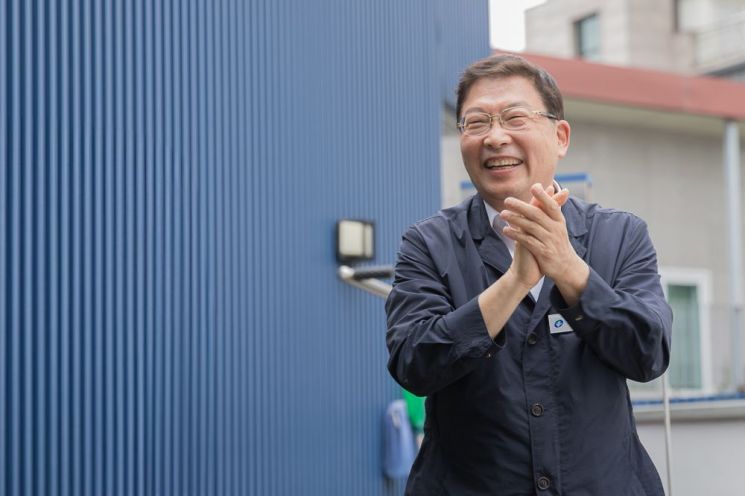
Gwangjin-gu prepares first supplementary budget of 5.8 billion KRW... Focus on residents' happiness and livelihood economy revitalization
Gwangjin-gu (Mayor Kim Kyung-ho) has prepared the first supplementary budget for this year amounting to 5.8 billion KRW and submitted it to the Gwangjin-gu Council.
This supplementary budget is 0.71% higher than the original budget of 813 billion KRW, totaling 818.8 billion KRW. It focuses on "residents' happiness" and "livelihood economy revitalization," planning to swiftly implement effective policies.
First, 1.7 billion KRW was allocated for residents' happiness projects, including ▲850 million KRW for road heating cable installation ▲350 million KRW for septic tank odor reduction device installation ▲270 million KRW for maintenance of private drainage facilities within road areas, reflecting projects necessary for residents' daily lives.
Additionally, 1.2 billion KRW was allocated to revitalize the livelihood economy, including ▲430 million KRW for traditional market support projects ▲350 million KRW for expanding the scale of the Gwangjin-type public delivery app issuance ▲260 million KRW for expanding public work projects ▲130 million KRW for supporting youth administrative interns.
Efforts will also be made to accompany the vulnerable. 250 million KRW was allocated for relocating the Jangsu Senior Center and repairing aging senior centers. Senior jobs will be expanded to improve quality of life, and free shuttle electric buses will be supported for transportation-vulnerable groups.
Furthermore, various policy projects to enhance residents' vitality will be promoted, including 290 million KRW for creating rest areas at Gwangjang-dong sports facility sites, 210 million KRW for the Gwangjin-gu Living Culture and Arts Festival, and 100 million KRW for creating an outdoor book yard at Achasan.
Also, 150 million KRW will be invested in the urban development by conducting a district unit plan revision for Gwangnaru Station area.
Mayor Kim Kyung-ho of Gwangjin-gu said, "This first supplementary budget of the year is the result of discovering customized policies that residents can feel happiness in their daily lives. We will realize a more developed Happy Gwangjin so that many residents can enjoy a better life."
This year's first supplementary budget will be finalized on June 10 after the 269th Gwangjin-gu Council regular session.
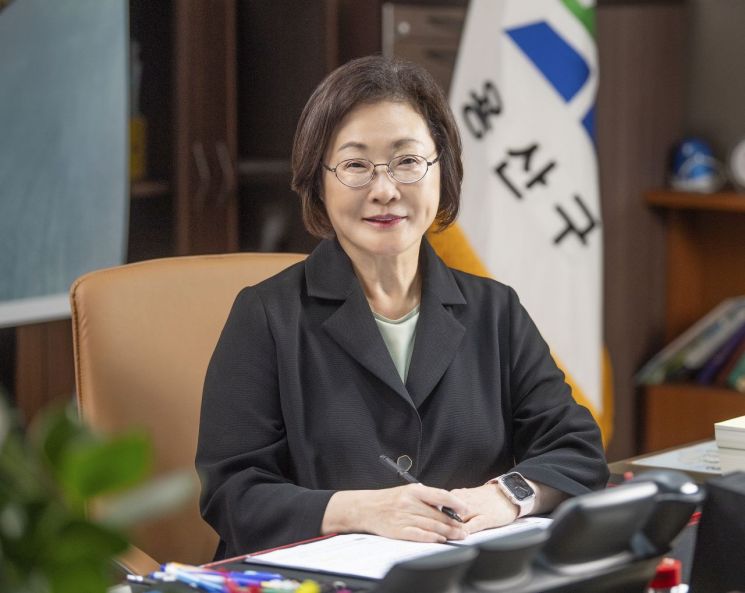
Yongsan-gu supplementary budget of 91.5 billion KRW prioritizes safety and welfare
Yongsan-gu, Seoul (Mayor Park Hee-young) will submit the first supplementary business budget for 2024 to the Yongsan-gu Council on the 22nd.
The 2024 first supplementary budget increases by 91.5 billion KRW from the original budget to 708.6 billion KRW, with the general account increasing by 89.9 billion KRW (14.82%) to 687.6 billion KRW.
The district allocated 15.7 billion KRW for disaster and safety-related budgets. This includes 3.3 billion KRW for sewer structures and rainwater inlet construction, 1.5 billion KRW for sewer pipe improvement works at four locations including around Seoul Automobile High School, and 1.2 billion KRW for installing road heating systems in winter snow removal vulnerable areas.
For social disaster and safety accident preparedness, 3.4 billion KRW was allocated for pedestrian environment improvement projects such as the Yongsan-dong Walking Street project, 1.1 billion KRW for upgrading old security lights and road lighting improvements, 400 million KRW for installing new pedestrian safety fences and repairing old fences, and 50 million KRW for replacing old elevator distribution panels.
Separately, to prevent disasters and respond quickly and actively when disasters occur, the disaster and emergency contingency reserve was increased by 42.7 billion KRW, demonstrating full commitment to resident safety.
To enhance residents' welfare, social welfare budgets include 8.1 billion KRW for livelihood and housing benefits, 2.8 billion KRW for safety environment creation and operation of the Hyochang Comprehensive Social Welfare Center, 600 million KRW for daycare center operation support, 200 million KRW for home care allowance support, and 500 million KRW for supporting elderly welfare facilities such as senior centers, welfare centers, and nursing homes.
In education, culture, and tourism, budgets include 700 million KRW for school environment improvement and informatization education infrastructure projects, 35 million KRW for supporting lifelong education vouchers for the disabled, 25 million KRW for meal support at Seoul Automobile High School, 400 million KRW for tourism content development and tourist district revitalization projects, 200 million KRW for supporting disabled sports activities, and 100 million KRW for museum exhibition operations.
In health, budgets include 2.3 billion KRW for the tentative Mind Health Center creation and Mind Investment Support Project, 60 million KRW for rare disease patient medical expense support, 56 million KRW for AI and IoT-based elderly health management projects, and 30 million KRW for emergency disinfection costs due to the full-scale relocation of Hannam 3 District, contributing to residents' health promotion.
The supplementary budget will be reviewed during the 290th Yongsan-gu Council's 1st regular session in June and finalized on June 24.
Mayor Park Hee-young of Yongsan-gu said, "This supplementary budget prioritizes residents' safety and welfare. We will be more meticulous and thorough to ensure that residents' precious taxes are not wasted."
© The Asia Business Daily(www.asiae.co.kr). All rights reserved.
![Clutching a Stolen Dior Bag, Saying "I Hate Being Poor but Real"... The Grotesque Con of a "Human Knockoff" [Slate]](https://cwcontent.asiae.co.kr/asiaresize/183/2026021902243444107_1771435474.jpg)


















