Ministry of Culture Announces Revision of 'Standard Exclusive Contract for Popular Culture'
Limiting Use of Artists' Trademark Rights to Popular Culture Arts Services
Initial Contract Period with Artists Cannot Exceed 7 Years
The use of trademark rights of artists affiliated with agencies is limited to the provision of popular culture and arts services. The initial contract period with artists cannot exceed 7 years.
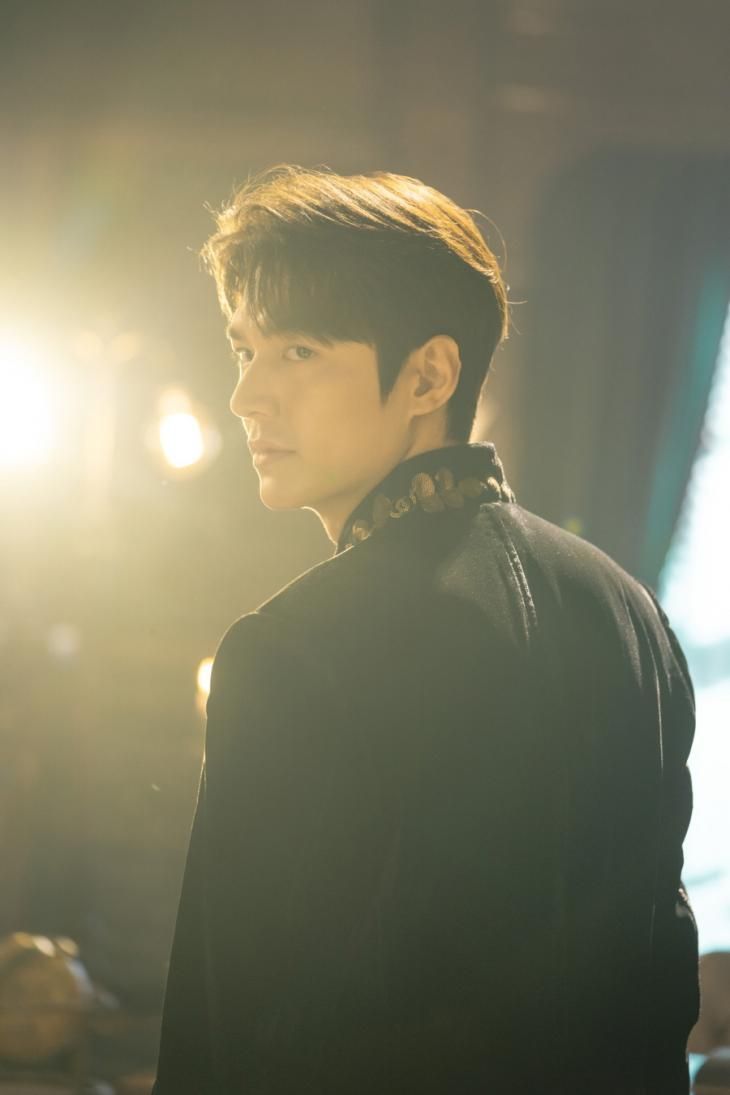 Actor Lee Min-ho won a lawsuit claiming damages against a cosmetics company that manufactured and sold mask packs bearing his face and name, as well as the drama production company.
The Ministry of Culture, Sports and Tourism announced two revised versions of the "Standard Exclusive Contract for Popular Culture Artists" (for singers and actors) on the 3rd. These standards were prepared through eight meetings with agencies and artists. The aim is to protect the rights of popular culture artists and promote a virtuous cycle between agencies and artists through fair contracts.
Yoon Yang-soo, Director of the Content Policy Bureau at the Ministry, said, "We focused on resolving difficulties raised by the industry and points where actual disputes frequently occur," adding, "We hope that the revision will reduce potential conflicts between contracting parties and establish a mature contract culture based on mutual respect."
The revision was established by analyzing various dispute cases and issues related to management contracts. The key points are ▲ attribution of intellectual property rights such as copyright and publicity rights (exclusive rights to control the commercial use of economic benefits or value derived from one's image, voice, name, etc.) ▲ management authority and artist obligations ▲ settlement and profit distribution ▲ reduction of tampering (pre-contact during exclusive contract period) incentives.
Going forward, agencies will not be able to abuse artists' trademark rights, even after the contract ends. Trademark rights transfer can be determined separately for artists who have activities as part of a group and as individuals. Agencies retain exclusive rights to use publicity rights during the contract period. However, it is clarified that these rights fundamentally belong to the artists.
The exclusive contract period remains at 7 years. However, the initial contract period cannot exceed 7 years, and any extension must be agreed upon in writing. Previously, contract periods exceeding 7 years were possible, and contracts could be terminated at any time after 7 years.
The revision also includes provisions emphasizing mutual trust. Agencies must consider the mental and physical condition of artists when performing popular culture and arts services. They cannot force schedules against the explicit will of the artists. Artists, in turn, must not refuse to provide services or make unreasonable demands to agencies without just cause.
The Ministry lowered the expected profits that trigger tampering. The prohibition period for remaking and selling content such as music produced by the former agency was extended from 1 year to 3 years. Additionally, the settlement period for sales generated after the contract ends must be specified to prevent settlement disputes in advance.
The previously debated definition of youth was unified as "under 19 years old" according to the Youth Protection Act. The permissible service provision hours follow laws such as the Popular Culture and Arts Industry Development Act. A Ministry official explained, "We ensured effectiveness by prioritizing the application of the 'Standard Supplementary Agreement for Youth Popular Culture Artists' in related protection provisions."
© The Asia Business Daily(www.asiae.co.kr). All rights reserved.
![User Who Sold Erroneously Deposited Bitcoins to Repay Debt and Fund Entertainment... What Did the Supreme Court Decide in 2021? [Legal Issue Check]](https://cwcontent.asiae.co.kr/asiaresize/183/2026020910431234020_1770601391.png)
















