The National Health Insurance Service (NHIS) will increase the medical service fees it pays to healthcare institutions by 1.96% next year. Accordingly, the medical expenses paid by patients will also rise slightly. This may also lead to an increase in health insurance premiums next year.
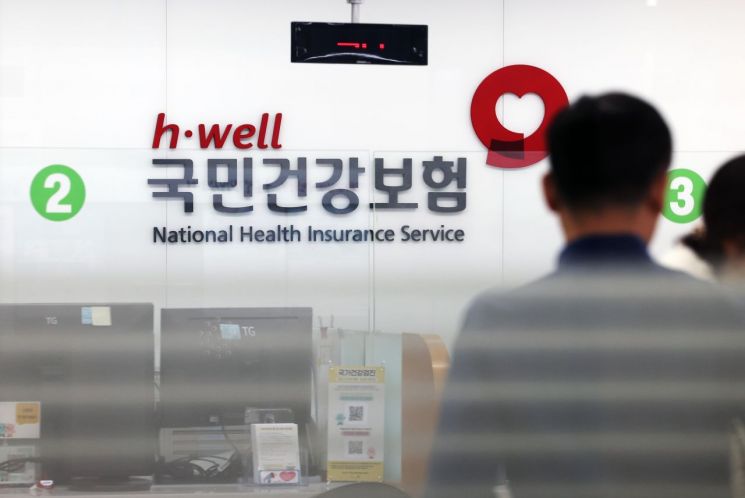
The NHIS announced that it has completed negotiations with seven health and medical organizations for the 2025 medical care benefit cost contract and that the Financial Management Committee reviewed and approved it on the 1st.
The average fee increase rate for next year is 1.96%, which is 0.02 percentage points lower than last year. Recent increase rates were 2.29% in 2020, 1.99% in 2021, 2.09% in 2022, and 1.98% in both 2023 and 2024.
The increase rates by type for next year were decided as follows: dentistry 3.2%, Korean medicine 3.6%, pharmacies 2.8%, midwifery centers 10.0%, and public health institutions 2.7%. The additional NHIS budget required due to this fee increase is 1.2708 trillion KRW. The fee increase rate will be finalized by the Health Insurance Policy Deliberation Committee (HIPDC) by the 30th of this month and then officially announced by the Minister of Health and Welfare by the end of the year.
Negotiations between the Korea Medical Association (KMA), representing clinics, and the Korea Hospital Association, representing hospitals, broke down as they failed to reach an agreement on the differential conversion factor. The NHIS proposed increase rates of 1.9% and 1.6% to these organizations, respectively.
After the negotiation breakdown, Anna Choi, the KMA's General Secretary, said, "The negotiations collapsed because the NHIS maintained its intention to apply differential conversion factors by service type, which we had strongly demanded to withdraw from the beginning, making further negotiations meaningless."
The differential application of the conversion factor by service type means raising the 'conversion factor'?which is currently multiplied by the fee per service?only for undervalued medical services such as essential care. Currently, the conversion factor has been uniformly increased regardless of service type.
The fees for clinics and hospitals whose negotiations broke down will also be decided by the HIPDC. On this day, the Financial Management Committee recommended to the HIPDC that the increase rates proposed by the NHIS not be exceeded. The committee also advised that when setting next year's medical care benefit costs, a significant portion of the conversion factor increase budget be used to expand essential medical services by adjusting service types with low cost compensation, such as surgeries and treatments.
As the financial burden increases due to the fee hike, health insurance premiums may also rise. Since the NHIS pays medical providers with premiums collected from subscribers, the outcome of fee negotiations affects the level of premium increases. This year's health insurance premium rate was 7.09%, the same as last year.
© The Asia Business Daily(www.asiae.co.kr). All rights reserved.

















