Pain-free injection showed effect in reducing risk of complications
Effective for mothers with medical and obstetric conditions
An unexpected positive effect has been discovered in the use of 'pain-free injection (epidural anesthesia)' used to reduce pain during childbirth. A study revealed that mothers who received the pain-free injection had a significantly lower risk of complications compared to those who did not.
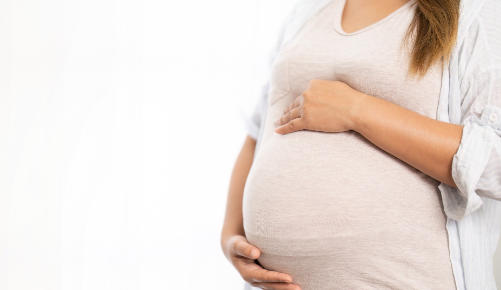
On the 22nd, major foreign media including the Daily Mail reported that researchers from the University of Glasgow and the University of Bristol in the UK announced results showing that receiving an epidural during childbirth reduces the risk of sepsis and heart disease by about 25%. The pain-free injection is an epidural anesthesia that alleviates maternal pain during delivery by injecting anesthetic into the epidural space to block nerves in the sacral area. The effect begins about 30 minutes later and lasts for about 1 to 2 hours, leading mothers to often call it a 'pain-free paradise.'
The researchers conducted a study on 567,216 women who gave birth naturally or by cesarean section at a hospital in Scotland from 2007 to 2019. Among them, 125,024 mothers received the epidural during delivery, and those who received it had a lower likelihood of developing diseases such as sepsis and heart attacks. The study also found that for mothers at risk of premature birth or with medical or obstetric conditions, receiving the epidural brought greater benefits than not receiving it.
In fact, maternal deaths after childbirth are not uncommon in the UK. According to a study released earlier this year by the University of Oxford, the rate of women dying during childbirth has remained the same as 20 years ago, with about 293 mothers dying during pregnancy or within six weeks after delivery from 2020 to the present. The proportion of mothers suffering from severe complications during or within six weeks after childbirth nearly doubled from 2009 to 2018.
Meanwhile, in Korea, pain-free childbirth is performed at a rate of about 60%. In the United States, it is performed at a rate of 60 to 90%, while in Japan, where labor pain is often considered sacred, it is rarely performed (around 10%).
© The Asia Business Daily(www.asiae.co.kr). All rights reserved.
![From Hostess to Organ Seller to High Society... The Grotesque Scam of a "Human Counterfeit" Shaking the Korean Psyche [Slate]](https://cwcontent.asiae.co.kr/asiaresize/183/2026021902243444107_1771435474.jpg)
















