Korea, Japan, Hong Kong Focus on 'Hikikomori'
Spreading to the US, Spain, France
US-based CNN highlighted the 'hikikomori' youth in South Korea, Japan, and Hong Kong who live emotionally isolated lives, cut off from social relationships, in foreign media. The causes were analyzed as a social atmosphere that only values academic achievement, economic problems such as unemployment, the perfectionism of the millennial generation, and small family units.
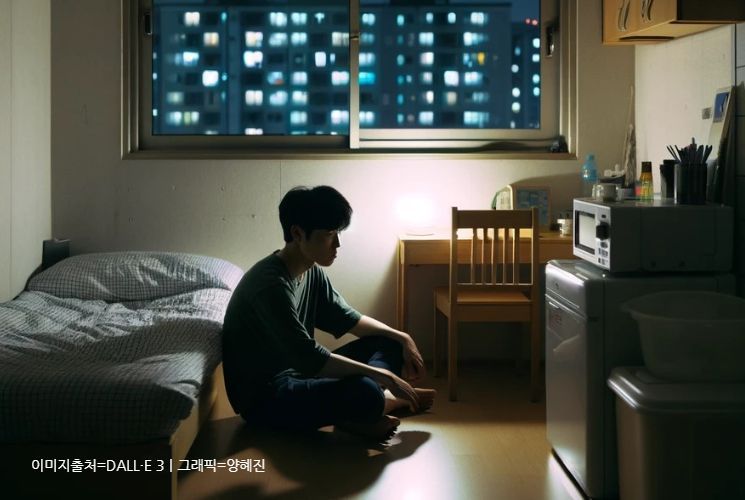
On the 25th (local time), CNN focused on 'reclusive youth' under the title "A shrinking life: Why some Asian youth withdraw from the world." It introduced hikikomori as a Japanese term referring to people who have been socially withdrawn for months or years, noting that the exact number of hikikomori worldwide is unclear.
Quoting analysis data from the Korea Institute for Health and Social Affairs, it reported that as of 2022, 2.4% of the population aged 19 to 32 in South Korea are identified as reclusive loners, amounting to about 244,000 people. Professor Jiwon Heo of Korea University’s Department of Psychology cited the 'perfectionistic worries' of the MZ generation (born between the 1980s and early 2000s) as a reason for the increase in reclusive youth. They are sensitive to criticism, excessively self-critical, fear failure, and although they try new things, they become very discouraged and anxious if they do not achieve the desired results.
Japan appears to have more reclusive loners than South Korea. According to a recent Japanese government survey, CNN reported that the number of reclusive loners called 'hikikomori' reaches 1.5 million. Japanese hikikomori are believed to be due to widespread economic issues such as rising living costs and stagnant wages. Associate Professor Deppei Sekimizu of Meiji Gakuin University told CNN, "In Japan, many become hikikomori after losing their jobs or struggling to support their families."
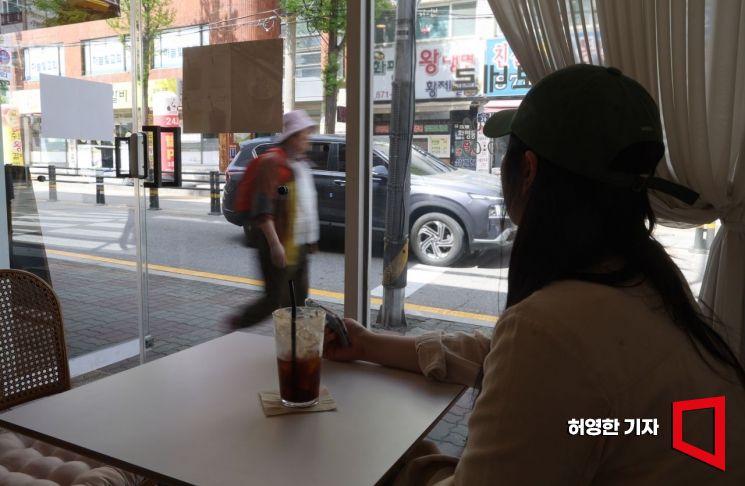
CNN also estimated that there could be up to 50,000 reclusive loners in Hong Kong. Associate Professor Paul Wong of the University of Hong Kong said that most of them are middle or high school students, but the problem also appears among early teenagers.
Recent studies suggest that while hikikomori tendencies existed before, the internet and COVID-19 have increased their numbers. CNN explained, citing experts, that although the hikikomori phenomenon first appeared in Asia, similar issues are emerging in countries such as the US, Spain, and France. Researchers at Yale University believe that the rise of the internet and the decrease in face-to-face interactions may be driving the global spread of hikikomori. Another study also suggested that COVID-19, which encouraged people to stay indoors as much as possible, has led to more recluses.
CNN stated, "Governments and organizations across Asia are working to help reclusive loners reintegrate into society," adding, "This challenge is becoming more urgent as many countries face difficulties such as aging populations, labor shortages, declining birth rates, and youth problems."
© The Asia Business Daily(www.asiae.co.kr). All rights reserved.
![Clutching a Stolen Dior Bag, Saying "I Hate Being Poor but Real"... The Grotesque Con of a "Human Knockoff" [Slate]](https://cwcontent.asiae.co.kr/asiaresize/183/2026021902243444107_1771435474.jpg)

















